

By thus combining the performance of techniques, the cleansing of the chakras, the accumulation of prana, the use of Ayurvedic preparations, the practice of pranayama and asanas, and the accumulation of life force, you can truly feel that your energy can be different, that you have completely transformed your body from an ordinary human, limited body into what is called yoga-deha—a yogic body.
There are four levels of bodies. The ordinary human body has many limitations, often falls ill, and does not live very long. Therefore, it is reasonable to transform it into something better. Into what? Into a yogic body (yoga-deha).
How does a yogic body differ from a human body? In a yogic body, all the chakras function well, provided there are no obstacles and you practice correctly. In it, the ida, pingala, and sushumna channels are open; the wind circulates freely and rises through the central channel, reaching the sahasrara chakra, saturating the brain and causing the nectar of immortality. In a yogic body, all the chakras are purified, there are no strong desires, and there are no leaks of energy. Such a body is very stable; it is not subject to obstacles or disease, lives long, and it is always easy to dwell in it.
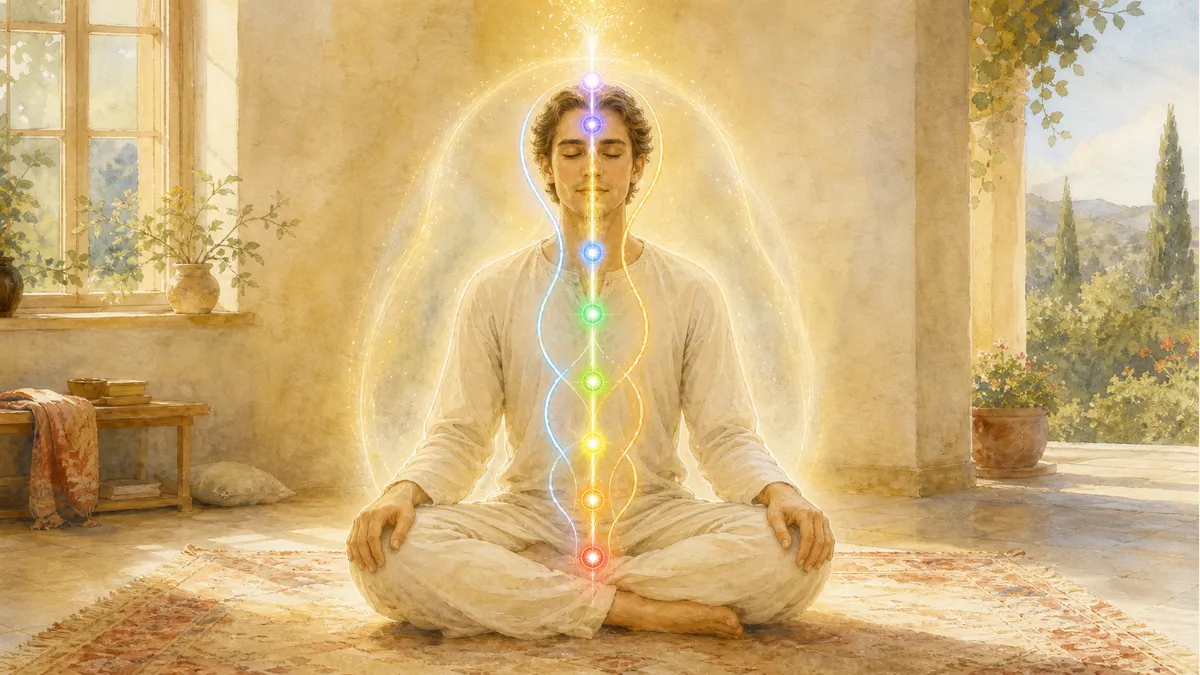
Sometimes we wake up and feel such heaviness in the head that we think, “Yes, it would be better to sleep some more.” This is an example of how not the yogic body acts, but the human one. Everyone knows this state. The yogic body, however, is filled with life force. In it, a person, even when sleeping, is aware of himself; the kundalini energy moves very strongly from the muladhara chakra through the central channel. In the yogic body, the brain is constantly saturated with life energy, so when a person wakes up, he gets up very easily; he has no tamas. This is at least what we can realize.
The next stage after the yogic body is the siddha body (siddha-deha). This is an even higher level. This body is not only purified and filled with much life force, but it is of such a high level that a great deal of prana gathers in its central channel. And where the chakras are located, instead of being limiting knots, five wisdoms open up at the places of the chakras—that is, five subtle spiritual spaces that bestow supernatural abilities and creative powers.
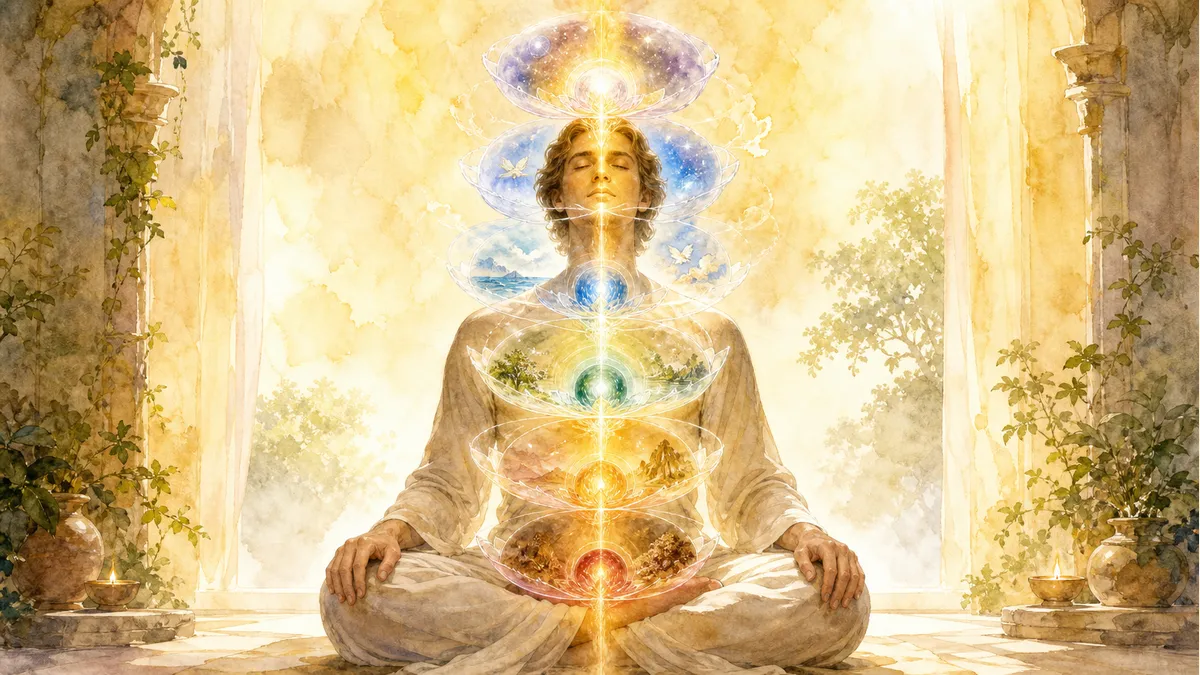
The siddha body is distinguished by the fact that the elements composing it are not material; they consist of subtle energy, and therefore this body is no longer physical but illusory. It consists of subtle air, of prana, although it may feel real and can be touched. Unlike the human body, it can dissolve and then assemble again. You can learn more about this in the description of Ramalinga Swamigal.
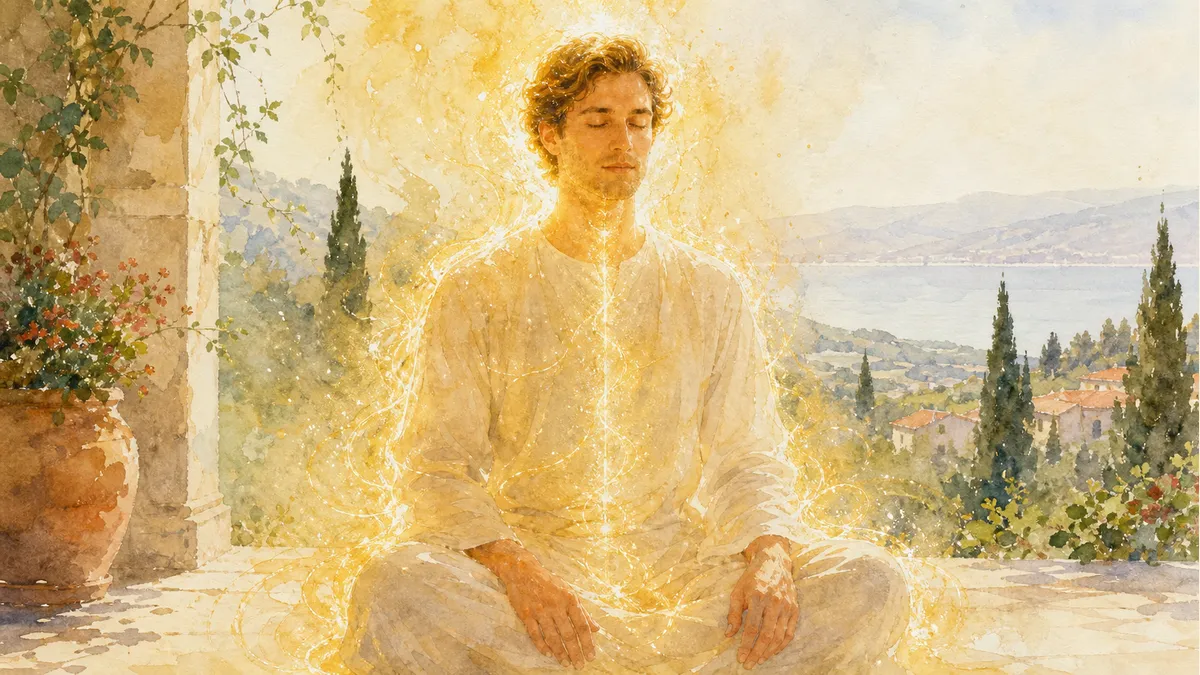
The fourth type of body, which is very rarely attainable but does exist, is divya-deha, or the body of a deity. This is not even really a body anymore, but a concentration of pure light that assumes an illusory form. Such a body can be in different places, travel to the worlds of the gods, and be subject neither to death nor to time.
The Path of Transformation and the Importance of Treating Energy with Care
In the process of spiritual practice, if we speak on the bodily level, we move toward transforming the human body into a yogic body, the yogic body into a siddha body, and finally the siddha body into the body of a deity. But one who does not care for his body, does not purify it, and treats it negligently is like a person who has lost his memory and does not know what he himself is doing. He simply wastes his life force, and when all the life force has been wasted, he will have to be reborn in order to receive another body.
Saint Siddha Gorakshanath said that in a single night one can shorten one’s lifespan by twelve years; that is, through some careless action, very large leaks of energy can occur. Therefore, a yogin lives very carefully. He does not allow strong desires, does not allow leaks, always knows his sense of measure, and goes through life contacting and interacting with energies very carefully. Thanks to this, the balance of his energies is always positive. Instead of wasting his energy, he gradually accumulates it. And he accumulates it until there is a certain surplus. Achieving such a surplus is the initial task in the spiritual practice of yoga.
