

Realization of Subtle Enlightened Bodies in Spiritual Alchemy
What does the realization of subtle enlightened bodies mean in our teaching? Usually we say that the fruit of the teaching is the realization of the three bodies. When we speak about this in general, it appears to us as something still unclear. But if you understand the logic of alchemical transmutation on the path of yoga, it becomes quite understandable.
From the Gross Body to the Yogic Body
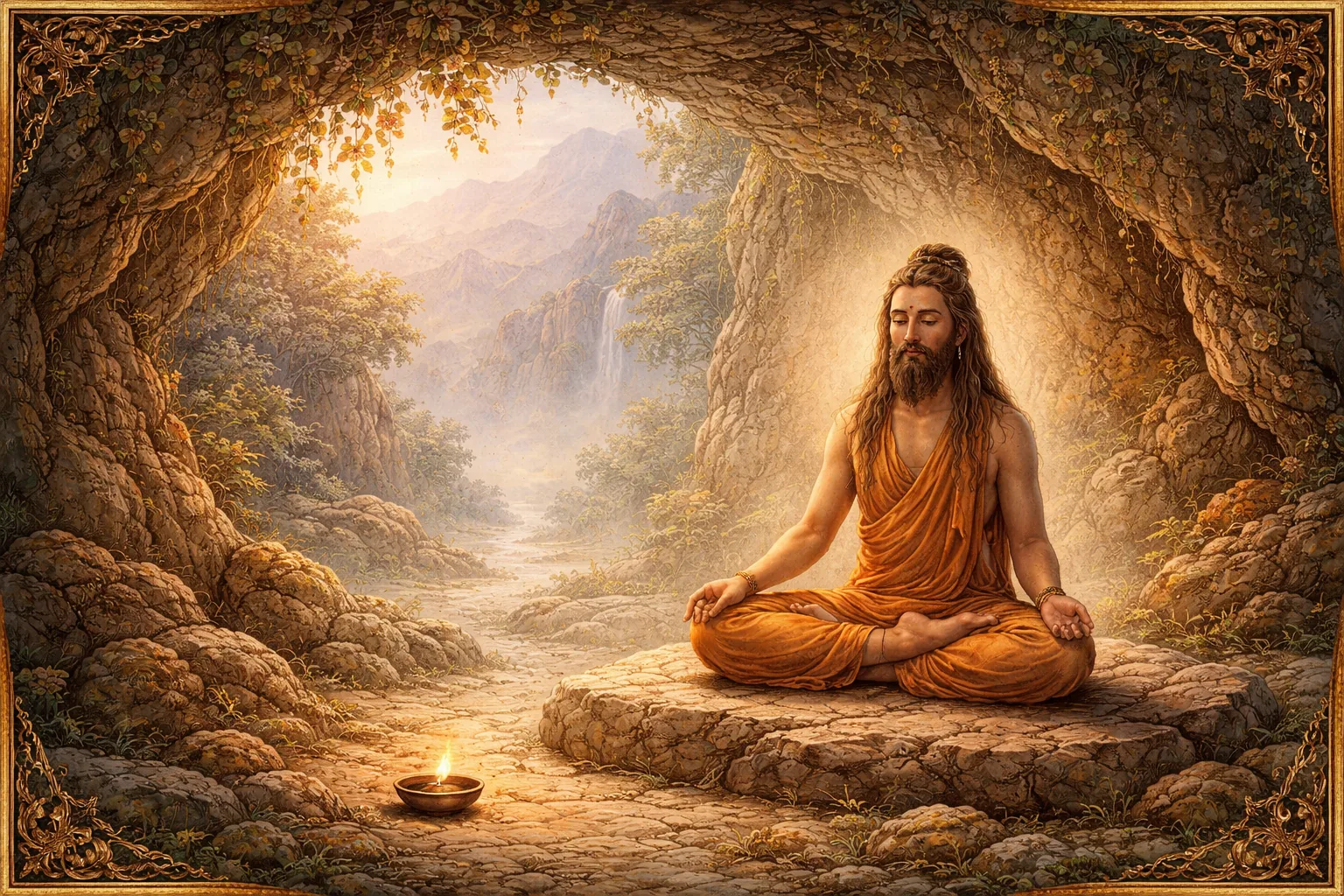
At first we possess a gross physical body of flesh and blood, the so-called sthula-deha, or anna-maya, that is, the gross body. The term “anna-maya” consists of two words, “anna” and “maya”; “anna” means “food,” and “maya” means “illusion.” That is, another meaning of this term is “sheath,” that which covers. In other words, the physical body is the food sheath. The gross physical body of flesh and blood (sthula-deha) is what we have now. On the path of spiritual alchemy, we try to transform the sthula-deha into the yoga-deha, that is, to transform the gross, impure karmic body into a purer yogic body.
What is the yoga-deha? It is an already purified body in which the winds function correctly, in which the chakras are open and kundalini is awakened, which is light and does not experience tamas, illnesses, or any severe suffering. This is what a good practitioner realizes within a period of six to ten years of practice; he, as it were, tames the energy of his body, replacing karmic winds with the pranas of wisdom.
When you have the yoga-deha, you feel quite comfortable in the physical body, you have increased immunity, you always have high energy, a good appetite, you are joyful, and you have few worldly desires. You wake up very easily, as if you had hardly slept at all; that is, it is as though you had been lying down and pondering something, you had visions, while the body rested, and you get up without tamas. Neither desires nor illnesses trouble you, because your prana circulates harmoniously.
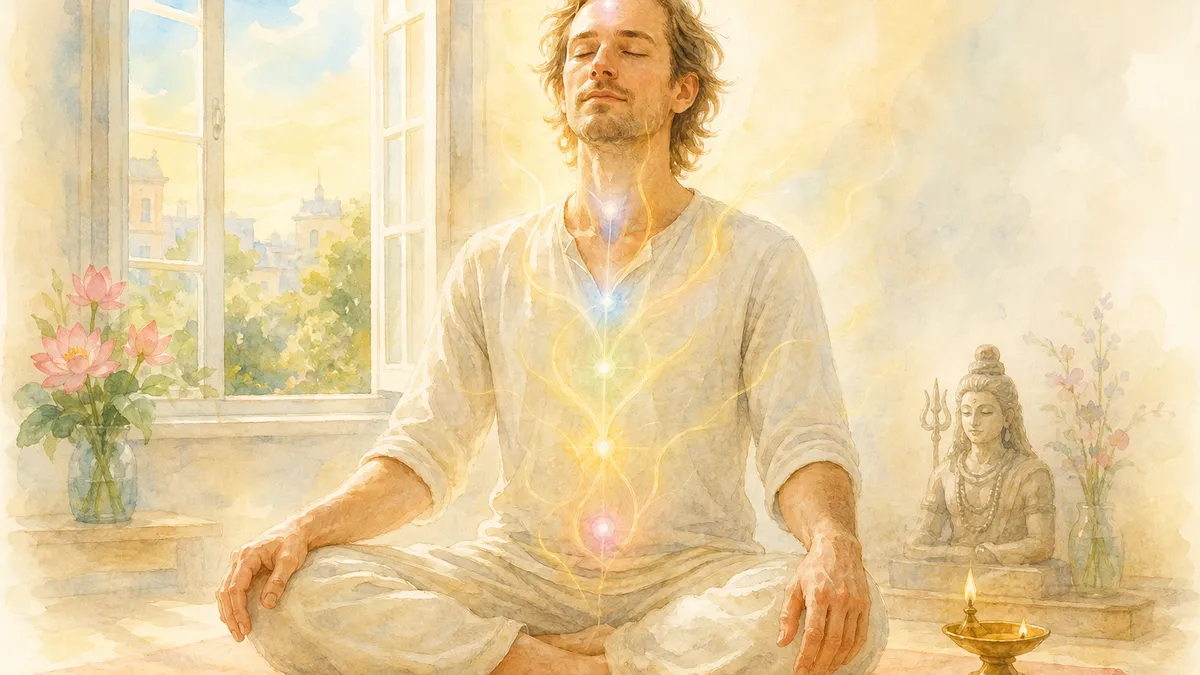
And the first attainment that a yogi realizes on the physical level is precisely the yoga-deha, that is, the normal body of a yogi, favorable for practice. But even realizing the yoga-deha is not so simple, because when we begin to work with the channels and winds, the so-called “time of pain” begins—this is what the initial period of four to six years is called in the teaching of kundalini yoga, when all the karmas accumulated over many past lives, which had previously lain dormant in our chakras, come to the surface. That is, during this time the yogi sometimes feels an imbalance of pranas, sometimes an excessive influence of the lunar or solar channels, sometimes a forced cleansing of the channels occurs or some karmas in the chakras become aggravated. But when he passes through the “time of pain,” he attains the yoga-deha.
For example, if you have the yoga-deha, you feel the prana of others. Simply by sitting next to a person, you can sense the activity of his chakras or feel that one or another prana is activated in him. Sometimes, while communicating with lay practitioners, I feel an ascending wind in the area of the head and an unpleasant movement; then I say: “Your udana-vayu is activated more than necessary. You obviously have a feverish intellect.” They usually answer: “Yes, that is exactly so.” That is, the yoga-deha is sufficiently sensitive if your nadis are purified.
Siddha-deha — the Perfect Body
Next, we transform the yoga-deha into the siddha-deha. That is, the yoga-deha is possessed by a good monk who successfully works with shat-chakra yoga, with kundalini yoga, with various physical techniques and, of course, with contemplation. To think that one can realize the yoga-deha or balance the elements without contemplation is, of course, incorrect. Even if you do asanas, pranayamas, and concentrate on the chakras, but your mind is not balanced and you do not have self-liberation, your elements still will not be able to be perfectly balanced, because the basis of all the elements is the nature of Mind, the natural state. The natural state itself is the best balance of energy, the best healer and harmonizer. It is another matter that at the beginning we are not powerful enough in our contemplation to harmonize everything by contemplation alone.
So, the next body that the yogin attains is the siddha-deha. The siddha-deha is what has already been brought to perfection in the physical body. It is described in books. For example, in the siddha-deha, nectar drips and saturates the chakras, as a result of which the yogin experiences different kinds of bliss in the body. These blisses are perceived as light in the chakras, unfold into various spaces, and bestow various kinds of wisdom. In the siddha-deha, kundalini is awakened and rises through the sushumna. By concentrating on the sahasrara chakra, one can leave the body. In the siddha-deha, the yogin experiences many astral exits. In the siddha-deha, there are no worldly desires as such in themselves, since they are immediately drawn into the central channel.
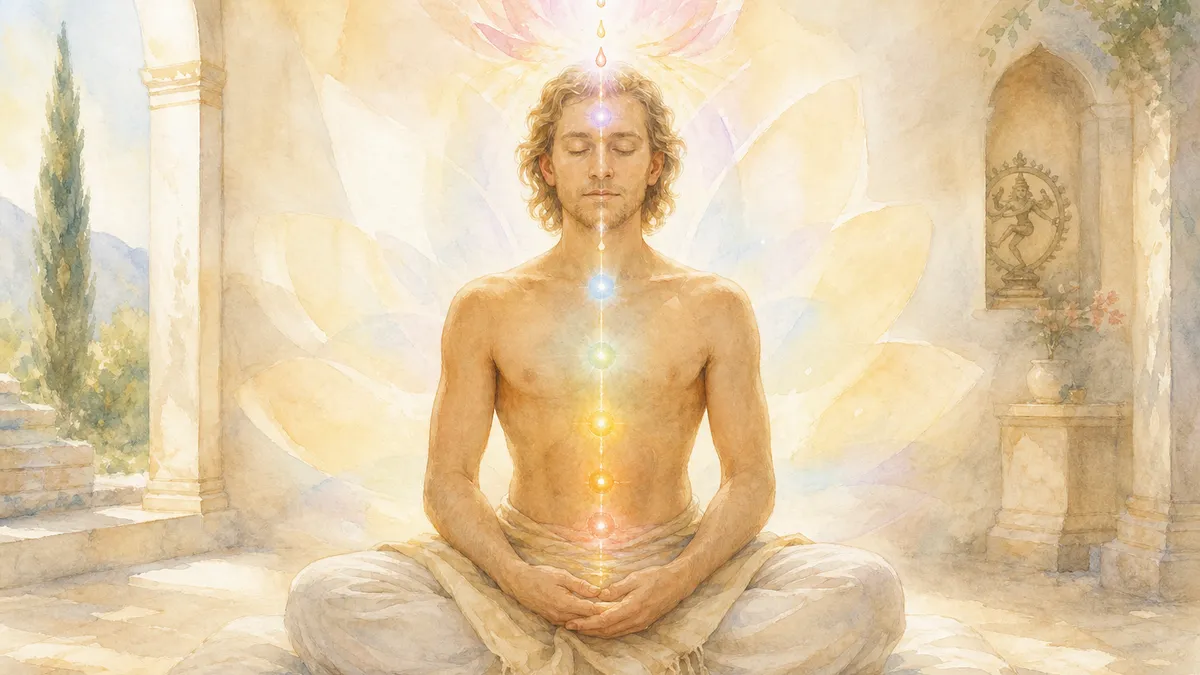
Simply by touching something in the siddha-deha, the yogin can read information from any object; that is, images associated with that object arise in him, and his subtle body reads the informational layer on any object. The siddha-deha is a body possessing a different dimensionality; one could say that it is not three-dimensional, but more multidimensional. In such a body, the yogin hears the sounds of nada, has various visions, and feels liquid fire moving through his channels.
Realizing the siddha-deha is not simple. One could say that it is already a body that is not subject to diseases or imbalances at all and becomes immortal. Many siddhas who practiced alchemy, such as Boganathar or Tirumular, transformed their physical body precisely into the siddha-deha.
There are ways to transform one’s body into the siddha-deha if, for example, you practice yoga and combine it with alchemy, that is, take Ayurvedic tablets and special preparations, which is, in fact, what Nagarjuna, Boganathar, and Charpatinath did. However, traditionally it is believed that preparing such substances is not easy, since they are connected with spirits and divine beings.
Higher Bodies: From Pranava to the Divine
What is the next body? The next body is the body of pranava, consisting of vibration. One could say that this is an illusory, psychic, subtle body that the yogin realizes through his awareness or visualization. Even if he has not realized the siddha-deha, but has realized the pranava-deha, he can live fully in it in the subtle worlds.
For example, if you have awareness in the subtle body in a dream, your subtle body in the dream is transformed into a divine one, and in it you contemplate the clear light, this may serve as an example of the principle of pranava-deha. Because the pranava-deha is always connected with the divine illusory body, consisting of the subtlest prana (vyana-vayu), and is necessarily joined with the principle of clear light.
Finally, the next body is the jnana-deha. The jnana-deha is the principle of emptiness and light. When, in the meditation of completion or in the meditation of mahasanti, you experience an ocean of light, and this ocean of light is recognized and identified as your own essence, and consciousness fully identifies with it, perceiving it in complete nonduality, this can be called the state of jnana-deha. And if this body is not lost in everyday life or at night, then one can say that the yogin has realized the immortal body of wisdom. For example, in the Zen tradition they do nothing else, only meditation on the body of wisdom.
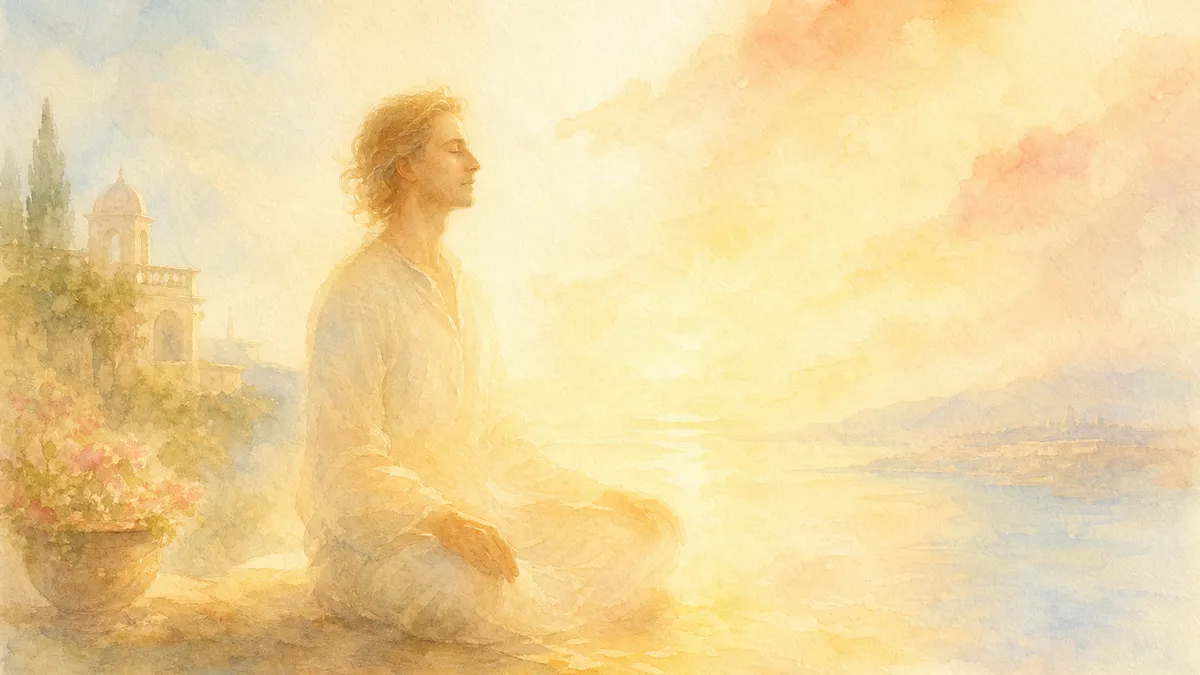
Finally, there exists the last and highest body, called the divya-deha. One could say that the divya-deha is approximately the level realized by Saint Ramalinga, when it is said of him: “He entered into all bodies and his creations.” This is the body of God. Properly speaking, it is not some local body; it is abiding simultaneously everywhere and in everything; it is complete union with the state of the Absolute.
The body of light that we speak of is, in our terminology, the pranava-deha. However, realization is, of course, not exhausted by the body of light. One could say that the realization of the body of light is simply a certain level of attainment on the path of spiritual practice. In the state of divya-deha (that is, in the realization of the final body), the yogin can emanate from himself as many illusory bodies as he wishes. He can manifest himself in the form of a deity, a human being, or an animal. In fact, in the divya-deha he is limited by nothing. He follows the path, spontaneously responding to various events and things, and any metamorphoses that are possible occur with him.
The Principle of Spiritual Transmutation
This is roughly how spiritual alchemy takes place on the path of the siddhas. To become immortal means to acquire at least one of these bodies. And as practice progresses, you acquire ever greater awareness and other subtle bodies.
For example, I can say with certainty that I have realized yoga-deha. This is not difficult at all to determine. I cannot say that my body is not made of flesh and blood, but of light. It is still made of flesh and blood, so my path in this regard continues. But I can say with certainty that I know what jnana-deha is: the immortal body of wisdom and emptiness.
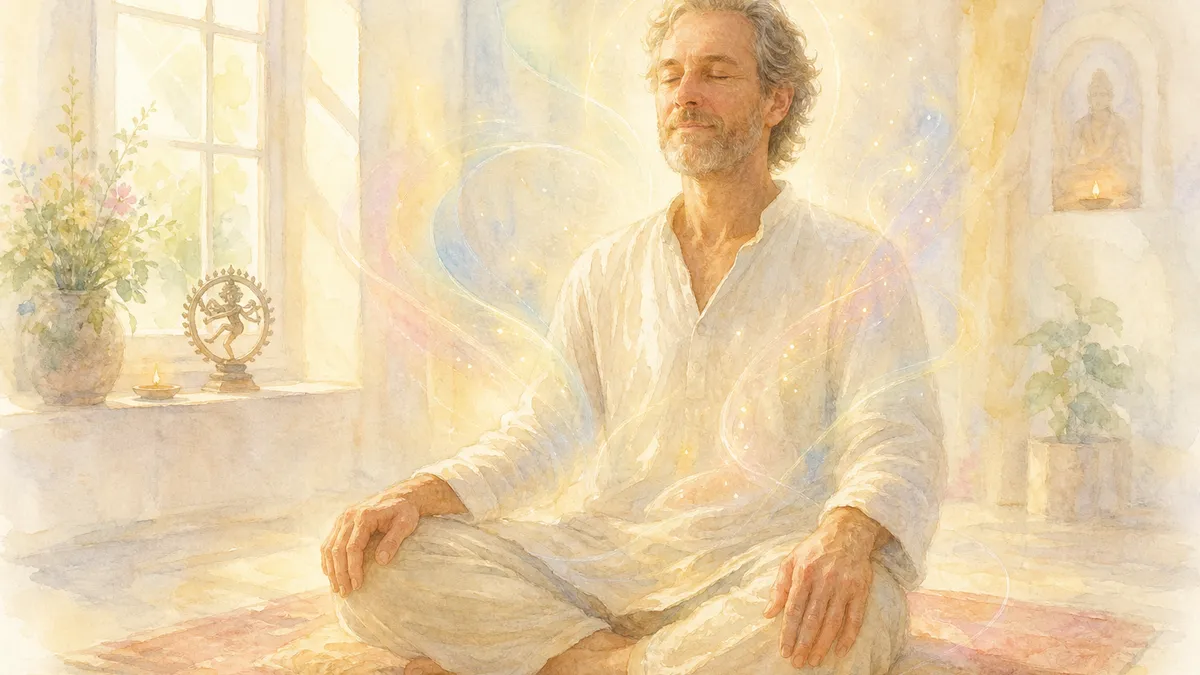
Whatever practice you engage in, transmutation on the physical level takes place as follows: you acquire consciousness in new dimensions, and gradually this consciousness becomes your own body.
