

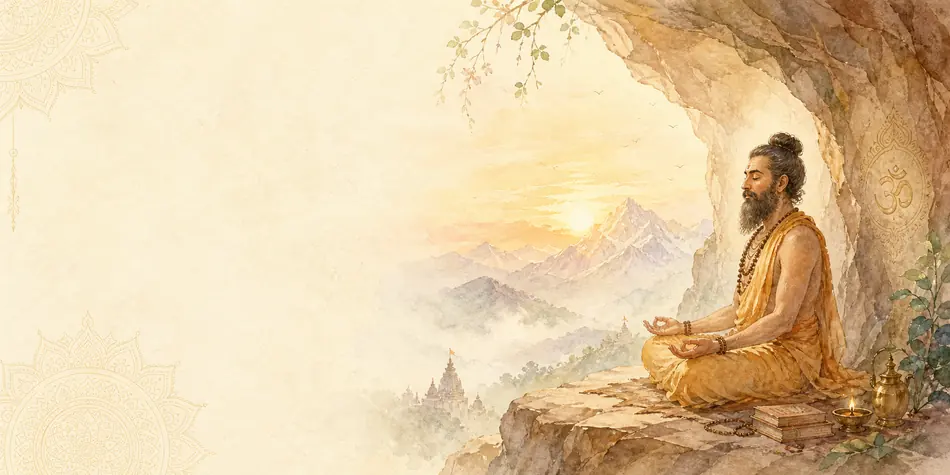
Before we begin our seminar, let us talk about the spiritual tradition we represent and about the system of practice in general.
When we explain the teaching of laya yoga, of anuttara tantra, to others, it is not explained in the style of charismatic preachers. That is, we are not trying to convince anyone or win anyone over to our side. We say: there is a tradition, there is a teaching, and we are practitioners. If you have a karmic connection with the teaching of this tradition, then you will feel that you can practice in this tradition.
The spiritual current we represent belongs to Indian Tantrism. The phenomenon of Tantrism began to be widely studied by Western researchers only in the middle and at the end of the twentieth century.
The teaching of Tantrism is considered the primordial religion of all humanity and goes back to pre-Vedic and pre-pagan practices and beliefs; therefore, in one form or another, it is present everywhere, from Siberian shamans, North or South American Indians, to Indian or Buddhist tantra.
The section of the teaching that we represent is Anuttara Tantra. “Anuttara” is translated as “highest,” and “tantra” as “continuity.” Another translation says that it is a method that allows one to attain liberation. What does the term “tantra” indicate? It indicates that within us there is a certain wholeness, a certain continuity of consciousness, around which all the grosser parts of our being revolve. This continuity or wholeness of consciousness is called God by other religions, but in yoga, in Anuttara Tantra, it is called the Self, primordial awareness, prajñāna, Atman.
The teaching of Tantra, and of Anuttara Tantra in particular, is based on the philosophy of Advaita. Unlike dualistic religions such as Christianity and others, the teaching of Tantra and Buddhism are nondual teachings. They say that the Absolute, the Universe, the supreme Consciousness is not something external to us, but is, in essence, we ourselves. It is our boundless potential, which we have not yet revealed because we have lost our connection with it. When we establish a connection with this boundless potential and open it, we discover that we are completely identical with absolute Consciousness. Therefore, the main statement of Advaita Vedanta is: “I am Brahman,” “I am the Absolute,” “I am supreme Being, Consciousness, Bliss.”
Sahajayana — the vehicle of the natural path
The style of the teaching is Sahajayana. Sahajayana is present in Hindu and Buddhist Tantrism. Sahajayana is a special approach to practice inherent in the immortal holy miracle-workers of India. Some of these immortal saints belonged to the Hindu tradition, some to Buddhist tantra; nevertheless, they were distinguished by this single style. “Sahajayana” means “the vehicle of the natural path.” The natural path is abiding in the natural state, when the yogin is oriented first and foremost not toward some external forms of behavior and religious purification, not toward practice, dogmatics, and conceptual knowledge, but builds the path of naturalness upon awareness. In essence, everything comes down to awareness.
And when a yogin practices the path of awareness, he lives in harmony with the Universe. He does not have some definite principled scheme of behavior, theological dogmatics, or philosophical structure. More precisely, he does have them, but they do not concern him in the same way as they concern representatives of other currents. That is, he first and foremost bases his sadhana and yogic life on awareness. Proceeding from inner awareness, he lives by spontaneously responding to all events and processes in the universe. Perhaps for many, “awareness” is an unclear term.
What is awareness? The saints say that awareness within us is the Absolute itself, God. Because we have lost connection with our awareness and live unconsciously, we are not in harmony with the Universe, but in duality, which always presupposes subject-object relations and conflict.
How is this conflict expressed? For example, it is expressed in suffering, in being subject to the law of cause and effect (karma), aging, dying, and new rebirths. Such things exist; that is, we cannot deny that we age, fall ill, die, and are reborn. And no one likes these things. But this happens because we are in a conflictual relationship with the Universe, and conflictual relationships arise as a result of our unconsciousness.
What is unconsciousness? Unconsciousness means that our level of consciousness has shifted to the gross body, that we are not aware of the subtler parts of our “I.”
The structure of the inner knower
In general, the teaching of Advaita says that a person, as the inner knower, consists of several parts. First, there is the nature of the Mind. Brahman, prajñāna, the Absolute are synonyms for the nature of the Mind; this is what is the cherished goal of any yogin. Besides the nature of the Mind, there is that which is lower — the antahkarana. The antahkarana is the inner instrument, which consists of manas, buddhi, chitta, and ahamkara.
Manas is our conceptual mind, which accepts or rejects, for example, “like or dislike,” “want or do not want,” “will go or will not go.” Manas is our lower reason, by which we are guided, using logical operations with thoughts.
Buddhi can be called intuition or the cosmic mind within us. One whose buddhi is developed has creative abilities and developed intuition. He understands what generosity, compassion, love, and devotion are. That is, all higher qualities are developed in him, because the channel of buddhi is open in him. One whose buddhi channel is closed, in principle, does not understand these qualities. He is strongly subject to material states, to the gross physical world.
“Ahamkara,” translated from Sanskrit, means “selfhood” or “false ego.” When we think “I am a separate personality,” “I am something independent in myself,” when we experience a feeling of pride or, conversely, a feeling of guilt, humiliation, when our self-image fluctuates under the influence of external situations — all of this is ahamkara. The sense of our own importance, when we feel very important or, conversely, downtrodden, humiliated, offended — these are functions of ahamkara.
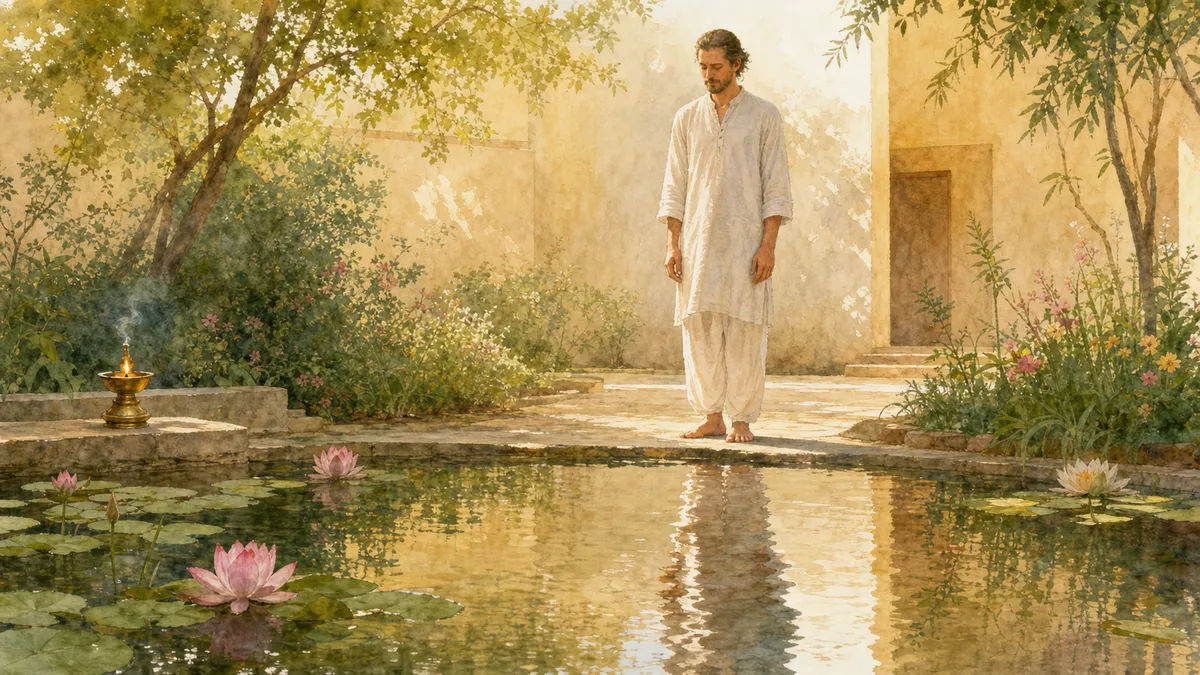
Our consciousness functions in this way. From the Supreme Source of Being, prajñāna, the great light of nonduality is always radiating. It is perceived by buddhi (mahat, the cosmic mind, our inner intuition), that is, by our subtle awareness, our intuitive state. Perceiving this light, buddhi gives commands to manas (the surface mind), based on chitta (past memories). Manas, receiving commands from buddhi and chitta, makes various decisions. And all of this, as a whole, creates ahamkara, that is, the state of perceiving the false “I.”
A person whose buddhi channel is closed loses connection with the Absolute. He thinks, “I am my mind and my body,” and therefore lives in duality, completely subject to the influence of external objects. When a person thinks, “I am me, and others are others,” this is the state of unenlightened consciousness, which is governed by the lower parts of its “I.”
When we engage in spiritual practice and meditation, we purify the buddhi channel in order to enter an even higher state of prajñāna. If we do not purify the buddhi channel, then we deal only with material nature and the lower state.
The style of tantra and sahajayana is such a style in which we constantly try to open the buddhi channel and remain in this state all the time, so as to make a breakthrough to an even higher, superconscious state. Therefore it is said that one who practices laya yoga is always in contemplation. That is, whatever he is doing, he is constantly in a state of contemplative presence.
Ten million times we praise laya yoga. Whether standing, walking, sleeping, or eating — always meditate on the nondual king.
This means that whatever we are doing, we always try to meditate on the great Source of our consciousness. And then it turns out that all aspects of our life are united with the highest Source.
The School of Avadhutas
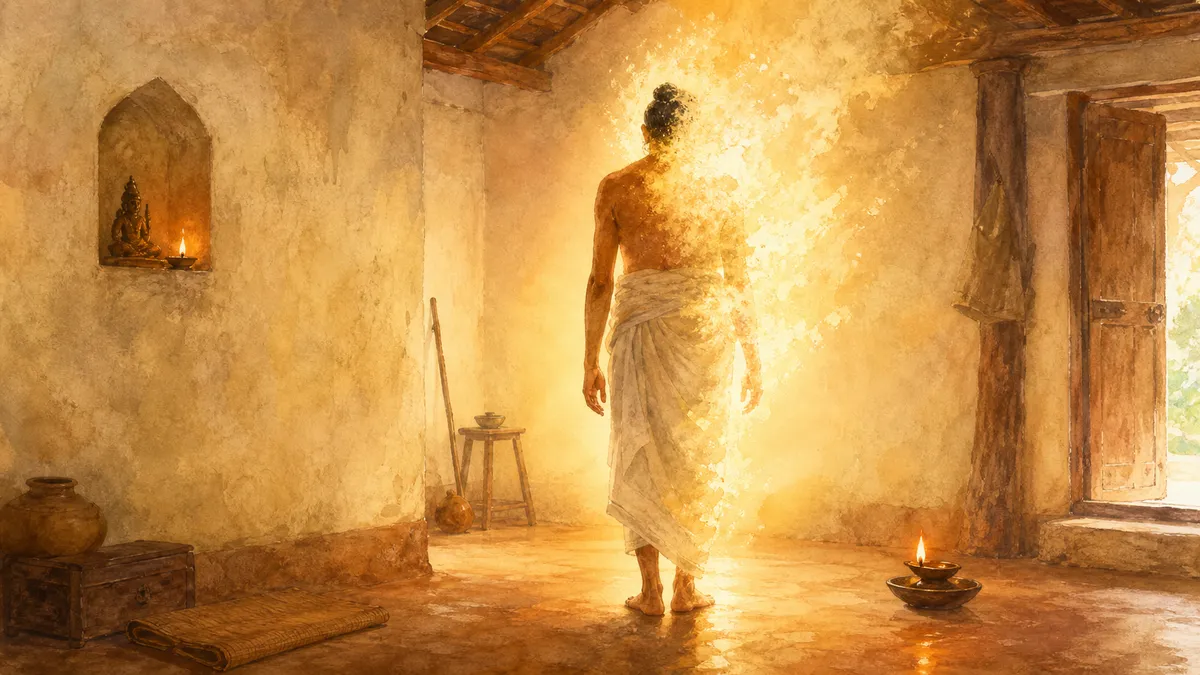
The school of teaching we follow is Laya Yoga in the Avadhuta tradition. Avadhutas are holy madmen, holy immortal miracle-workers of India, who stood above all frameworks and prescriptions and gave great teachings for attaining supreme liberation. In ancient times, Avadhutas attained the highest levels of spiritual development. For example, many of them, when dying, left no physical remains behind, dissolving the body into light. The most recent example of such realization was demonstrated in 1874 by the great saint, Bhagavan Sri Ramalinga Swamigal.
The Five Sections of the Laya Yoga Teaching
Prajna Yantra is the path of contemplation. Prajna Yantra pertains to consciousness; that is, we try to find the inner observing consciousness that is invisibly present at all times, whatever we may be doing. Having found this inner observer, we try to hold it continuously, that is, to be aware. For example, while walking we perform chankramanam — the technique of contemplative walking. When we eat or speak, we try to be aware; for example, we perform atma-vichara. That is, absolutely everything we do is practice, and it belongs to the section of Prajna Yantra.
The second section of the teaching is Shakti Yantra, energy. In addition to consciousness, there is energy within our body, and when we engage in purifying this energy, awaken kundalini, and try to introduce prana into the central channel in order to deepen awareness, all of this constitutes the practices of the Shakti Yantra section.
Shakti Yantra is very extensive and consists of different sections, such as Shat-Chakra Yoga, Kundalini Yoga, and Kriya Yoga.
In essence, these two sections are the most important sections of the teaching. In general, when we step onto the path of practice, we need to train continuously and diligently in order to achieve results and become a master, because simply calling oneself a practitioner, reading books, and reasoning about spirituality is not the path to liberation. If you want to attain enlightenment, you need to train diligently every day. Moreover, you need to train even more than an athlete who wants to break a world record. Therefore, we attach great importance to meditation and the daily practice of Kundalini Yoga, Shat-Chakra Yoga, and others.
The saints say that we must pay much more attention to our spiritual life than we usually do. Usually worldly people devote a great deal of attention to studying at university, worldly work, and sports, but when it comes to spiritual life, lacking a spiritual teacher and proper instructions, they do not pay due attention to spiritual life. But if you want to become masters, professionals, you will have to raise the bar of your life. One should engage in spiritual practice and spiritual training a great deal every day, and then one can expect some results. If, however, we pay little attention to spiritual training, do not nurture our energy, and do not study our mind, then we will not obtain any results and will remain at the level of amateurs. But an amateur approach in matters concerning the meaning of life gives nothing. It is always very important to orient oneself toward the approach of professionals, of masters. And such great masters were the Mahasiddhas, from whom we try to take an example.
The Yoga of Sound (Nada Yoga), the Yoga of Inner Light (Jyoti Yoga), and the Yoga of Dreams are three sections of a higher-level teaching.
Such are the five sections of the Laya Yoga teaching. Therefore, it is considered that to practice Laya Yoga means to practice all these five teachings.
Tattva Vidya
The Yoga of Sound is based on the perception of subtle sound. Sound is the tanmatra of the element of space. If we take the five elements around us (earth, water, fire, wind, and space), these will be the gross five elements that we see. There are also subtle five elements that are found in our body. Tanmatras are the subtle parts of these elements. Nada Yoga and Jyoti Yoga are based on the study of the subtle parts of these elements.
For example, there is the element of earth. Its tanmatra is considered to be smell. If you meditate by concentrating on the Muladhara chakra in the area of the coccyx and on the tip of the nose, you awaken your energy. After some time, you will begin to experience a subtle aroma or smell that is more subtle than the physical one. This is an astral smell. With diligent meditation, you will have such experiences. This is called the tanmatra of the earth element, the astral smell.
If you meditate on the Svadhisthana chakra (the element of water) or on the tip of the tongue, after some time you discover the subtlest taste, inaccessible to ordinary perception. This is the tanmatra of the water element.
If you meditate in a certain way on the element of fire, after some time you begin to see, with inner vision, subtle rainbow spheres, patterns, mandalas, and yantras. This subtle light is inaccessible to ordinary eyes. It is accessible to extrasensory perception, to astral sight. This is a form of the tanmatra of the fire element.
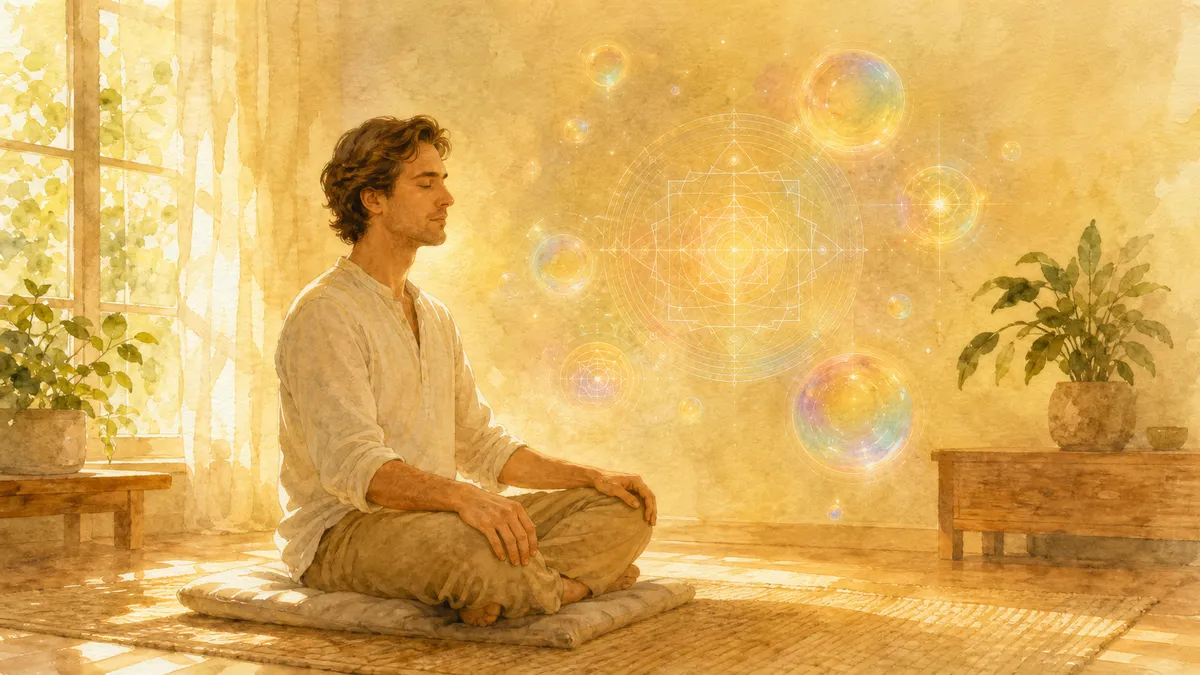
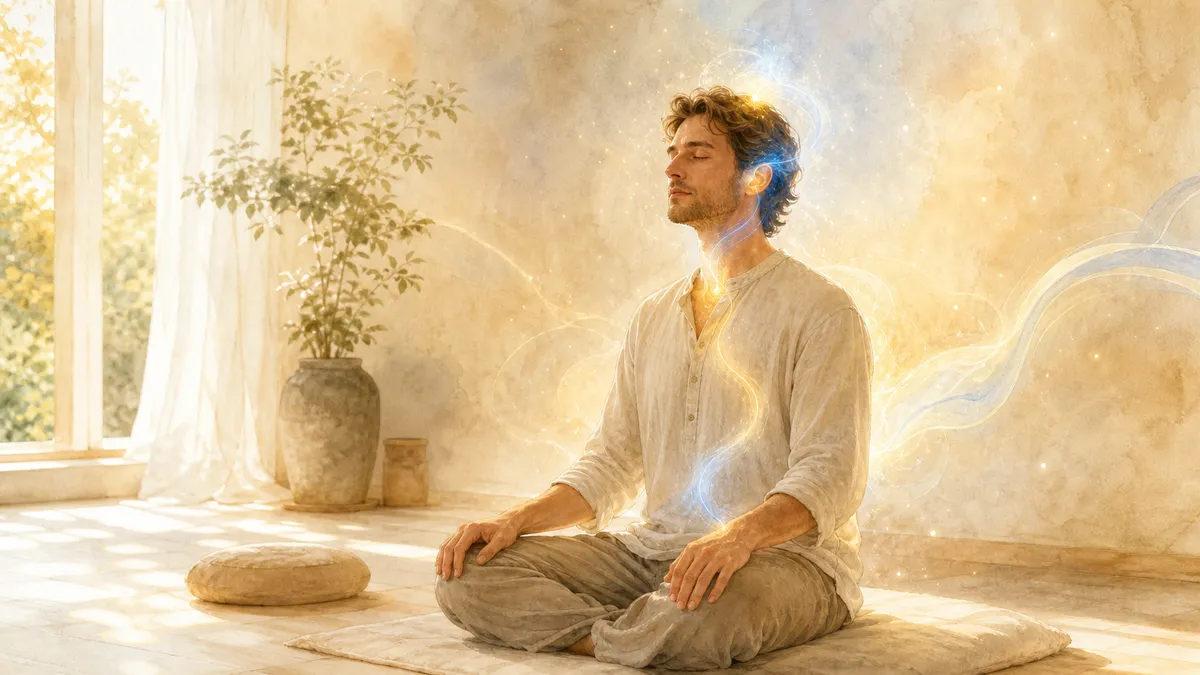
If you listen to inner sounds, plugging your ears and concentrating on the Anahata chakra or the throat, then after some time you begin to hear subtle sounds, subtle fragmentary melodies, humming, and buzzing in the throat, in the right ear, or at the crown of the head, in the spine. These sounds are inaccessible to the ordinary human ear. This is the tanmatra of the element of space, the subtle sound. Therefore, the higher aspects of Laya Yoga are connected with such subtle elements, when we meditate on subtle sound and subtle light. This is what Nada Yoga and Jyoti Yoga consist of.
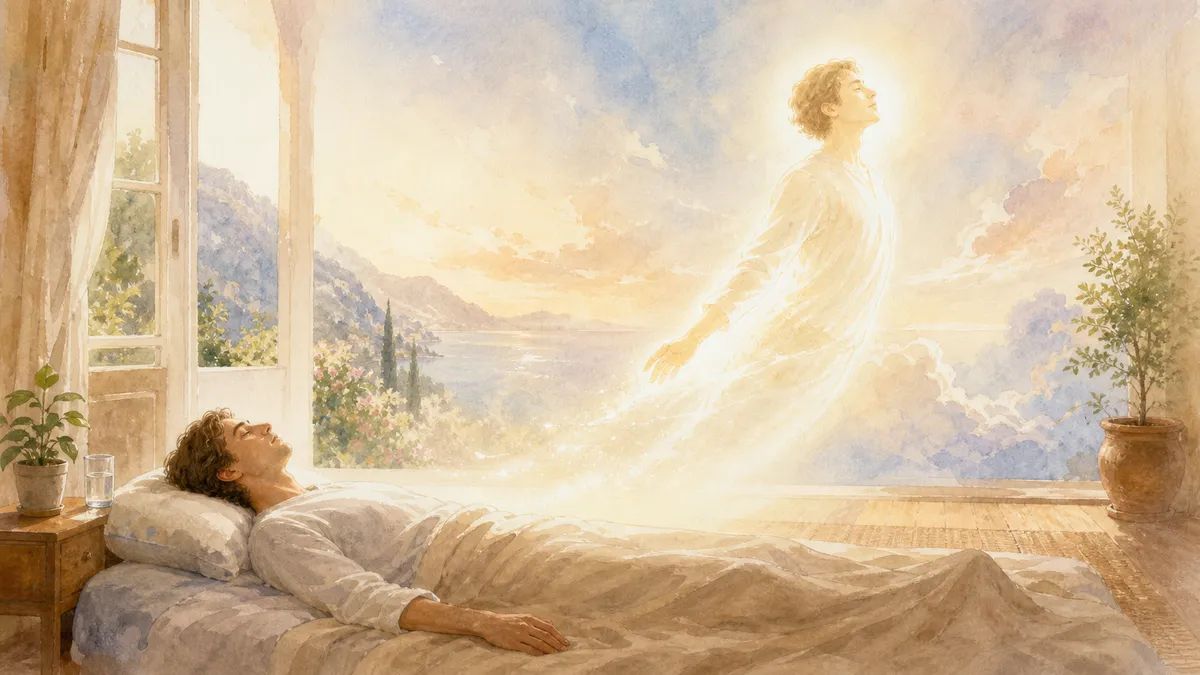
Dream yoga consists in our trying to transfer consciousness into the astral body and to develop our astral body through dreams. When such consciousness in the astral body matures, it gradually becomes independently active. When a yogin works with awareness in the astral body and with emptiness, his astral body becomes saturated with the Clear Light and, after some time, transforms into the maya-deham, or illusory body.
Such are the sections of the teaching of Laya Yoga.
Sahajya — the Natural State
The main concept of the teaching is sahaja, the natural state. From the point of view of the saints, it can be said that we are all not in the natural state. The natural state means that we are connected to and continuously aware of our inner Source, that which is called Brahman, the Absolute, or God in dualistic religions. To be not in the natural state means to forget this Source, to turn away from it, to identify oneself with the physical body, and to create new karmic programs.
It is believed that we will continue to suffer, be born, and die until we realize this universal Source and come into contact with it; that is, this vicious infinity, this closed wheel, the cyclicity of samsara, will continue. In general, all religions say that if you want to become immortal, you must think of God and save your soul, that is, purify yourself in various ways until your spirit is reunited. But in Laya Yoga, in Anuttara Tantra, there is its own principle: we say that we can at any moment, at any second, enter directly into this state. The Supreme Source is the nature of our mind as such; it is that which is not attained through practice, but exists primordially without our efforts. It is a matter of subtle awareness, and if we are aware, we can enter into it right now.
For example, right now your mind is like space. That is, in the depths of your “I” there is a vast space, like the universe. Right now, in your pure Foundation, you possess boundless perfection and purity. One could say that right now you have a very high and divine state. It has always been inherent in you, but because you are inattentive to it, do not listen to it, do not work with it, and do not develop it, it is like an underwater current. When you are inattentive to it, your consciousness slips down to coarser layers—to the level of the conceptual mind, emotions, or feelings. Then you forget this inner greatness, inner infinity, and listen to the voice of superficial intellect and emotions.

Nevertheless, even when your consciousness slips down to the coarse layers, this spatial supreme Source, the deep awareness, is never obscured.
Thus, a saint is one who continuously contemplates within himself this spatial Source, this boundless luminous empty awareness. A saint first and foremost pays attention to this empty and luminous clarity, while he does not pay attention to the mind, feelings, and body to the same extent. For example, if such a saint is insulted, he will not allow anger to arise. Some energy may arise, but it will in no way make him leave the Source of luminous awareness; no emotions will arise in him, and he will remain in a state like space.
If such a saint is offered some material benefits or praised, he will again remain in a state of unity with the Source, and the thoughts and feelings that arise will be like ripples on water—they will immediately disappear. When this happens, it is said that self-liberation of thoughts, emotions, and passions occurs.
The difference between a saint and an ordinary person is that he is well acquainted with the Source and constantly abides in it, constantly self-liberating, that is, his mind is like a self-purifying instrument. The state of a person who does not know about this and is not in contemplation resembles a car windshield with no wipers: when snow, dust, or rain falls on it, it becomes clouded, and then nothing can be seen except dust, snow, or rain.
The Natural State and the Secret Friend on the Path
The natural state is the empty foundation always inherent in us, the matrix of the universe, our primordial “I.” We either recognize it or do not recognize it; we either hold it or lose it. The great task of one who practices Laya Yoga is to deepen and nurture this awareness, to notice distractions and overcome them.
In the teaching there is an important concept called the “secret friend on the path.” The secret friend is our attentiveness and vigilance, which point out our distractions to us and encourage us to return again to awareness of this Source. For example, while walking or when we are doing something, about once a minute we check ourselves, and the secret friend reminds us if we have lost awareness like space, and we return.
The main practice consists in entering this state of unity with the supreme Source of the Universe and never losing it again.

When we enter it, very global things happen to us, but this is only the very beginning. Our entire perception of life changes as if we had been blind before and now have gained sight. We may even think that we have achieved great progress in spiritual life, but of course this is not so. In fact, this is only the very beginning from which genuine spiritual practice begins.
This state can be deepened without limit, and when we deepen it, it begins to affect our prana, our energy. The pranas begin to purify the channels, the winds begin to be drawn through the two side channels into the central channel, and the circulation of energy begins, melting the elements in the chakras. And then the transformation of our vital energy in the body begins to take place, until the elements of the physical body are completely melted, until the physical body at the atomic level is transformed into a rainbow body of light.
Sahaja Samadhi
It is believed that introduction into the natural state can be transmitted by the Teacher, or we ourselves may spontaneously enter it. But in any case, it is very important to receive the appropriate instructions from the Teacher in order to recognize this state and know whether it is correct or incorrect, because we need a foundation by which we orient ourselves in our life. And if we have recognized our natural state, then the next step is to maintain it continuously. One can enter this state through various methods, and then all that remains is to maintain it. When it becomes stabilized, you will strive to maintain it continuously, returning to ordinary life, if you aspire to progress on the path of Laya Yoga.
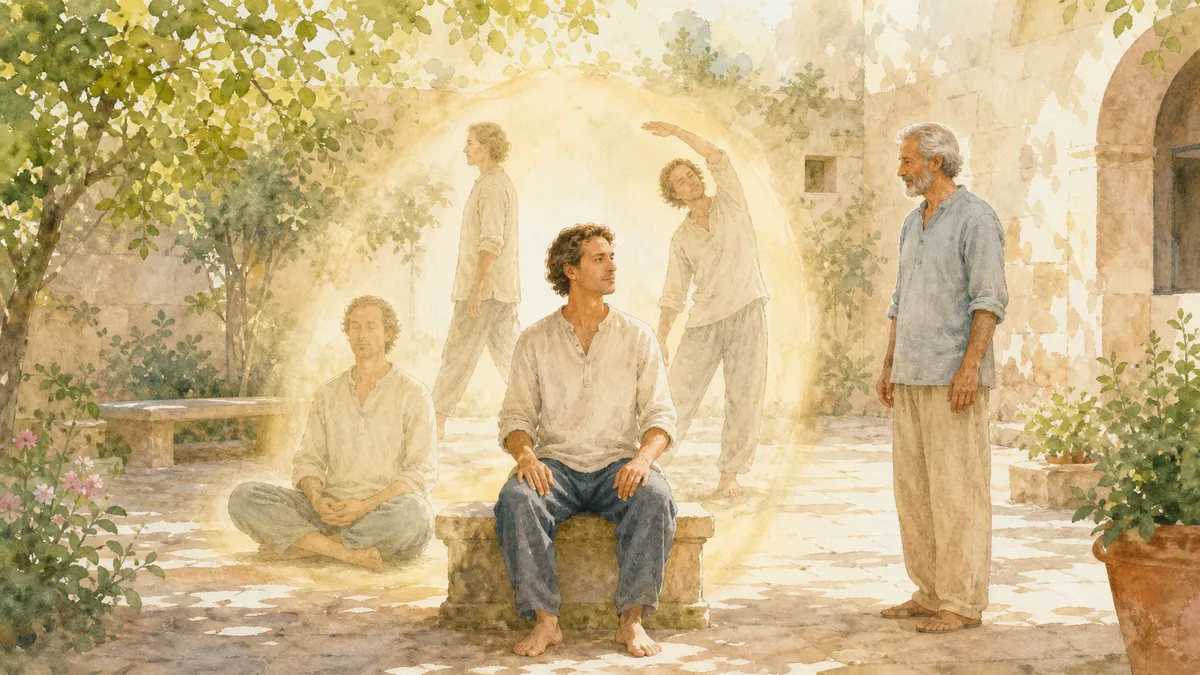
Our usual methods of practice are as follows: sitting meditation, contemplation while walking, and performing technical yoga practices. One third of the time is devoted to meditation, one third to contemplative walking, and one third to technical exercises. In order to become professional masters, it is necessary to perform a great many practices, which is why retreat rules exist in the monastery.
Retreat Practice
Retreats are periods of time when we practice not for an hour or two, but, for example, sixteen hours a day. In this way, we draw closer to the state of the great saints who engaged in very deep and intensive practice.
There is a rule in the monastery:
- every day we perform three meditation sessions (at least 1.5 hours);
- every month we undertake a seven-day retreat, during which we intensively practice contemplation, walking, and various techniques;
- every year we undertake a three-month retreat;
- once every 4–5 years we undertake a year-long retreat, during which we continuously perform sadhana for one year;
- once over the course of twelve years we undertake a three-year retreat.
This is the basic retreat rule for monks. That is, a retreat is a time when we can set aside all affairs and concerns, immersing ourselves completely only in spiritual practice. It is like training camps outside the city for sports teams, when they train intensively before a championship. In the same way, if you wish to truly change yourself and want to realize serious spiritual attainments, you too need to become such a diligently training practitioner.
The teaching of the Mahasiddhas is a very profound system of practice, so we definitely obtain results if we apply it.
Today’s retreat is an attempt to practice in a more intensive mode, that is, in the spirit of the Mahasiddhas, in order to obtain some result, to attain a state of awareness that could be maintained in everyday life.
Types of Samadhi
Any yoga presupposes its own highest state, samadhi. There is nirvikalpa samadhi and savikalpa samadhi. Savikalpa means incomplete samadhi, and with savikalpas, that is, with distinctions. Nirvikalpa means samadhi of the highest level. However, neither one nor the other is the goal of Laya Yoga. The goal of Laya Yoga is sahaja samadhi.
Another name for sahaja samadhi is the samadhi of the flowing river. This means that we do not separate our meditation from everyday life. For example, in nirvikalpa samadhi, the cessation of breathing and heartbeat is considered obligatory. It is believed that if your pulse has not stopped and you cannot enter a superconscious state, then this is not nirvikalpa samadhi. But in sahaja samadhi you can move, talk, eat, drink, walk, work, while your superconscious state does not cease. You can be adequate in this world and spontaneously respond to the entire diversity of energies in the Universe. You are like a flowing river, which has an underwater current and gently rolls its waters. Therefore, this type of samadhi is called the samadhi of the flowing river. It is precisely this samadhi that is very important for a practitioner of Laya Yoga.
Of course, nirvikalpa samadhi is also very important. And one who attains it is also an utterly outstanding, lofty person. However, the saints say that nirvikalpa is not enough. Nirvikalpa is good only in retreat, when you meditate for a long time free from all concerns, when your mind sees and hears nothing. But when a yogin who is perfected in nirvikalpa samadhi begins to speak, walk, or eat, he becomes an ordinary person, because he has not mastered sahaja samadhi.
When you master sahaja samadhi, however, this type of samadhi is brought into the very midst of your life, and then you continuously abide in a state of mind like space.
When sahaja samadhi, under the guidance of saints, is properly developed, nurtured, and deepened, it inevitably leads to the very highest realization — saruba samadhi. Saruba samadhi is the highest type of samadhi, when the elements and atoms of the physical body dissolve to the level of the five lights, and then the yogin transforms the gross physical body into a body of light. This is called the great transition, or the great transfer, kaya vyuha.
These are the main goals of our practice.
One can speak about the teaching endlessly, because it is very profound. And even if you devote five years simply to intellectual study, even that may not be enough. Spiritual life is a serious and lengthy process.
Question: How should the OM mantra be written correctly: OM or AUM?
There are differences in how to pronounce and how to write the OM mantra. It is usually considered that this mantra consists of three sounds: A, U, and M. The sound A relates to surface consciousness and to the external world. The sound U relates to the subconscious and to the astral world. The sound M relates to the formless world and to superconsciousness. In addition, there is also an unpronounceable sound — bindu visarga. It relates to turiya — the fourth, or transcendental, state beyond dreamless sleep. And depending on which sound you emphasize, that is the result you obtain. That is, one can pronounce the OM mantra by emphasizing the humming M, and then your consciousness will become more integrated with the formless world, with the state of dreamless sleep. In general, the intonation of pronunciation and the emphasis in the mantra depend on the school and tradition you follow.
Question: Is it possible to practice while possessing real benefits or creating them? Can this be combined?
Yes, it is possible. Moreover, it is more possible than anything else. Since the teaching presupposes the union of contemplative presence with all elements of life, it is very important to understand this principle of uniting awareness with all aspects of your life.
If you practice awareness and purify the channels, then in time you will learn to be aware and to practice the natural state in everyday life. When your consciousness is sufficiently ready, you can move into another mode of practice: that is, completely withdraw from the world — become a monk or go into retreat. But first you need to prepare yourself for this, because if you do it while unprepared, then after some time various difficulties will arise.
That is, the principle is as follows: first we practice in the world, prepare ourselves, and become experienced in spiritual practice, and at higher stages one should change one's way of life, that is, go to a monastery or into retreat if you are a layperson, and practice in solitude. Without this it is difficult to achieve higher results. And at still higher stages one should again emerge from retreat and unite the experiences obtained with life, practicing the activity of body, speech, and mind. And this is repeated many times. One could say that we alternate solitude and the state of emerging from solitude.
Stages of Tantric Behavior
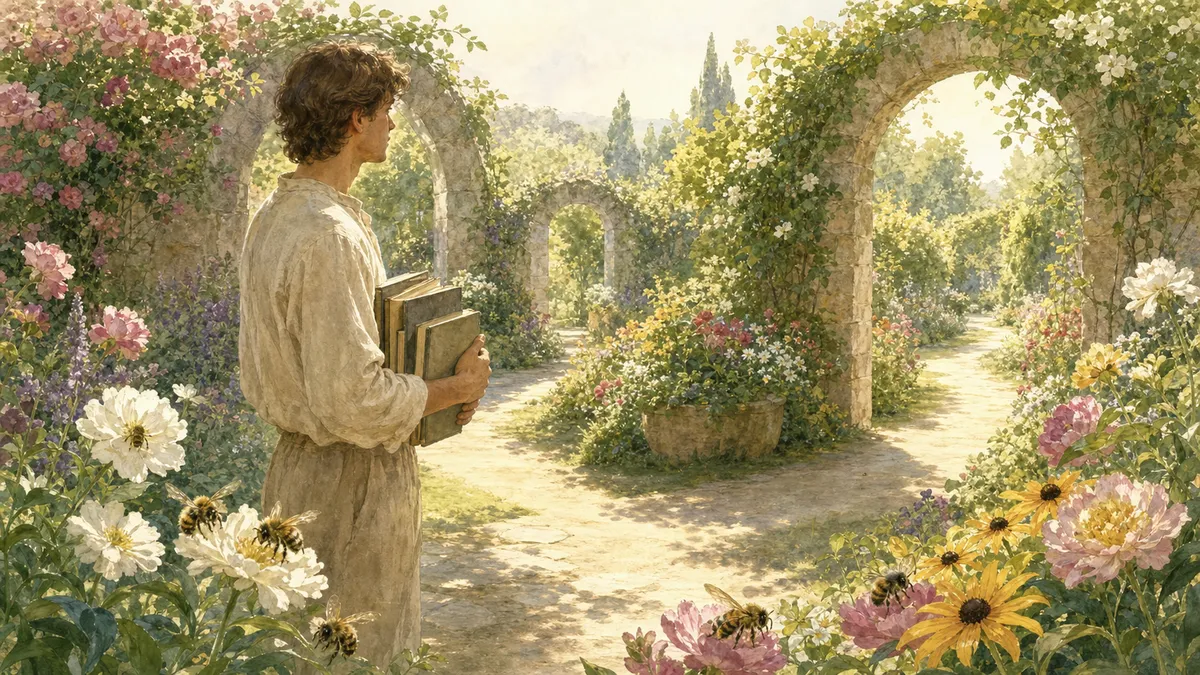
There is a gradation, or classification, of types of tantric behavior. The first type is the bee. The bee is a spiritual seeker who visits one teacher after another, one seminar after another, and reads many books. Like a bee, he simply gathers nectar from all the flowers, filling himself with theories in order to digest them later. Until you have passed through the bee stage, read many books, become acquainted with many religions and spiritual teachers, visited them, and gained some experience, you cannot yet be called a bee. That is, your superficial spiritual search has not yet been completed. You need to knock on many doors, read Castaneda, Rajneesh, Krishnamurti — that is, everything that is nearby — go to one teacher, to another, to a third, in order to gain numerous experiences and absorb all of this. This is normal at the bee stage. But if your bee stage drags on, that is, if you do this for fifteen or even twenty years, then this is no longer normal; you have lingered too long at this stage.
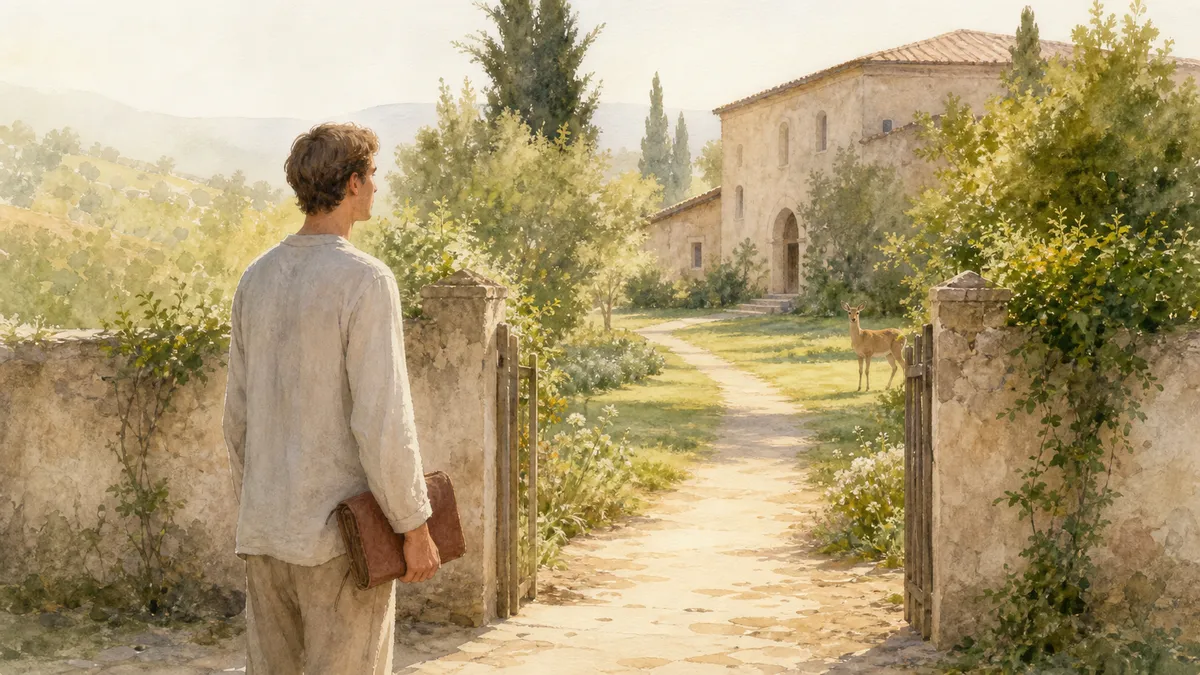
The second stage is the deer. At the deer stage, the practitioner already chooses some specific teaching, some specific Teacher, a specific school, in order to concentrate fully on it and not allow himself to become scattered. After all, there are many excellent teachings and teachers, but it is impossible to spend one’s whole life merely searching superficially; one must apply what the teachings and teachers say. Life is not so long, and one must still manage to obtain some results. The deer stage means that through practice in a monastery, in seclusion, or at a seminar, you put your teachings into practice.
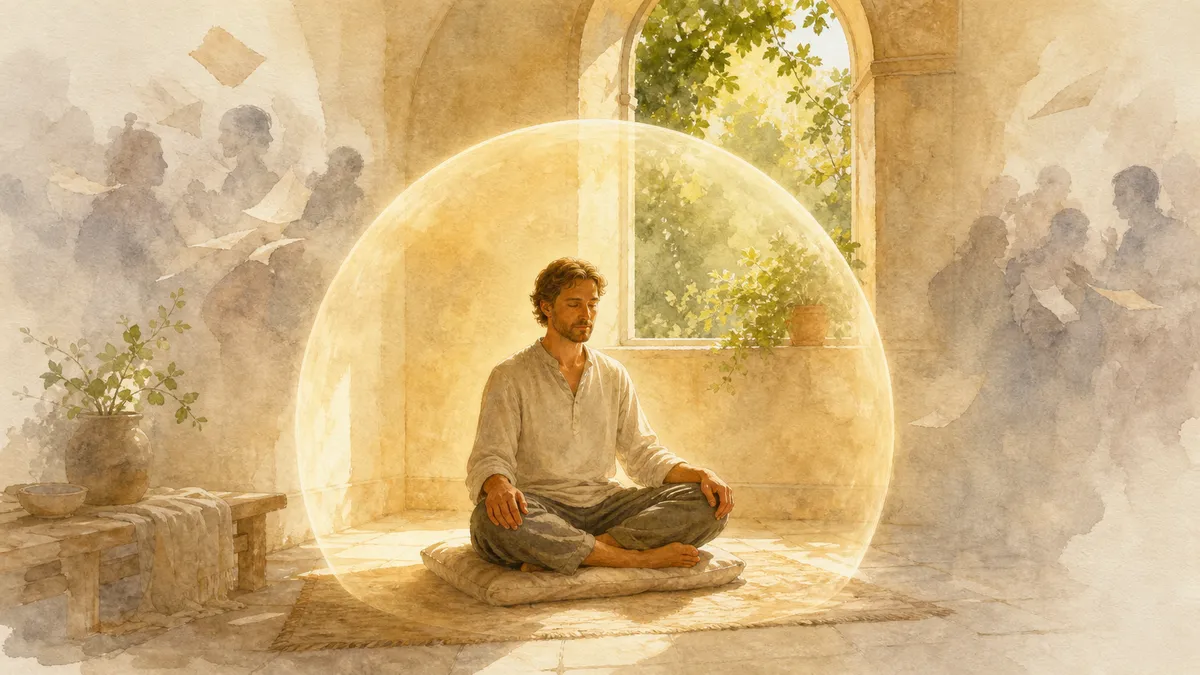
After the deer stage comes the stage of the mute, when it is necessary to completely cease mental activity and external contacts in order to attain samadhi. If you do not enter the stage of the mute, you will not be able to enter samadhi.
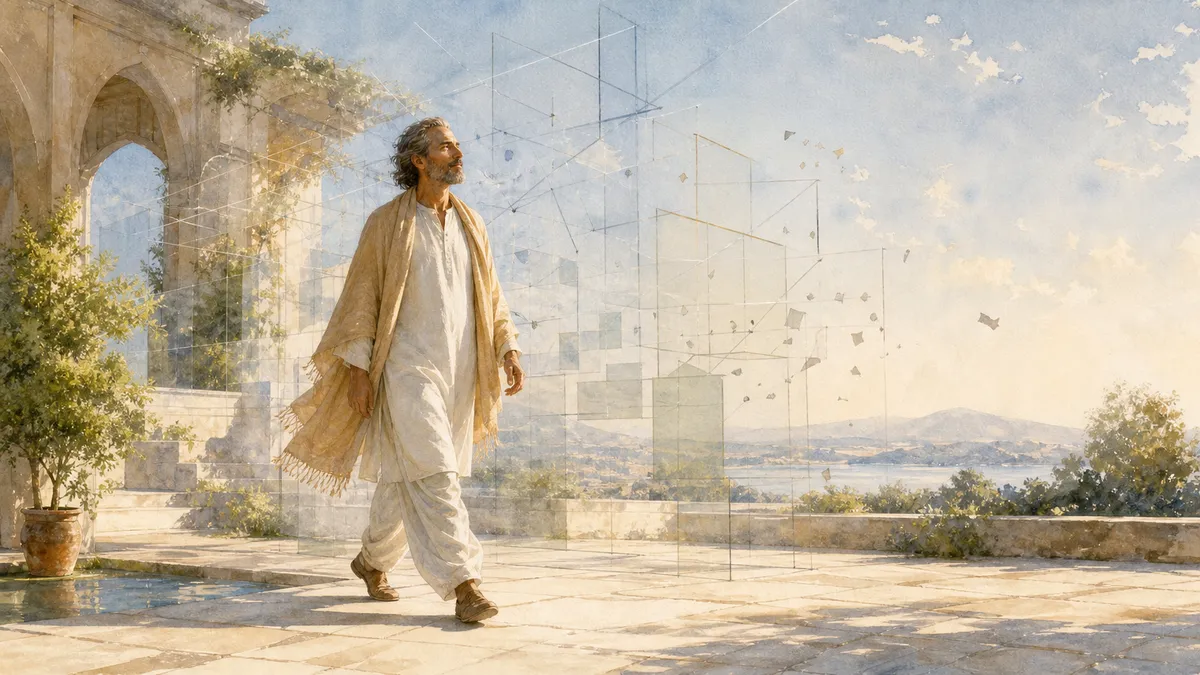
After the stage of the mute comes the stage of the madman. But this does not mean that you lose your reason. It means that you go beyond all dualistic notions, boundaries, and definitions of human knowledge, beyond logic, concepts, and common sense. From the point of view of logic, the state of nonduality is irrationalism, mysticism, absurdity; it is something absolutely incomprehensible, which is why saints are often called madmen. That is, for them the logic of the human world is like a child’s game. They can operate with the logic of the human world, but they are in no way caught by it; it has no significance for them.
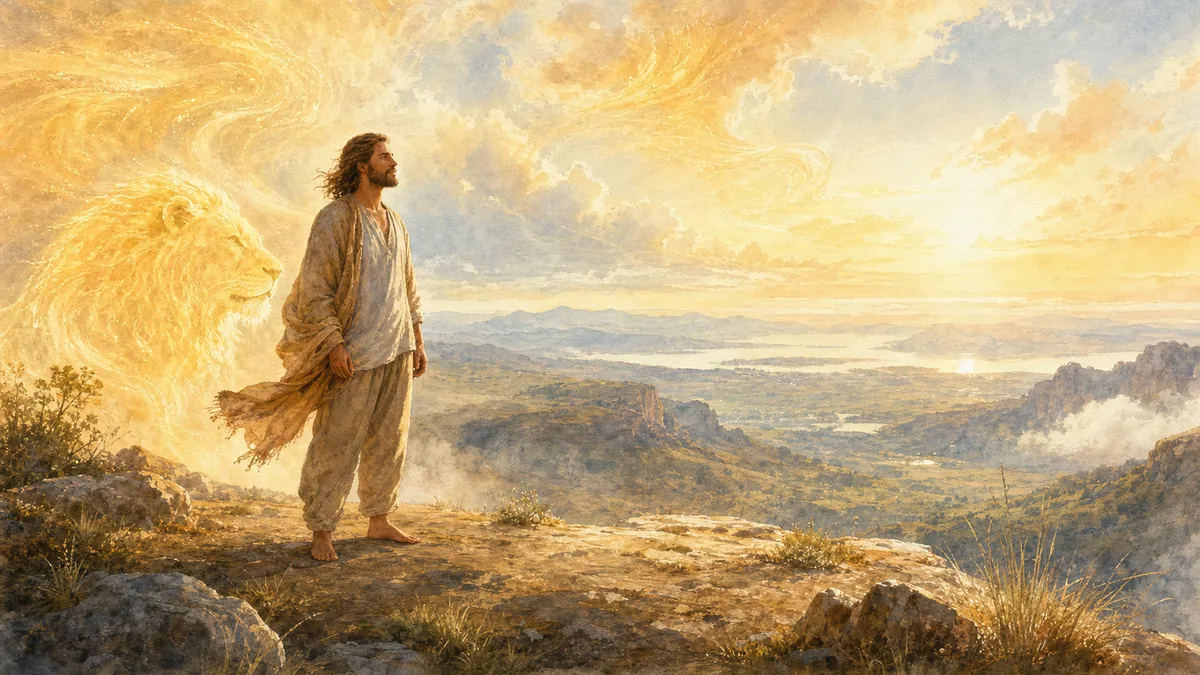
Finally, after the stage of the madman comes the stage of the lion. This stage means that the yogin has realized enlightenment and steadily manifests his absolute nature. He travels, lives in places of power, visits certain energetic points on earth, or summons beings and spirits, manifesting himself in such a way as to confront certain fierce energies, training the depth of his enlightenment.
Finally, at the highest levels comes the dog-pig stage. It is believed that the dog-pig exists outside the value-based and cultural conditions of the human world, making no distinction between pure and impure, good and evil, and so on. This term is used for the state of the supreme mahasiddha who has completely gone beyond the conventions of the human world.

These are the main stages of behavior of a spiritual practitioner. They should be known and manifested each in its own time.
If you remain at the bee stage for a long time without moving on to the next one, your spiritual process has become prolonged. You search and search, but you have not yet begun to practice. This can last your whole life, but life is not so long, and one must still manage to obtain results. If, however, without becoming a bee or a deer, you try to become a madman or a dog-pig, this is also incorrect, because you do not yet have the proper experience and samadhi, and you may make a host of mistakes by applying the high view of nonduality to yourself.
Question: Tell me, who is Osho, and at what stage did he stop?
I admire Osho. He is a saint, an enlightened one. The stages of saints vary. I think he realized enlightenment of consciousness, unity with the Absolute, sahaja samadhi.
However, saints also have their own hierarchy. There are saints who have realized the enlightenment of energy, the enlightenment of the body. The process of spiritual life is endless.
Anyone who has realized continuous consciousness is enlightened. If you want to check whether you or a certain person has attained minimal enlightenment, you need to find out whether continuous consciousness has been attained in dreaming sleep or in dreamless sleep. If a person is aware in dreaming sleep, then he is a serious practitioner, although he is not yet enlightened, but simply a good yogin or some kind of shaman. But if a person has developed awareness in dreamless sleep, that is, in the causal body, in the formless world, then he has already realized a certain degree of enlightenment.
Beyond this stage there is also a level of awareness beyond dreamless sleep. And when a person is continuously aware from the moment of falling asleep until awakening, that is, his physical body falls asleep while the mind does not fall asleep, it can be said that this person has attained true enlightenment. And at the moment of death, his psychological continuity will also not be destroyed. That is, he has become so deeply rooted in awareness that he will be aware of himself even at the moment of death; therefore he will never have problems. An ordinary person, however, loses awareness at the moment of death and unconsciously passes through the bardo of Clear Light and other lower bardos, and then is drawn into the mother’s womb unconsciously, attracted by sexual visions of the father and mother copulating, by visions of the world of the asuras or of the heavens. This happens because he has no awareness. But if a person has realized awareness through dream practice and the practice of presence, he will always have an inner observer, a presence like space. And then frightening or alluring visions at the moment of death will not confuse him; he will not lose himself.
Even if a person knows many texts or has religious attributes, that in itself means nothing yet. That is, the most important thing is whether he has realized such awareness or not. I think that Osho realized such awareness.
It can be said that if Osho applied the methods of the “Vigyana Bhairava Tantra,” then he was speaking about Anuttara Tantra, because this teaching is similar to ours. The only difference is that our teaching is distinguished by its depth and structured nature. Osho was a spontaneously enlightened master, as it were, for himself and from himself, whereas we represent a specific school, a tradition.
Obstacles on the Spiritual Path
In the process of spiritual life, many difficulties arise. That is, spiritual life is, of course, not a resort or a five-star hotel. Every experienced yogin knows that various obstacles exist. When you are able to progress, your karmic creditors, subtle spirits, and the gods of the world of passion may create obstacles for you. In general, spiritual life is in some sense a struggle.
For example, Christian monasticism speaks a great deal about demons who tempt ascetics, desert-dwellers, and hermits, who fight them in a life-and-death struggle. But we do not have the concept of demons, since everything is non-dual, and even demons are part of our consciousness. Nevertheless, many different obstacles arise, which may be external, internal, and secret.
External obstacles are obstacles from outside. For example, you try to practice, but some relationships with relatives or at work may become strained against you. In fact, when you live in the world, there are very many external obstacles.
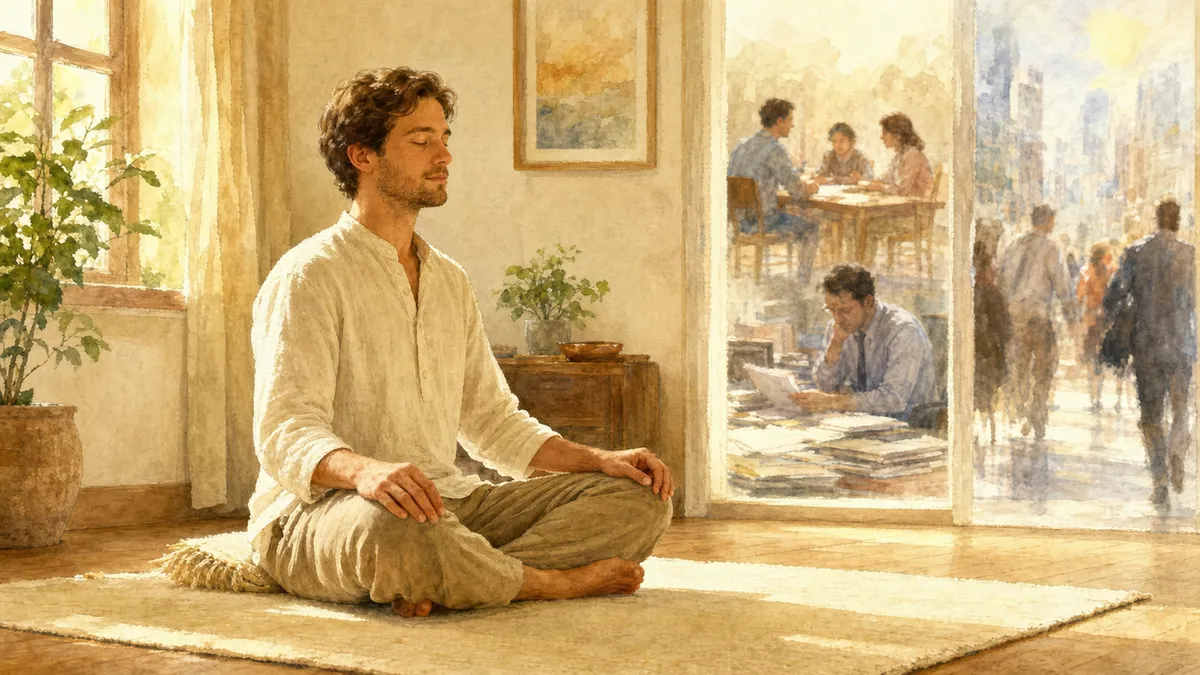
Internal obstacles appear when you no longer have external obstacles, that is, when you have gone to practice in a monastery or in retreat, but problems arise with your channels, pranas, or worldly desires. For example, you want to meditate, but sexual desire, the desire for food, or the desire to see relatives interferes, so you are unable to concentrate.
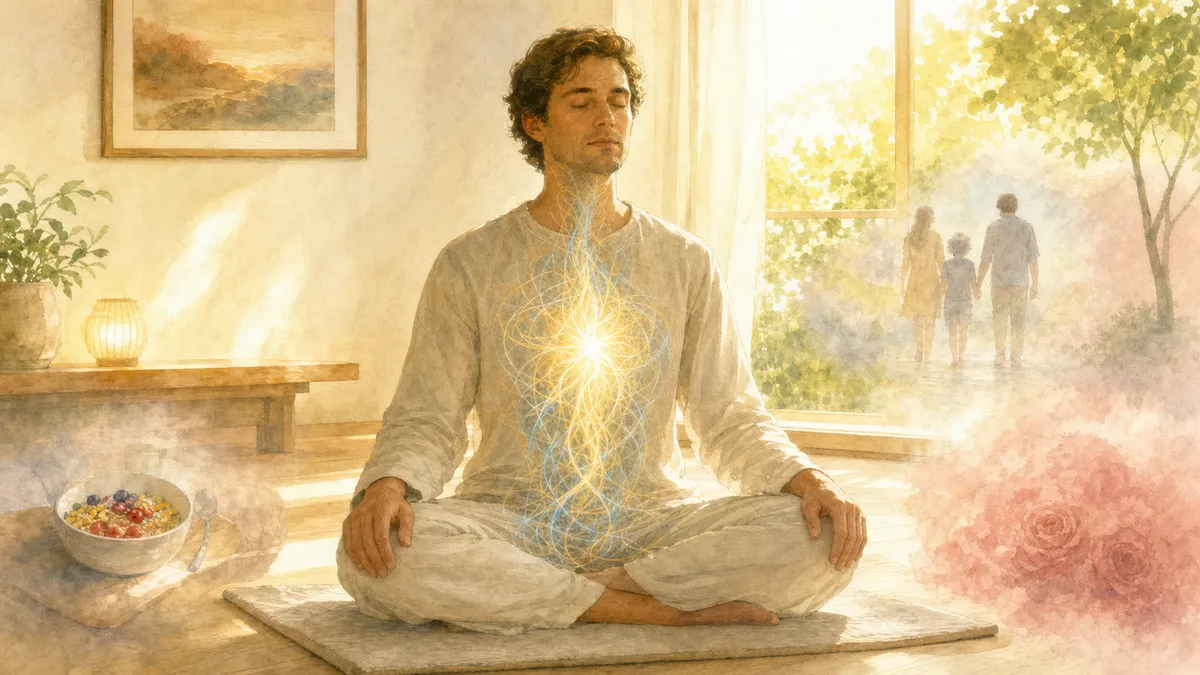
Secret obstacles are connected with clinging to selfhood, to the “I,” to the ego, to various subtle levels of clarity and meditative experiences. Usually only experienced practitioners know how to get rid of secret obstacles, because ordinary people never experience them. Secret obstacles are also connected with obstacles from divine beings. If you did something incorrectly or certain causes were created in your past life, then the gods of the world of passions may stop you, creating various obstacles for you.
There are many beings from another world that can exert such an influence. I think this is the result of such obstacles. When obstacles arise, it can be very difficult for a yogin. But the saints say that if you have an unshakable spirit or faith, then all obstacles can be overcome.
When we choose to follow the spiritual path, we know that it is like the state of a spiritual warrior, in which we must ultimately prevail. Spiritual growth is not attained through small efforts, so we truly must fight against our illusions.
