

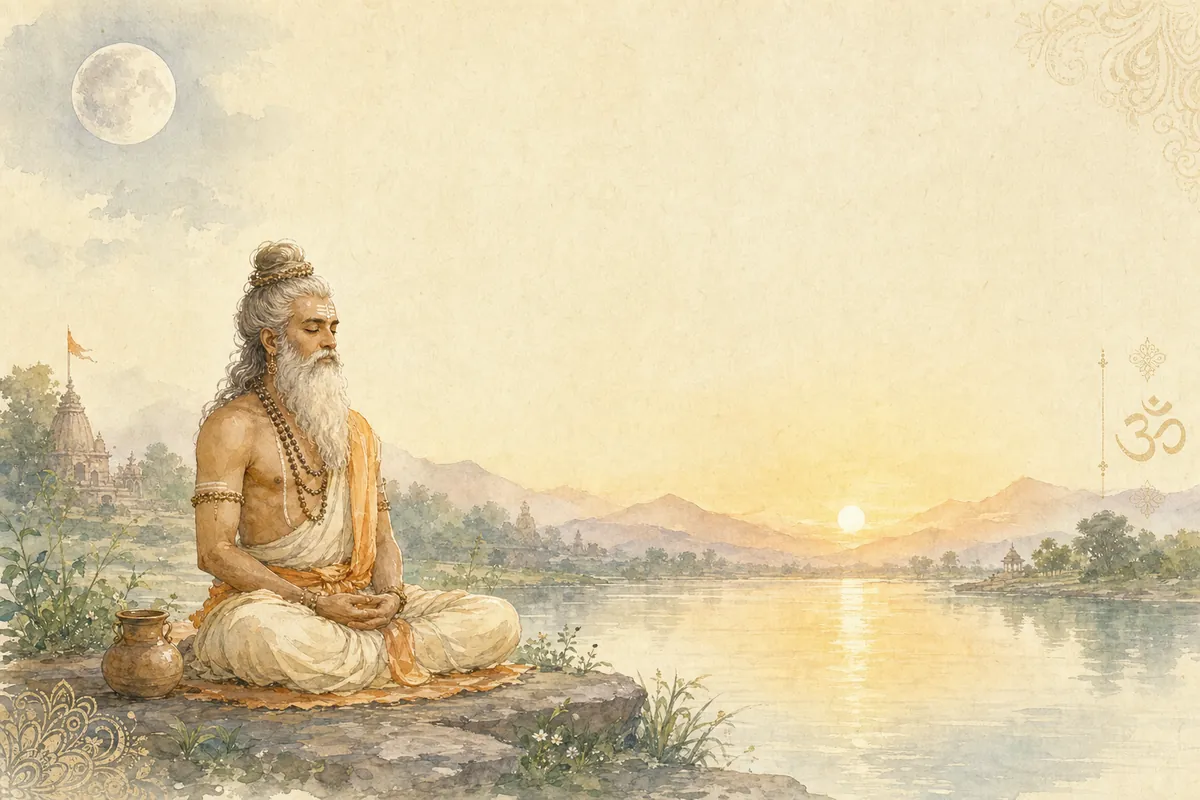
Whenever we recite the Refuge mantra, we also visualize the Refuge tree, the light, and establish, as in Guru Yoga, a connection with the Refuge tree.
Let us begin with answers to questions.
Question: What practices exist for separating the astral body? Is it possible to practice all of them? What dangers may there be?
I think that next year the book “The Path of the Subtle Body” will be published, where such practices will be described.
If you practice kundalini yoga on your own and your kundalini is awakened, then through the method of kundalini yoga you can exit the physical body into the subtle body. To do this, you need to work sufficiently with the channels, that is, perform technical practices. Then prana will gather in one of the chakras, and when you lie down in shavasana, or even at night in a dream, prana will push out your subtle body. Then you will feel as if you are suspended above the physical body, or as if the subtle body has slipped off the physical one. If you have sufficient awareness, you can rise in the subtle body and move about, for example pass through walls, go to your neighbors, or enter more subtle dimensions.
Methods of controlling the subtle body are a very subtle practice, which is also connected with dream yoga. Therefore, the subtle body can also be developed through dream yoga: before falling asleep, you express the intention to awaken in the dream body and separate the subtle body, evoke the sensation of the subtle body separating from the physical one, the sensation of floating or as if you are jumping somewhere, and try, while suspended about a meter to a meter and a half above the physical body, to look at your physical body as if from above and from the side. You imagine all this vividly and clearly. Do this practice several times. When you fall asleep, you may dream that you are taking off or levitating. Through this, you may experience the exit of the subtle body and awaken in the subtle body.
If you actively practice shat-chakra yoga and have mastered concentration on the upper chakras, then the subtle body can also exit the physical body, thanks to control of the ajna chakra. If you concentrate well on the ajna chakra and can gather prana in the ajna chakra, you can also control the subtle body. In the “Shiva Samhita” it is said:
“One who concentrates on the ajna chakra can easily enter another body.”
What dangers may there be? If you do not have enough awareness or enough presence, you may encounter obstacles from meeting certain unfriendly beings in the subtle body. If your physical body is disturbed by anything, the subtle body returns to it very quickly; you may experience what in Western occultism is called repercussion, that is, shocks associated with this rapid return, and a certain weakness. But this is a separate topic.
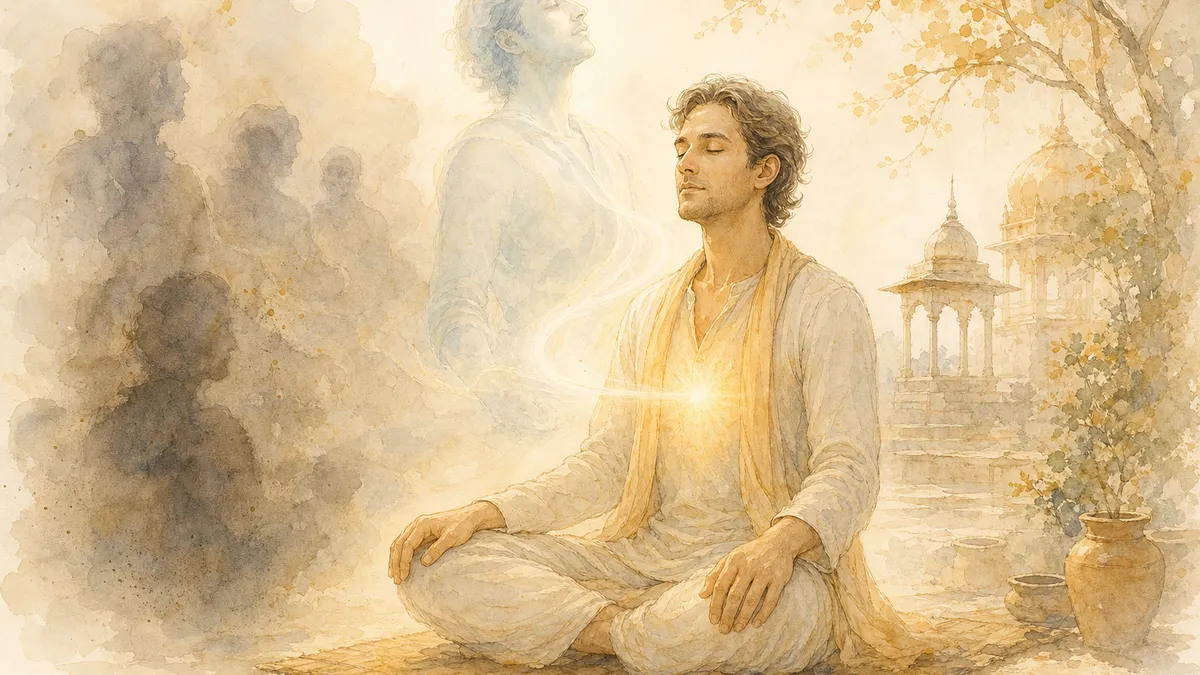
Differences Between Schools of Kriya Yoga
Question: Are the kriyas given by Satyananda Saraswati in the book “Ancient Practices of Kriya Yoga” the same as Yogananda’s kriyas? Are they used in Laya Yoga?
No. Satyananda Saraswati’s kriya and Yogananda’s kriya are different schools. In Laya Yoga, in the section on Shakti Yantra, practices similar to those given by Satyananda Saraswati are used.
Question: “By what methods is sexual energy sublimated? How can nocturnal emissions be prevented?”
I refer you to the book “The Radiance of the Precious Secrets of Laya Yoga,” volume two, “Shakti Yantra.” You are already performing one of the methods — this is chandali yoga, that is, raising and lowering the energy. In addition, I recommend doing ashvini mudra for half an hour a day, that is, contracting and releasing the muscles of the anus and perineum at a frequency of once every three seconds, in order to raise apana vayu upward and cleanse the channels in the area of the svadhisthana chakra.
To prevent nocturnal loss of energy, you can do the following: recite the mantra “Om Brahmacharine Namaha” or “Om Urdhvaryatasyē Namaha” while at the same time offering an incense stick. “Om Brahmacharine Namaha” means “To the one who observes brahmacharya.” “Om Urdhvaryatasyē Namaha” means “I
