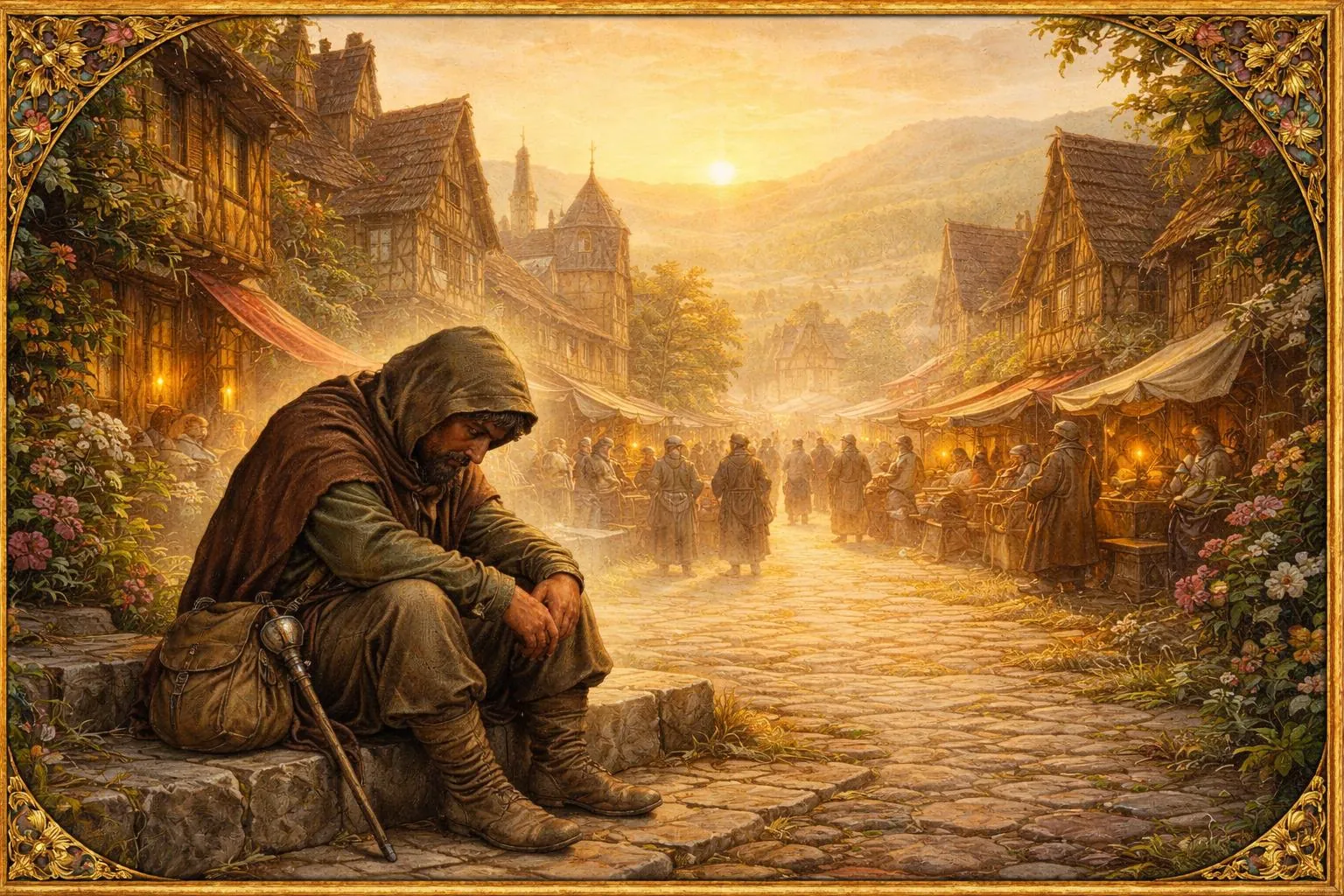
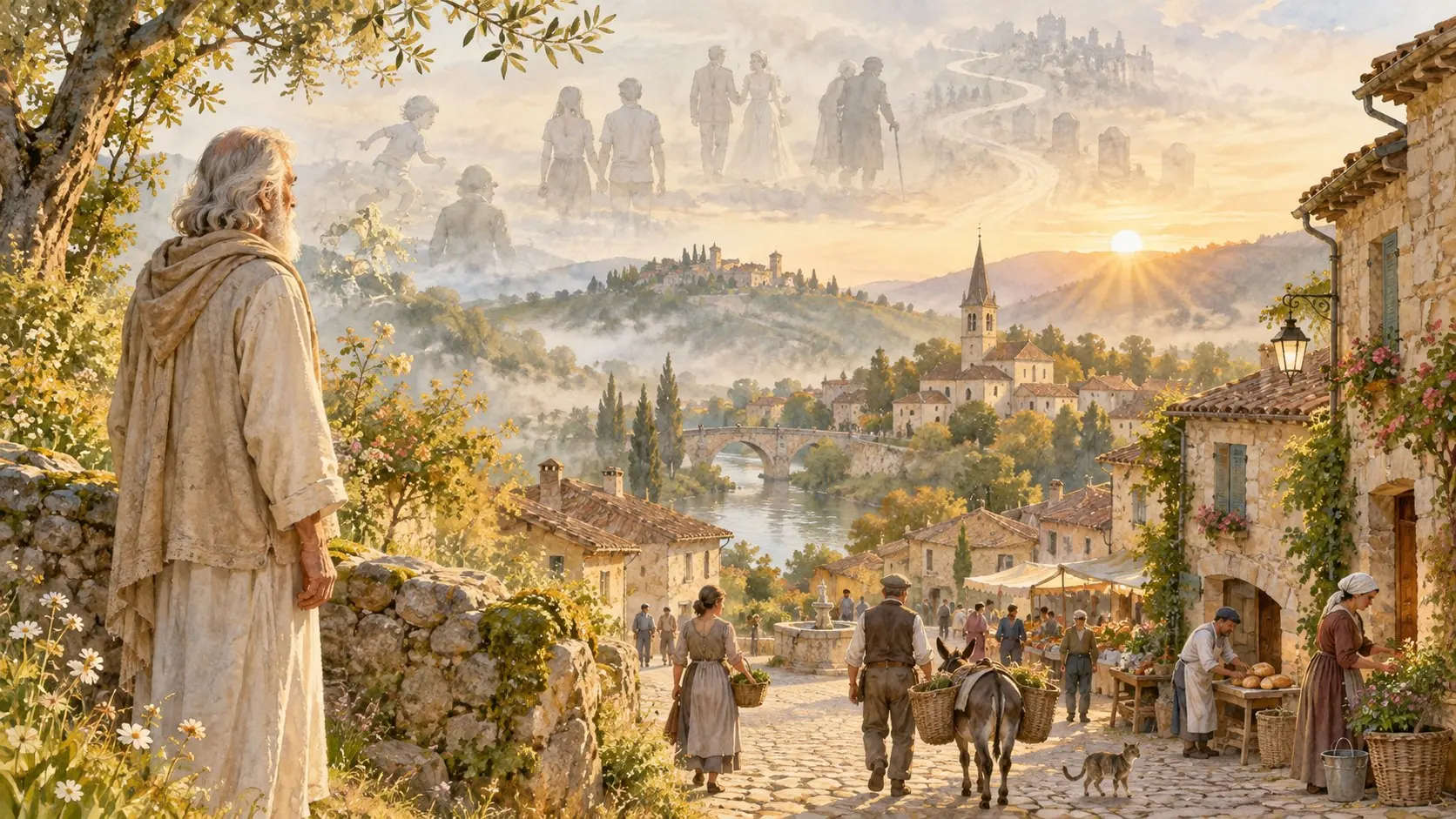
“The wheel of samsara turns. In other lives, one’s father, mother, and other loved ones become enemies. Enemies become friends. Likewise, a father becomes a son, and a son becomes a father. A wife becomes a mother, a mother becomes a wife, and so on. After death, there is an endless succession of transformations, so nothing can be relied upon. A father may become a son, a mother may become a wife, enemies may become friends, or vice versa.”
One should constantly impress upon one’s mind that there is no certainty whatsoever in samsara. Even in this life, friends can become enemies. I have seen two monks who, one might say, ate from the same bowl later find themselves on opposite sides of the barricades. In this life, one can be certain of nothing. As soon as we try to find such certainty in anything other than the Dharma, rest assured that reality will harshly and mercilessly destroy all our attempts, regardless of our intentions. We will even be stunned that this is possible. Therefore, a true yogi, a Dharma practitioner, maintains only one kind of certainty—certainty in the Dharma itself, in the natural state.
One person recently wrote a letter: “I very much want to become a monk and study under you.” We replied: “No problem, come.” Then he wrote a second letter: “I have thought about it, and becoming a monk is a very serious choice. I need a year to finish my studies, and then I will definitely become a monk.” Such a choice may seem right when viewed from a worldly perspective. But from a practitioner’s perspective, postponing one’s sadhana for a year is a far more serious choice. Worldly people are people of great fearlessness. It is as if someone knew that an ampoule of poison had been sewn under their skin and, not knowing when it would break, carried on as though nothing were wrong, studying at university and going about various affairs. One must possess either fearlessness or madness to treat the spiritual path in this way.
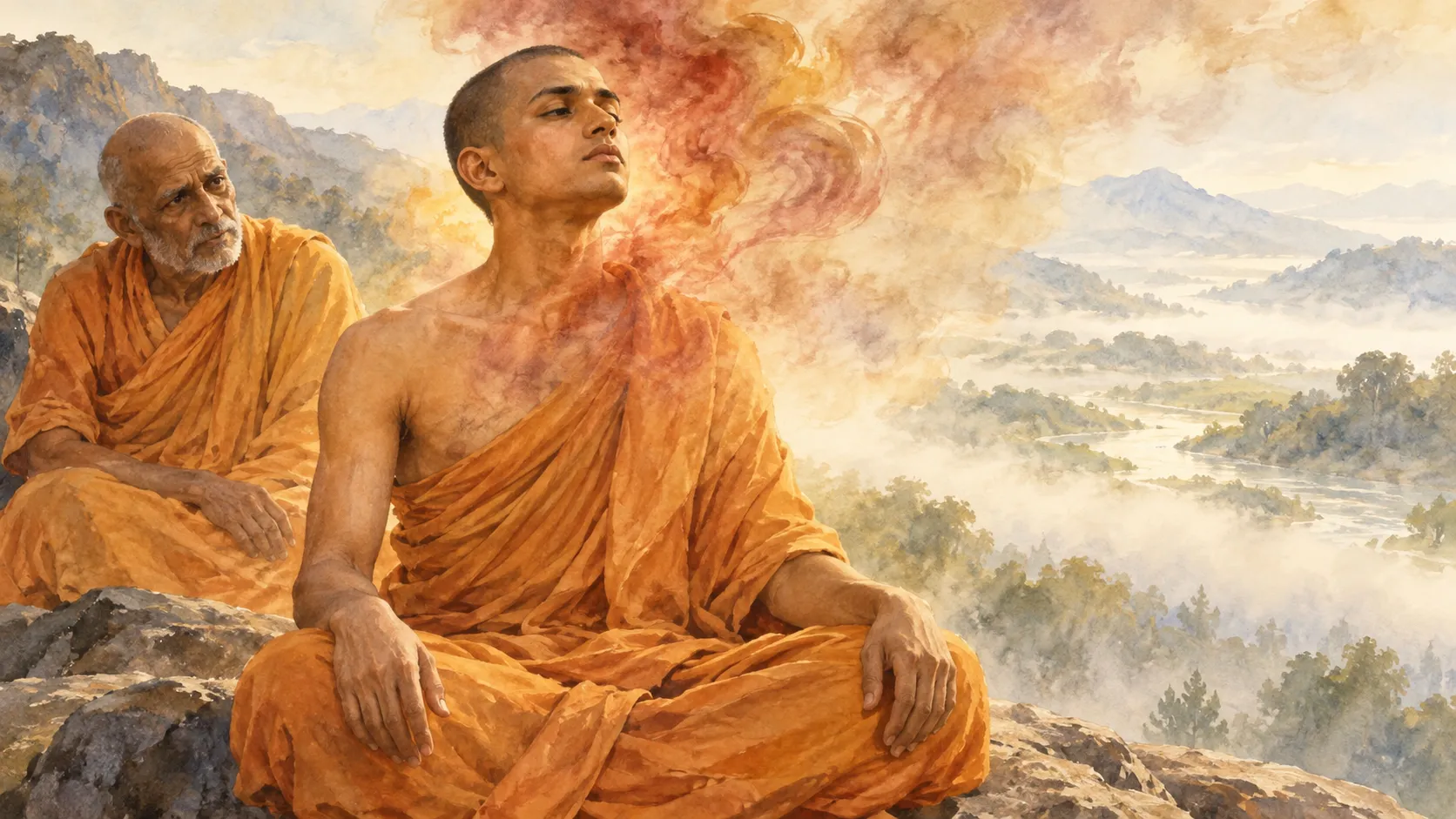
One holy siddha, having attained complete awakening, would come to a village, look around, point at ordinary people, and ask: “Who are these people? Who are these people?” Then he would burst into tears and say: “Unfortunate ones! Unfortunate ones!” Such is the vision of saints. Saints contemplate reality from a different perspective. They see who a person was in a past life, know who they will become in a future life, understand the underlying motives of their present actions, and know what their actions today will lead to. They see that a person, unaware of all this, is completely deluded. They were born without purpose and will die just as purposelessly; their way of life is meaningless, and therefore this life will bring them no benefit.
We need to change our attitude toward life. Understand that in absolute Being, a billion lives are nothing, and a hundred billion lives are also nothing. Being is impersonal in the sense that it is so vast, eternal, and absolute that our little fate and personality are nothing to it. Therefore, within this Being we may once again disappear for billions of lives, plunging into the abyss of ignorance, or we may break free in this very life. Or we may postpone it and suffer again for hundreds or dozens of lives. Therefore, we must have a very strong motivation toward the Dharma, one that transcends ordinary vision.
Somewhere deep within, we must become disenchanted with samsara, disenchanted with conditioned ignorance, so that no experiences, impulses of our ego, or worldly desires can lead us astray from the true path of the Dharma. Christians use sorrow for this purpose. For them, sorrow is a constant state. They grieve over their condition of ignorance, and as soon as they experience anything joyful, they say: “It is better to weep over one’s condition.” In yoga tantra, not only sorrow but anything at all may be used. The point is to maintain continuous vigilance. Yoga is not a sorrowful teaching, yet vigilance for awakening must be constantly present. Sorrow is good because it prevents one from clinging to anything. However, I would not recommend that practitioners maintain sorrow, or else you may fall into an excessively left-channel, yin state. Rather, a practitioner smiles through tears. Knowing the absolute nature of reality and knowing impermanence, they attain fearlessness.
I had a conversation with a nun. I said:
“Novices are now being trained more thoroughly than the first monks were. However, the first monks practiced more, since they have three or five years of experience.”
She said:
“The first monks possess greater maturity.”
I asked:
“And how does it manifest itself?”
She replied:
“Whatever they may be doing, even if they practice less now, they nevertheless know that they share one path.”
In the same way, you too must always know that you have one path.
The Nature of Suffering in Samsara
“As long as we are born among the six classes of beings, we experience suffering, illness, death, and so on. If there is illness, there is a cause of illness; if there is death, there is a cause of death: they do not arise for no reason. Such is the character, or nature, of samsara. As long as we live in samsara, there is no escaping this. And if, disheartened, we decide to leave it, we must put an end to birth; we must put an end to its cause.”
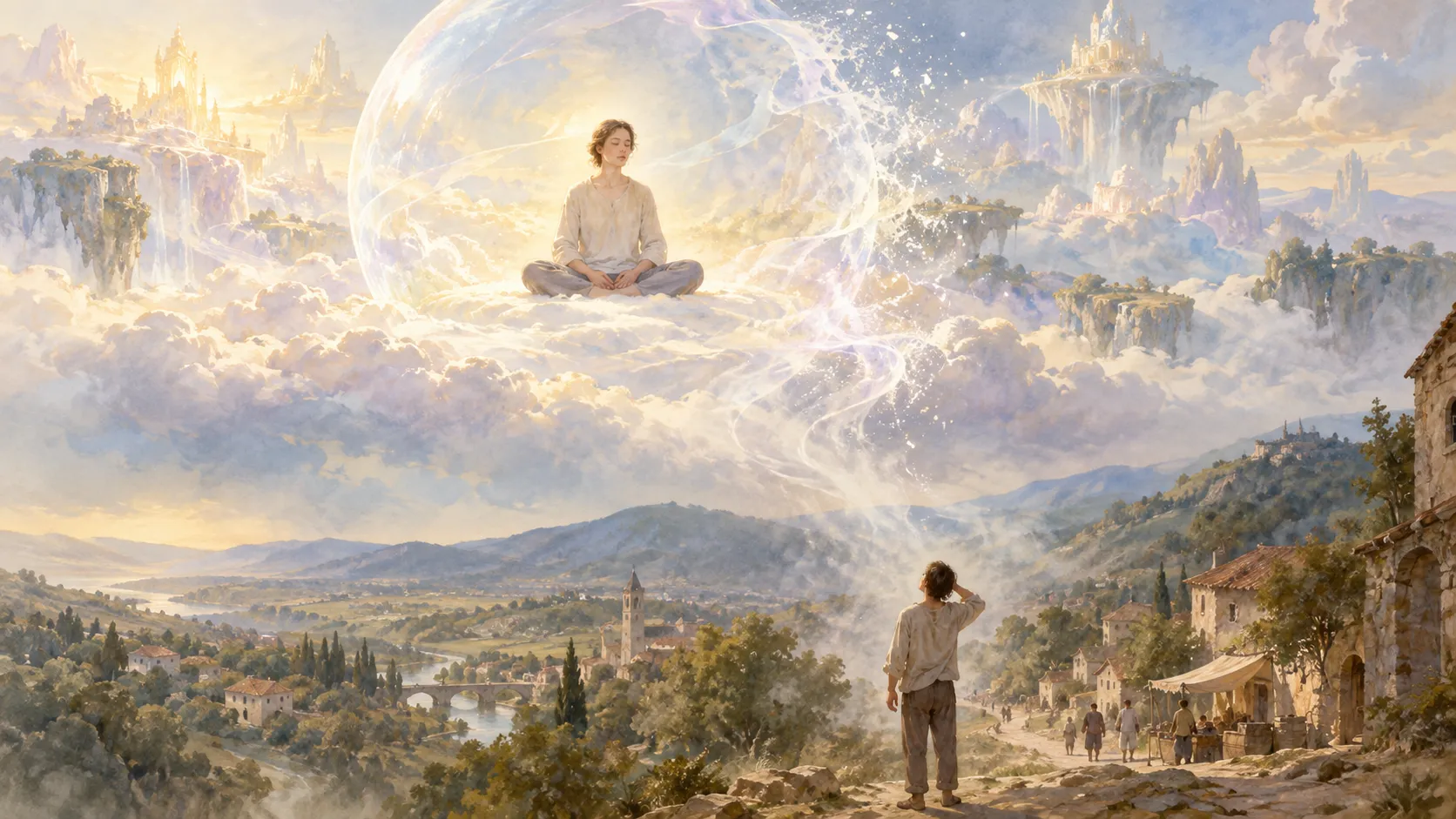
All of us have future births within our causal bodies, and if we do not exhaust them in this life, they will once again cast us into a new birth. Future births can be seen just as past ones can. Through my practice, I once cut off many of my future births. Different kinds of karma periodically flare up in the causal body: the karma to be born in India into a family of virtuous laypeople; the karma to be born in the twenty-third or twenty-fifth century as an elite pilot and perish in one of the wars in interstellar space over the redistribution of trade spheres among empires; the karma to be reborn in the pure lands. You see your future karmas and then dissolve them through the practice of contemplation. If they are not dissolved, a new birth will be taken.
We must become disillusioned with everything dualistic so that we rely solely on contemplation. When we rely solely on nonduality, no new births attract us. To achieve this, we must develop a stable disillusionment with the dualistic, with everything that differs from the natural state. Even showing a little curiosity at the moment of rebirth means flying into a new body. Tell me, if you see something astonishing, will curiosity not arise in you? Yet your natural state already contains everything; it is the most astonishing thing of all, and every vision or image emerges from your natural state. The point is to abide in the natural state and constantly recognize it as the most astonishing thing in the Universe.
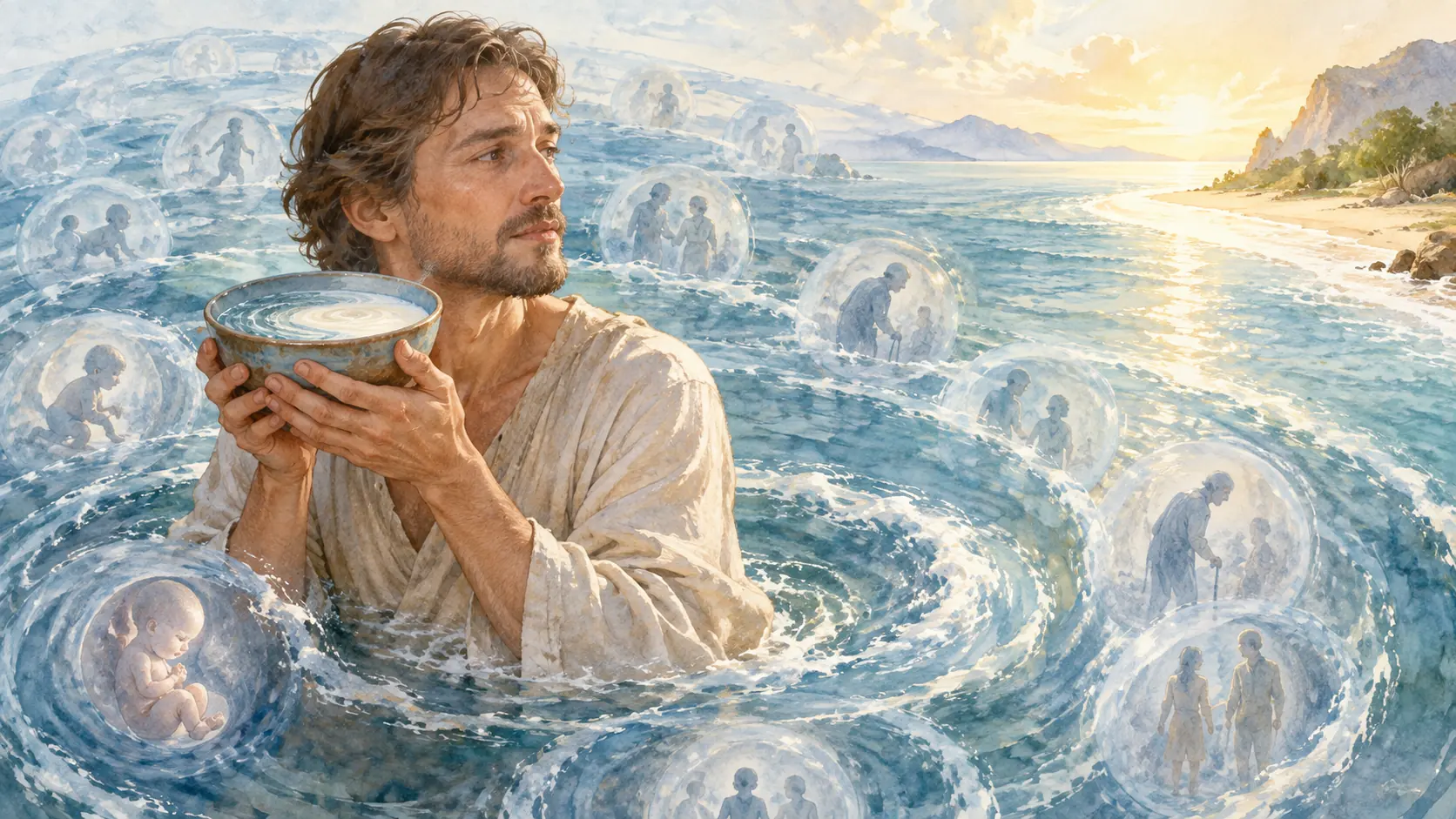
“Through our rebirths, we have all already sucked down oceans of mother’s milk. Yet those living worldly lives in samsara apparently wish to drink and drink it again.”
Consider how much mother’s milk each of us has already drunk and how much more we will drink if we do not practice the path of liberation. This is merely an image pointing to the need for disillusionment with samsara. Samsara should be understood as dualistic vision. If understood superficially, that is, as the world of manifested phenomena, this would not be entirely correct. The world of manifested phenomena is the play of the energy of the natural state. Samsara is when we fail to understand this, become distracted, and get carried away by this play of energy instead of maintaining vigilant presence.
An epistle to a disciple says:
“Who has not been reborn hundreds of times? What kinds of bliss have we not experienced along the way? What enchanting beauty have we not possessed, comparable to a snow-white fan made of yak-tail hairs? Yet passion grows ever stronger. There are no torments that beings have not known, and no desires that they have not satisfied at least once. There is not a single living being whose womb we have not inhabited. But how is it that we have still not lost our passion for samsara?!”
The Dangers of Spiritual Practice
The practice of the natural state and such a powerful teaching as Laya Yoga also entail a certain danger—the tendency to become lost in profound experiences of nonduality. This tendency is called “losing action in the view.” We self-liberate everything and speak of nonduality, but after a while we may begin to underestimate our own condition and karma; conceit or bravado may develop, and carelessness may arise. When such things develop, the Dharma always teaches us a lesson.
One monk had an experience of clarity. He came to me and said:
“Swami, this state is beginning to open up to me. I now see it in everything; there is no escaping it. It is everywhere! What else is there to fear?”
I said:
“You idiot! This is precisely the time to start being afraid, because what you see is still nothing. You will easily lose it. There are still many desires in your subtle body, so you will begin indulging yourself once you let your guard down. It is precisely now that you must exercise even greater vigilance.”
He did not like that. Then another monk came in at that moment, and I said:
“Look, here is a future saint, if he can handle this. If not, I cannot vouch for him.”
At that moment, pride flared up in the first monk, and he said:
“Why future? A saint already.”
“We shall see,” I said.
But unfortunately, this saint is now working through his karma in worldly life. He sent me a letter in which he wrote: “Yes, of course, I still have many vasanas and samskaras within me; I understand.” The Dharma made a mockery of him by simply rubbing his nose in it, even though he had shown such promise. If even the siddha Kanhapa was taught a lesson while walking upon the waters of the ocean, then we must be far more vigilant.
The Scale of Suffering in Samsara
“And when, falling into the hells again and again, you drank molten, boiling copper, there was so much of it that all the waters of the seas could not compare with it in volume. And when you were born as a pig or a dog, in those births you devoured so much filth that its heap would have been larger than Mount Meru, the queen of all mountains. Torn away from your loved ones and friends in the cycle of samsara, for as long as you remained within it, you wept so much that the seas could not contain your bitter tears, nor could the vessel of the ocean. Because of disputes and quarrels with others, you lost your head, and if all those heads were piled together, they would form a mountain whose height would surpass the world of Brahma. And if the dung you ate out of terrible hunger while you were a worm were used to fill the depths of the milk ocean, the entire great ocean would be filled.”
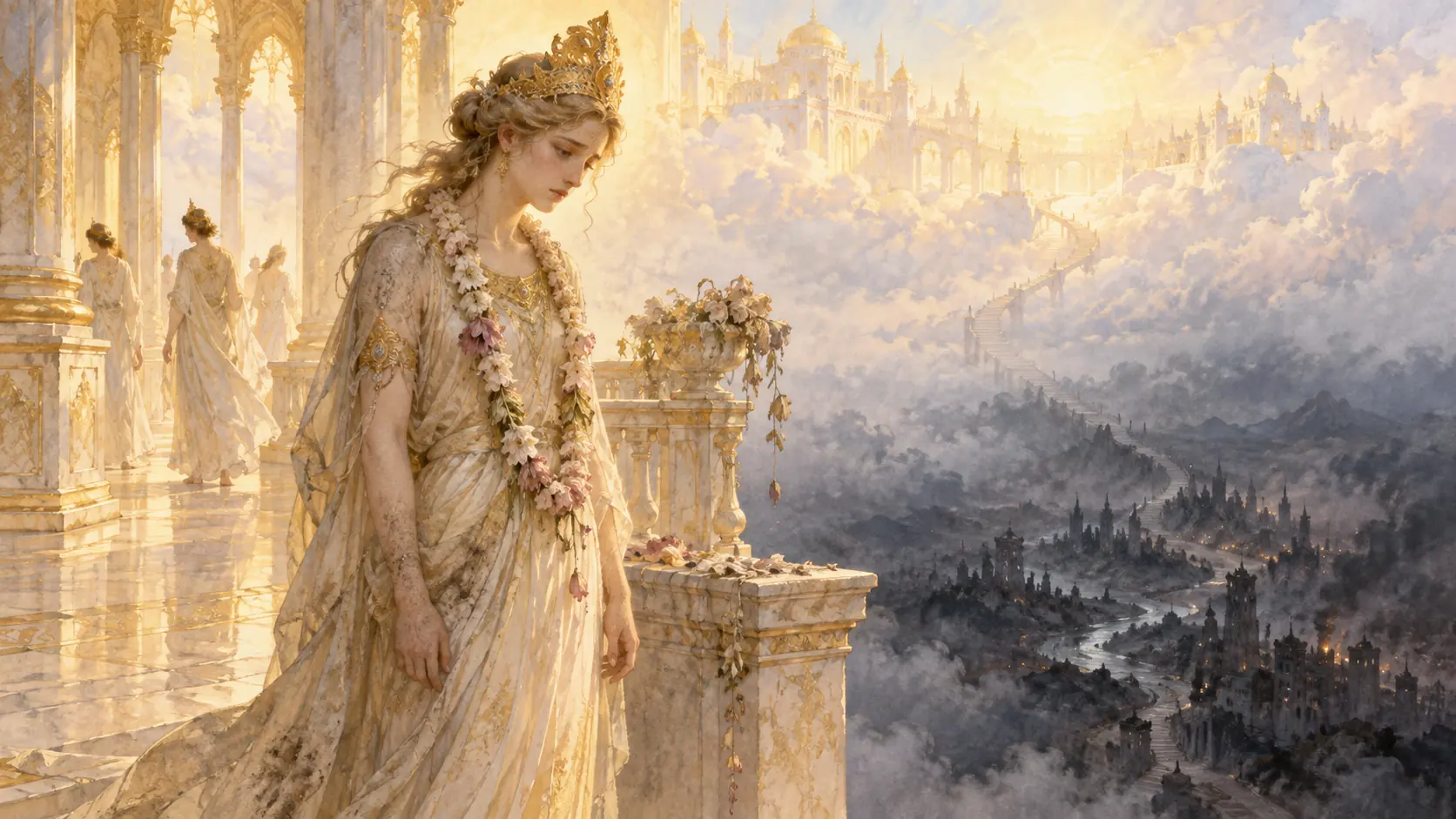
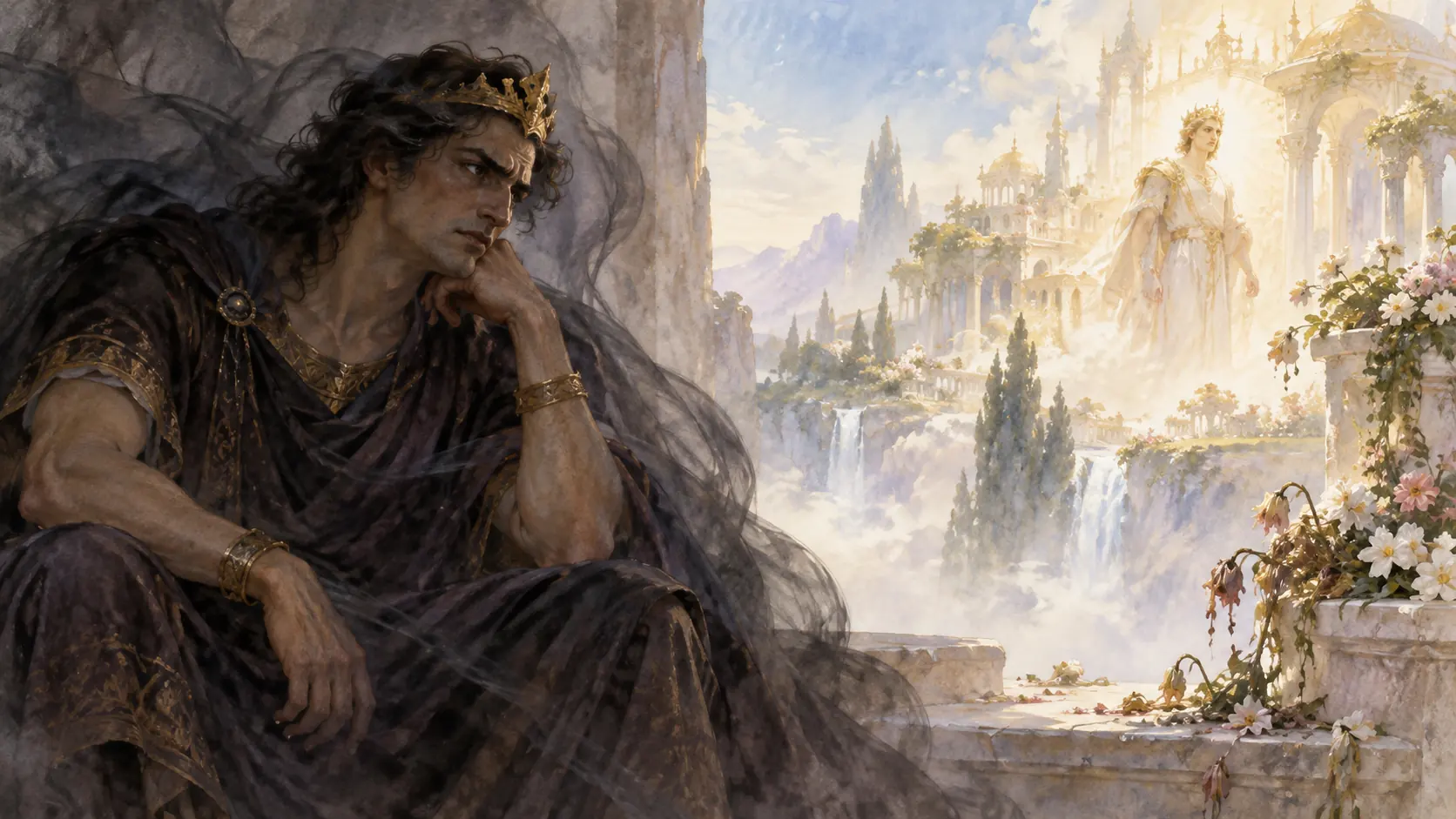
When you speak about suffering to people who have the karma of the impure realms, they understand it; it resonates with them. But when you speak to those who have the karma of gods, they frown and think: “What suffering? Everything in this life is so wonderful. Things always work out for me.” They underestimate the fact that their perception is conditioned solely by their experience of this life; however, even as a god, it is easy to lose one’s position. Even in the heavens, when the lives of the gods come to an end, they see their next birth for six heavenly days. Their garlands wither, their bodies begin to emit foul odors for the first time, and their friends turn away from them. Then, for six heavenly days—several decades by human reckoning—the gods see their future birth in lower realms and are greatly saddened by it. They can no longer remain in a meditative state because it has been exhausted, and according to the law of karma they must once again assume a gross body. When they leave the realm of the gods, the gods shower them with flowers and pray that they will be reborn in the realm of the gods once more.
“Remember your countless former bodies, which you squandered in vain on base desires, and at once direct all your efforts toward awakening, striving to renounce desires completely. Remember your innumerable former bodies, which you squandered in vain on base desires, for you did not gladden the buddhas, as countless as the grains of sand in the Ganges, nor did you ever hear their words of instruction.”
One saint said: “The necessity of rising in samsara only to tumble headlong back down again is disheartening.” One must contemplate this until such a state of mind arises, and once it has arisen, it must be constantly reinforced. It is said: “If someone were to gather the bones from all their incarnations, that heap would exceed Mount Meru.” That is, if the bones from the bodies we acquired and then left behind when we were reborn did not dissolve, and if they could be piled into a single heap, it would exceed even the famous Mount Meru.
“If you were to count all your mothers to the very last one using lumps of earth the size of a date stone, there would not be enough earth.
Thus it is said in the sutra:
“Monks, if, for example, certain people were to remove from this great earth lumps the size of a Chinese jujube stone, counting in this way: this is my mother, this is my mother’s mother, then, O monks, the clay of this great earth would be exhausted far sooner than the maternal lineages of those people.”
One should continually become disillusioned with samsara, this great impenetrable thicket of the boundless wilds of ignorance, and direct the mind toward the correct method of liberation.”
Often, when disciples wish to practice the Dharma, they lack disillusionment with samsara, and then their practice is ineffective.
The Impermanence of All States
“The sorrow of endless falls.
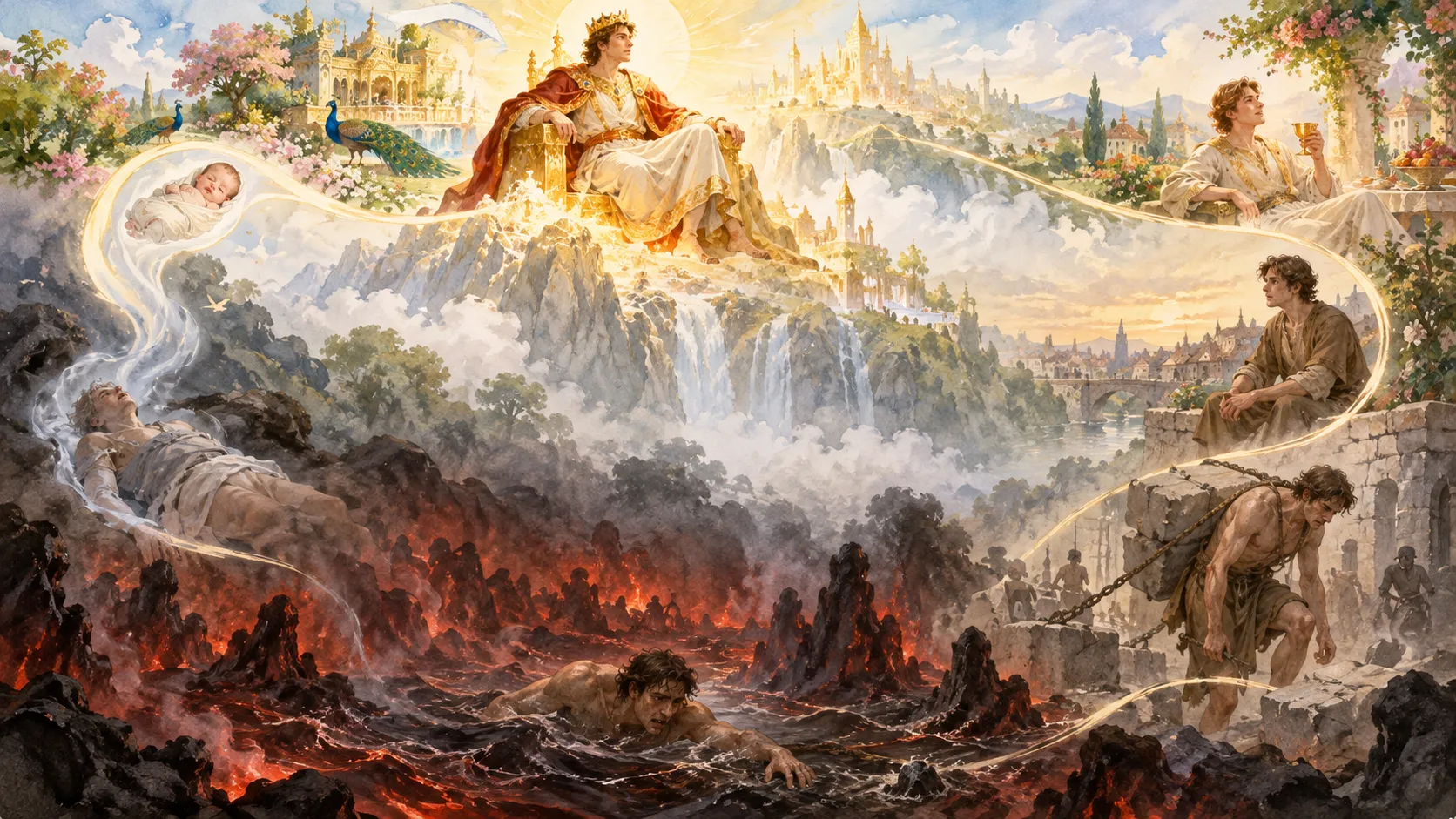
“At one moment you become Indra, honored throughout the world; at another, the force of karma casts you back down to earth, and while remaining here in the cycle of existence, you are now a ruler, now a slave. Touching the breasts and thighs of heavenly maidens, you experience celestial bliss, but then, once again in the hells, you feel the touch of crushing, tearing, and cutting machines. At one moment you caress your feet with silken grass while strolling upon the summit of Mount Meru; at another, you once again suffer unbearably amid rotting corpses and in a blazing pit. At one moment you enter a wondrous forest to amuse yourself, where heavenly maidens serve you; at another, you are cast into a forest of sword-edged trees that sever your legs, arms, nose, and ears. At one moment you are in a tranquil river with golden lotuses and the beautiful daughters of the gods; at another, you are once again in a hellish river without a ford, boiling in its seething waters. In the realm of the desire gods you attain supreme bliss, or dispassion in the world of Brahma, but then, once again in Avichi, burning like brushwood, you suffer ceaselessly. At one moment, attaining the radiance of the sun or moon, you illuminate the entire world with the light of your body; at another, once again in pitch darkness, you cannot even see your outstretched hand.”
These experiences, heavenly pleasures, and infernal rivers are all different types of karmic vision. Our karmic vision changes. Sometimes sublime states arise, and then we think: “There is no need to awaken awareness. We can cling to them and congratulate ourselves.” To prevent this from happening, however, we constantly maintain such vigilance.
To make the great decision to enter contemplative non-doing means resolving once and for all: “I will not cease awakening my consciousness until I realize true non-duality, without being satisfied by any lesser pleasures.” This by no means implies setting up non-duality as some goal within oneself and, like a hounded dog, rushing toward it with all one’s might. To think this way would be to contradict the practice of the natural state. It means only the constant awakening of awareness to presence and contemplation, freeing the mind from being captivated by lower kinds of states, the mind’s constant tendency to free itself from self-reflection, and the constant intention of self-transcendence.
Suffering in Various Worlds
“The asuras also suffer greatly in spirit because they hate the natural majesty of the gods. Although they possess intelligence, the obscuration of their lot prevents them from seeing the truth. Although the bliss of heaven is great, the suffering of death there is far more severe. Having reflected on this, the wise do not yearn to enter impermanent heavens. The bodies of the gods turn an ugly color, their thrones no longer bring them joy, the garlands of their flowers wither, the gods’ garments become soiled, and their bodies begin to sweat, which has never happened before. Five signs foretelling death appear to the gods who live free from want in heaven, just as signs heralding the hour of death appear to people on our earth.”
Before leaving the body in the human world, a person receives various signs. The sutras contain many references to this; they are studied in the section on the “Bardo.” For example, constantly hearing the nada sound in the left channel is considered one such sign. However, this applies more to ordinary people who do not practice.
Swami Muktananda once asked his Guru:
— If one constantly hears the nada sound in the left channel, does that mean the person will leave the body within a year or six months?
His Guru replied:
— This may be so for ordinary people, but practitioners may hear sounds in the throat or in the sahasrara. The sounds emanate from the sahasrara, so this may not be correct.
Signs of Approaching Death
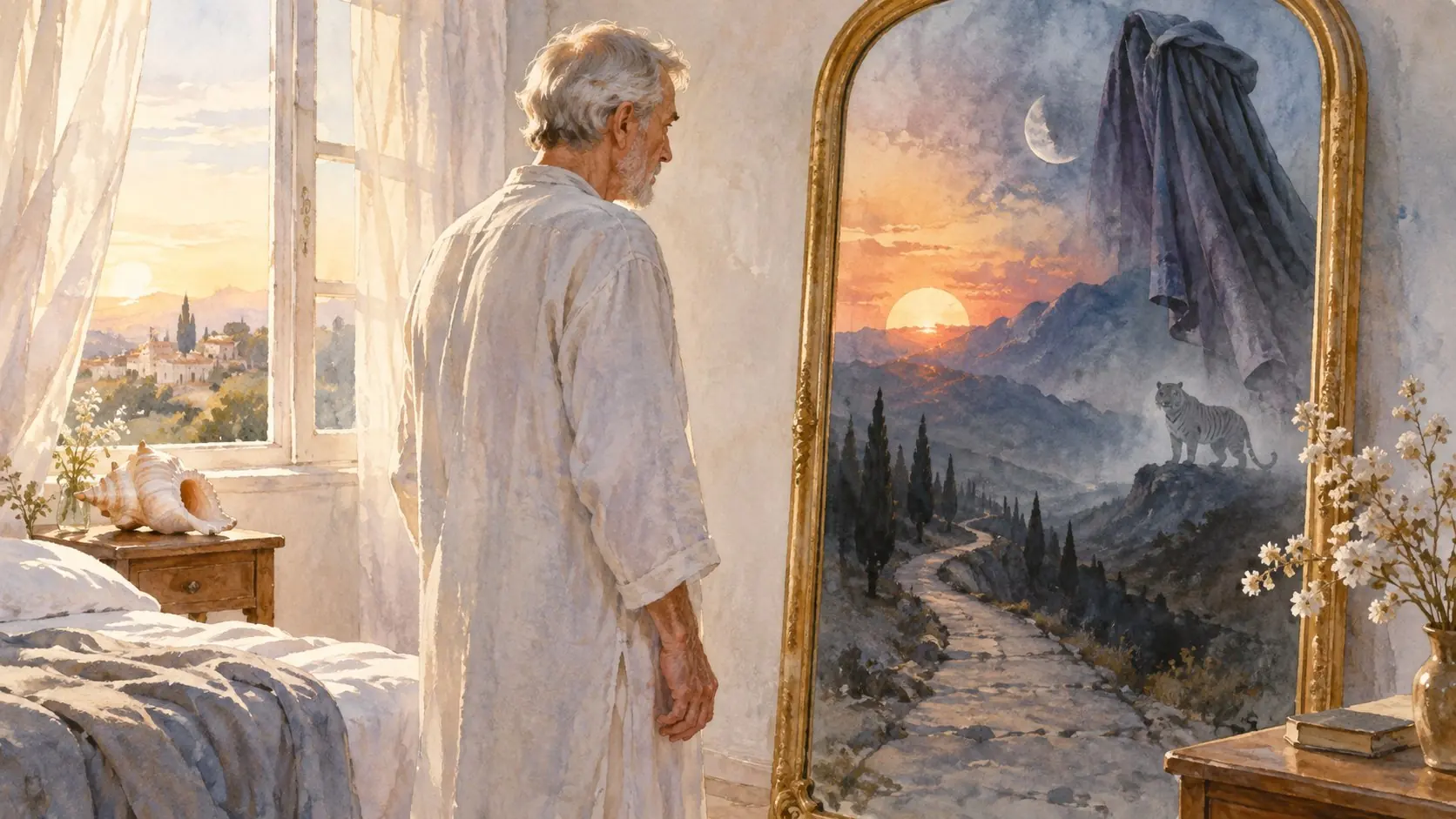
Either the person ceases to hear, or approximately six months beforehand, sounds and noises resembling conch shells arise in their ears. Or they have a series of dreams in which they see the setting sun and moon, or see themselves descending into darkness, or see themselves dressed in heavy clothing or armor. Or they see themselves being led or carried away by a tiger or a bear, or riding downward into a dark land on a donkey or a corpse. Or they see themselves having sex with a black demoness, engaging in amorous play with a black dog, or something similar. Or such a person sees a king strike them on the head with his weapon, or sees some deity cut off their head and carry it away.
There are various signs that a person may see in dreams indicating that they may leave the body within a year or six months. There are detailed instructions on how to perform practices to avert bad omens if a person has such dreams. By performing longevity practices, one can temporarily prevent these signs or cause them to disappear.
The Suffering of the Gods of the Desire Realm
“Amid their heavenly pleasures, the gods know no happiness in their souls. How can those deities who are scorched by the fever of the affliction of passions and whose minds are in turmoil be happy? They are like sick people who have recovered slightly but continue to eat harmful food.”
In the human world, there is an analogue of the gods of the desire realm. These are famous actors, singers, and creative people who do not live like ordinary people. They are the intellectual, creative, and cultural elite. They are like geniuses, like gods. They live in luxury, adored and revered; they have no material problems, and they possess a creative consciousness. They have an entirely different bhavana and vision of life. If you interact with such people, you will feel the shakti, the wave they radiate, a very large sense of “I,” a strong ego. Nevertheless, they experience various forms of suffering and confusion; they are scorched by their own selfishness, passions, and pride, and they also remain in ignorance. This is a prototype of the gods of the desire realm.
The gods of the two higher spheres, the form realm and the formless realm, do not experience the suffering endured by the gods of the desire realm. However, being obscured, they too have no control over death or the duration of their stay in their worlds; they are still subject to conditioning.
The Gods of the Higher Realms and Their Fall
“Those who, in the heavens of the form realm and the formless realm, have escaped suffering and torment enjoy bliss, abiding comfortably in samadhi for kalpas, yet they have not truly attained liberation and will fall from there again. Though it seems that in the ocean of samsara they have escaped bad, crushing births, like the waves of a raging storm, and have been saved forever, no matter how hard they strive, they will not remain there long, like birds soaring in the sky. Like arrows shot by children, they will eventually fall to the ground. Just as an oil lamp that burns for a long time gives off fire at every moment, so too the suffering of the two subtle kinds—changeability and conditionedness—ultimately draws closer to them with every passing moment.”
It is not so difficult to be reborn in the realm of the gods of the higher spheres. Mastery of deep concentration or meditation, the suppression of habitual tendencies of the mind through dhyana, indicates the karma of rebirth in the realm of the gods, the tendency to become completely absorbed in that dhyana. The state of the gods in the form realm or the formless realm is a state in which intellectual activity and the kleshas are suppressed by dhyanas, meditative states. This is a wondrous, sublime state, but it is not true. As long as samadhi lasts, so does the joy of dhyana. But the samadhi of dhyana is exhausted. And then what? A new body is obtained. When reborn in the human realm, the gods are unable to recover their bearings for a long time; they feel lost in this world, they dislike everything, they retain memories of past incarnations, and they long for their previous experiences. Of course, if in everyday life your consciousness is suppressed not by dhyanas but by tamas and sleep, this clearly indicates the impossibility of future rebirth in the realm of the gods.
Overcoming the Craving for Life Through the Natural State
“Karma cannot hurl into another birth one who has forever overcome the craving for life, for the conditions corresponding to it have been exhausted.”
Only when we allow our habit of contemplating the natural state to “mature” is the karma of craving for lives in the realm of the gods of form or formlessness exhausted. The practice of the natural state unites samsara with nirvana. This means that we no longer strive for anything beyond the present moment. We enter the present moment fully and recognize its absoluteness and perfection.
When we practice, our karmas, which until then lay dormant in our subtle bodies—the causal and astral bodies—are exposed. After about a year and a half of practice, if a monk practices diligently, his karmic creditors begin presenting him with their bills. This is a time of temptations, when he must stand firm and self-liberate these karmic creditors. It is as though there was silt at the bottom, and now it has risen and clouded the water. When the coarse turbidity subsides, the natural state becomes free from desires. Then comes the turn of subtle states (experiences of gods and so on), which arise one after another. All of this comes from our own mind. Once we have understood the principle of disenchantment with samsaric experiences, we do not allow anything to grasp us and abide in the true state of awareness.
Natural State
Spiritual Practice
Samsara
Suffering
Impermanence
Disillusionment with samsara
Read 16 times
Articles
Vidya AI
Search
Lectures
November 13, 2026
Mantra of the day
ОМ СВАЧЧХАЙА НАМАХ ОМ Своевольному – поклонение!
Auspicious Times(Rome)
Brahma Muhurta:
05:03 - 05:59
Abhijit Muhurta:
11:34 - 12:14
Sayam Sandhya:
16:32 - 17:12
Saphala Ekadashi (21 November)
Ekadashi of success. Favorable for achieving goals and spiritual growth.