

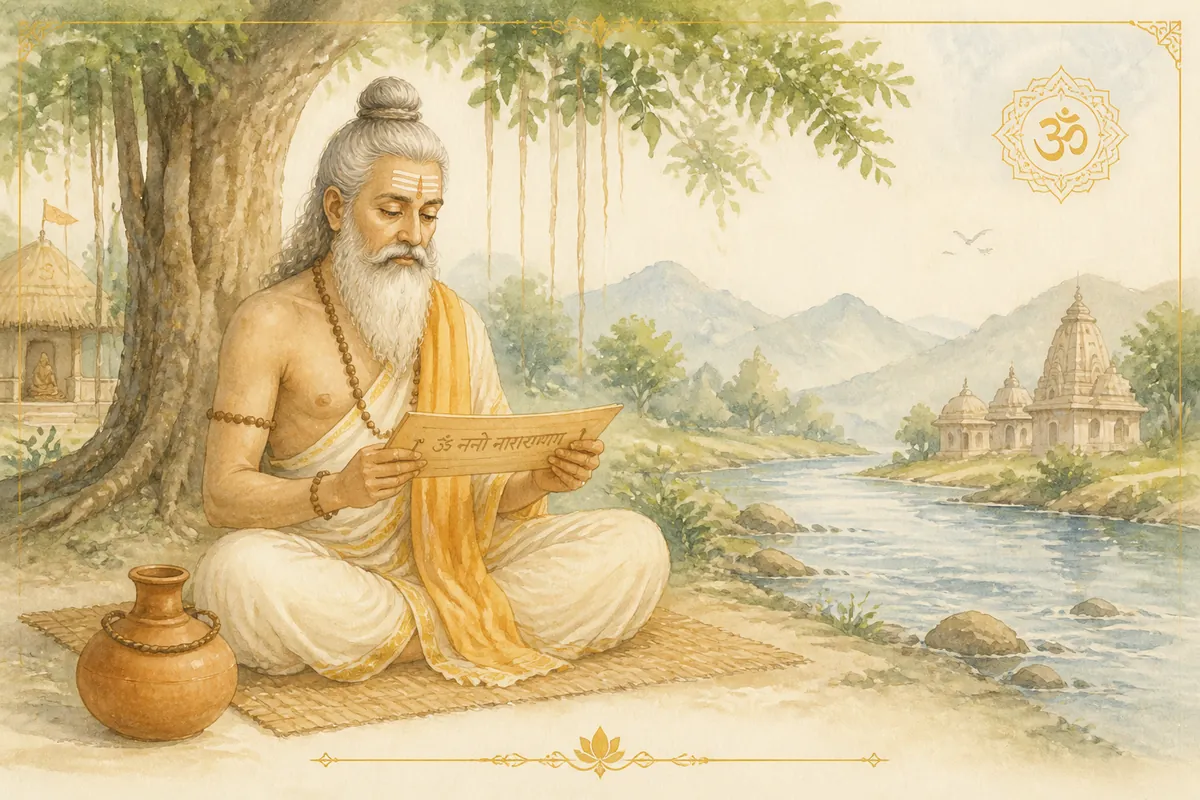
Motives and Goals of the Spiritual Path
When we embark on the spiritual path, we are initially driven by unclear motives, unclear goals, and unclear desires. Generally speaking, we do not even fully understand why we suddenly decided to follow it. At first, we simply have an interest, a kind of burning inner desire to learn something, to improve something. Some are driven by curiosity, others by a desire for happiness; some are tired of suffering, while others may have selfish desires to develop themselves, acquire strength, power, and knowledge, or somehow raise their status in the universe in order to find a better place within it.
Gradually, as we continue along the path, our motives and interests become purified. We begin to formulate our goals more clearly, gain a deeper awareness of the motives driving us along the spiritual path, and understand the perspective of the scriptures and the saints on all of this. Gradually, everything becomes clear.
The motive that we initially had, the one that drove us, becomes more conscious. For example, it comes to be understood as a desire to escape the cycle of birth and death, as an unwillingness to experience anything unpleasant. Because we realize that motives, interests, and the desire to learn something are all good, but the most important thing is how this will help me solve my problem, how it will help me cease to be dependent on karma and samsara, cease to be vulnerable to samsaric energies, become happier, and attain something more eternal, indestructible, and blissful.
Types of Dharma
Liberation from samsara is moksha dharma—a special path, a special dharma inherent in those who have already exhausted other paths, other types of dharma. And it is necessary to understand how moksha dharma, rita dharma, varnashrama dharma, and svadharma relate to one another—all these are different types of dharma that exist.
Dharma derives from the word “dhri,” which means to sustain—that which is the foundation, the basis of everything. Dharma is the path, the duty of every living being, the law that determines its existence in the universe.
Rita Dharma
For example, rita dharma is the path along which galaxies, stars, planets, time, and space move and exist, along which the gods exist and living beings transmigrate. All of this is a law upheld by the gods.
In the language of physics, these are the fundamental principles, laws, and constants underlying the fabric of the universe. For example, there is the number pi, Planck’s constant, the temperature of absolute zero in space, the boiling or evaporation temperature of water, Earth’s orbit, the cyclical movement of the Sun, and cyclical movement within the galaxy. The various constants, principles, and laws that underlie the fabric of the Universe, the law governing the passage of time, and the dimensionality of space—all of this is rita dharma. Thanks to it, time flows in a particular way in this world, planets move along their orbits, the dimensionality of space is constantly maintained, and the laws of physics and the laws of the subtle world operate cyclically.
Rita dharma is established by Brahma the Creator; that is, Brahma the Creator, as the great builder, the great architect of our universe, the great Primordial God, establishes the architecture of the world, its fundamental sankalpa, the fundamental structure of the universe, its rhythms and cycles. First, he creates all of this in his mind, and then brings forth from within himself the gunas, tattvas, and assisting living beings, but he does not maintain it himself.
Maintenance is carried out by the gods, divine beings who are parts of himself, those known as manasa-putras (mind-born sons). For example, the gods of the five elements: Varuna, Vayu, Agni, Indra, Soma, Surya, and Kubera—all of these are gods who emanated from the Primordial Creator God. Even Shiva emanated from Brahma, as it is described, if we understand Shiva as a guna avatara rather than as the primordial Absolute.
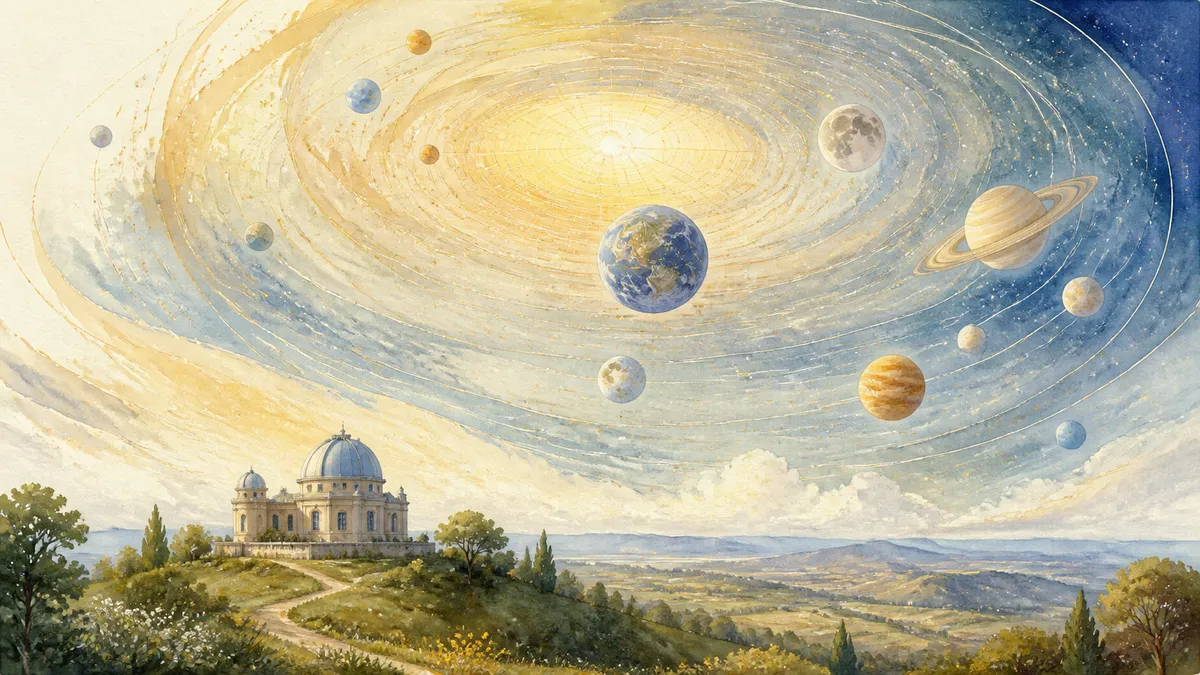
They oversee rita, ensuring that the principles of the universe and its constants are maintained, that logic, cyclicality, development, and cycles are sustained—all of this is rita dharma. Vasishtha, Narada, Dattatreya, the Kumaras, and the seven rishis—all of these are divine energies that sustain the fabric of the universe and the existence of the universe, including all living beings. The god Yama is the one who oversees the reincarnation and transmigration of living beings, ensuring that each one receives precisely the body corresponding to their karma.
Svadharma
At the initial stage of development, a person is not aware of rita dharma, their place in the Universe, in the cosmos, or their duty—they are only very faintly aware of these things because they have karma, they have svadharma, their own inclinations. Karma determines svadharma. Svadharma is the desire to act in accordance with one’s inclinations. If rita is cosmic dharma, cosmic law, cosmic principle, then svadharma is our natural desire to live in accordance with our inclinations.
When we feel comfortable and good, it means that we are naturally acting in accordance with svadharma. When you are dissatisfied with something, it means that it does not correspond to your inclinations. Svadharma means this: if you are inclined to be a family person, a householder, then fulfill your family duties and be happy, but later, of course, do not cry when in the end everyone there dies and you have to be reborn. Such dharma does not guarantee you lasting happiness; it tells you: “You may enjoy yourself a little in the material world through svadharma.”
If you love being an artist or a musician, fulfill your svadharma; as they say, follow your heart—your worldly heart, not the Atman, that which lies in the depths of all hearts (hridayam), but the subtle body. Paint, sing, dance; or if you are a farmer, then plow; if you are a kshatriya, take up your bow, arrows, and Kalashnikov rifle.
Follow your dharma, but afterward do not lament that everything suddenly vanished, that suffering came, that karma returned, and that all of it disappeared. Do not lament, because if you follow such dharma, it will not free you from the cycle of rebirth and death or grant you wisdom. It will satisfy something within you for a while; it will reveal something within you, giving you a little happiness for a time. Svadharma teaches that when everyone follows their own nature, they are in inner harmony; however, this is not yet the knowledge that liberates.

Varnashrama Dharma
There is varnashrama dharma—a social dharma that determines a person’s position according to their abilities and age. Varna dharma means that you are either an intellectual, a ruler, a warrior, a merchant-manager, or simply a worker who does not set the world on fire. This is what gave rise to the caste system in India.
Ashrama dharma teaches that at each stage of life, you are either a novice brahmachari student or a householder. When you grow old, you become a vanaprastha—you withdraw from worldly affairs and must lead the corresponding way of life. Finally, at the last stage of life, you embark upon the path of renouncing attachments, the path of moksha dharma, and become a sannyasi.
Ashrama dharma prescribes understanding your social status and your path in the world and society according to your age. This means that in youth you should study; in middle age, you should support a family, uphold other social roles, and support society. In mature age, you should withdraw from worldly affairs and engage in spiritual practice. A vanaprastha is one who lives in the forest, alone or with his wife, like the ancient rishis; one who recites mantras and meditates, having left behind social duties after his eldest son has married and the family affairs can be handed over to someone else.
Finally, a sannyasi is one who has cast off all limitations and social conventions, renounced society, and is unconcerned with a good reputation, conventions, external dharmas, culture, connections, or relationships. One who is solitary, always abides in dharma, and meditates on the mahavakya “Aham Brahmasmi,” on one’s identity with Brahman.
The various ashramas prescribe different forms of conduct according to one’s age. Why are so many elderly people in society unhappy? Because the time has come for them to assume the status of vanaprastha, and for some the time has come to assume the status of sannyasi, but what do they do? They strive to remain grihasthas; they strive to continue the way of life they had fifty years ago. Is it possible for them to be happy family people?
But they cannot even be happy householders. In principle, the energy of their bodies and the very logic of life tell them that they can no longer do so, but then they become dependent on relatives, children, and the state, and grow deeply dissatisfied and resentful. In other words, where do elderly people who resent their children, the government for their pensions, and the whole world come from? From failing to fulfill this dharma—from failing to recognize that they should already be vanaprasthas.
You should already be reciting mantras and meditating; you should be thinking about God and addressing the fundamental questions of your life. Yet you are trying to remain a grihastha; you are trying to be twenty years old. In other words, where does this desire to conform to standards—to the glamorous standards of glossy society, where elderly people try to be young—come from? It comes from a failure to understand one’s dharma.
You need to meditate and seek the meaning of life. Instead, such a person jokes on stage and shines like a star. That is, behaving at the age of seventy as if you were twenty is a violation of ashrama dharma; it is wrong. You should seek other values; these are no longer your values. If you knew ashrama dharma, at this time you would be seeking God, sitting in solitude, studying the sacred scriptures, attending satsang, meditating, and practising sadhana, because each stage of life prescribes its own way of life, its own mentality, its own culture of behaviour, and then you will always be happy.
Problems of Modern Society
Thus, varnashrama dharma describes a person's behaviour in society. Rita dharma describes cosmic laws and a person's relationship with the cosmic universe. Svadharma expresses a person's natural inclinations, doing what they want to do. Everyone has a natural inclination that is very difficult to go against.
For example, some children from birth enjoy dancing, singing, and attracting attention to themselves—this is an inclination from past lives; perhaps they were apsaras, gandharvas, kinnaras, dancers, or singers. They cannot go against these inclinations; they continue to follow them and become great stars in this world. A kshatriya, a warrior, cannot go against his inclination; his body and mentality are formed that way—all of this is svadharma.
Svadharma expresses karma; that is, each karma corresponds to its own svadharma. And so it is said: “It is better to perform your own dharma poorly than another's well.” In other words, if you have a particular inclination, you will be happier following it than trying to assume someone else's destiny and fulfil it well.
What do we have now? Society has no concept of dharma; people are detached from the foundations of the universe, from the five elements of nature. Where do the millions of metropolitan residents who are dissatisfied with their lives, disappointed in them, and jaded come from? Where do the hundreds of thousands of so-called office plankton come from—those who meaninglessly spend their time at computers and desks in companies, whose only entertainment is flying somewhere such as the Maldives or Bali for a holiday, taking photographs and selfies, or attending corporate parties and nightclubs? Where does this way of life come from?
People have lost their understanding of their place in the universe; there is a meaninglessness of existence that they strive to fill with anything at all, an emptiness of the inner self, an emptiness of inner existence, because society is incapable of providing people with paths for development—consumer society in particular. Consumer society is incapable of indicating goals or the right standards to aspire to. On the contrary, what society does is obscure and veil all of this in every possible way.
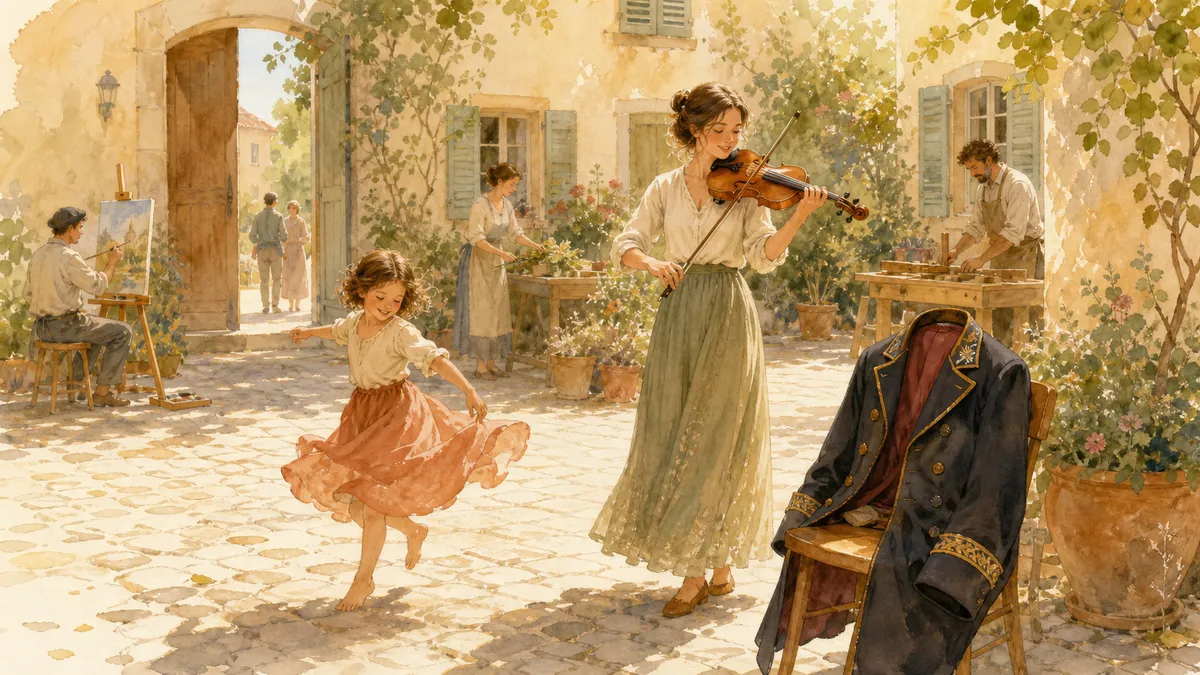
The soul sees the aimlessness of its existence; of course, it will be dissatisfied, and it is detached from itself, detached from its roots, detached even from svadharma. It cannot even do what it wants because it is forced to observe numerous social attitudes, fixed ideas, patterns, and instructions, to play along with and conform to the consumerist standards of culture. And so a person ends up as a prestigious manager in a prestigious office, wearing a prestigious designer jacket, driving a prestigious brand of car, and living in a prestigious house bought on credit. Everything seems to be going well and successfully for him, yet in his soul he is completely dissatisfied.
He does not know where he is going or what he wants; he has enslaved himself by becoming entangled in all these connections and relationships. He lives an utterly unnatural and false life. He does not eat food that is beneficial; he follows a lifestyle that is not beneficial to his body, health, or pranas. He is detached from the earth, water, fire, wind, space, and the sun. He lives an artificial life. How can satisfaction come from this? What happiness can come from it?
This means that even svadharma is not being fulfilled; he does not feel his place in the universe, nor does he feel rita dharma.
Moksha Dharma—the Path of Liberation
And then the next dharma enters the scene—moksha dharma. Moksha dharma is the path of liberation; moksha dharma is the most important of all dharmas, and it says: “Now do you understand that there is a possibility, a chance to become free from all of this?”
How satisfied were you with all the previous dharmas, how much did svadharma help you, how aware are you of rita-dharma, how well can you follow varnashrama-dharma? None of that matters. Moreover, all these dharmas functioned in Vedic society several thousand years ago; today they no longer exist as such. Even in India itself, you will hardly find them, because Kali Yuga has left its mark on every society.
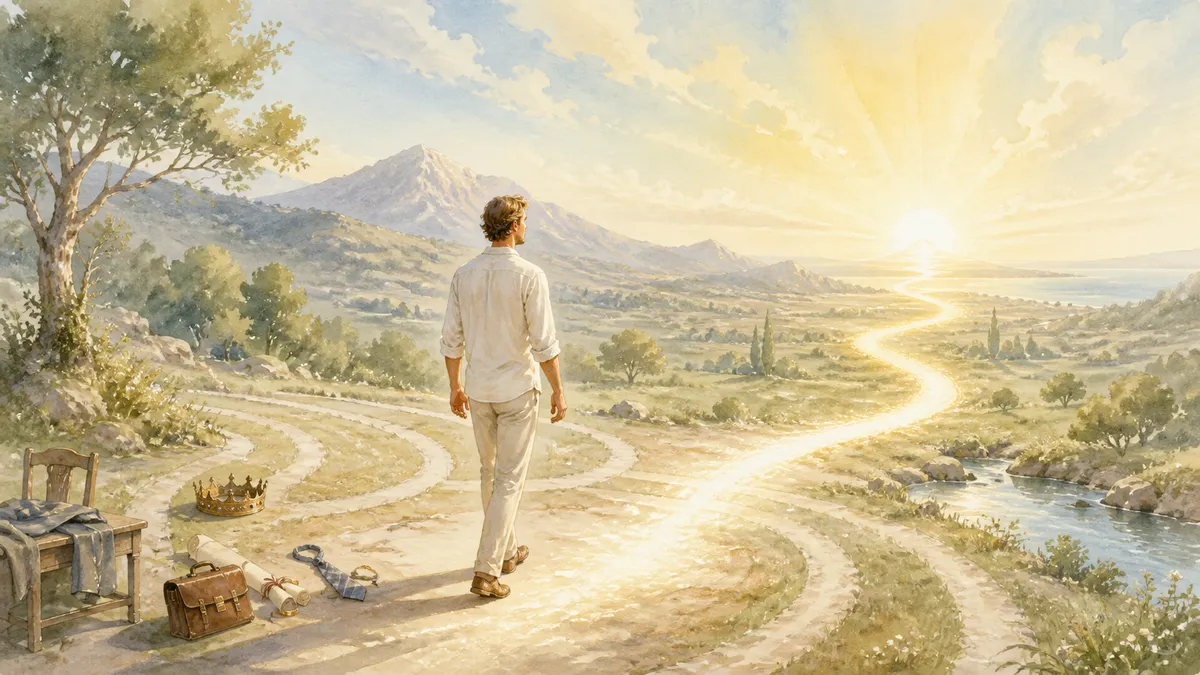
Moksha-dharma says: “You can become free from all of this; you can attain complete freedom within yourself, and you do not need to depend on varna-dharma or ashrama-dharma. You can simply follow the path of freedom, and all the other dharmas will be fulfilled. You will discover your true Self, and your svadharma will be in harmony with moksha-dharma, because true svadharma is the path of liberation, when our foremost inclination is to abide in the divine source.
Rita-dharma will be fulfilled because unity with the cosmos, with the Universe, with the five elements, and with the hierarchy of divine beings arises naturally when we liberate our mind and discover the Atman.”
Another motive, besides the desire to become free from the cycle of birth and death, is the realization of dharma, the realization of one’s path in the Universe and in creation, awareness of different paths, understanding moksha-dharma and the greatness of moksha-dharma as a magical jewel that fulfills all dharmas and grants all desires.
The Four Stages of the Spiritual Path
When we embark on such a path of dharma, there are initially four stages, called charya, kriya, yoga, and jnana. They can be applied both to tantra and to various yogic paths.
Charya — Righteous Conduct
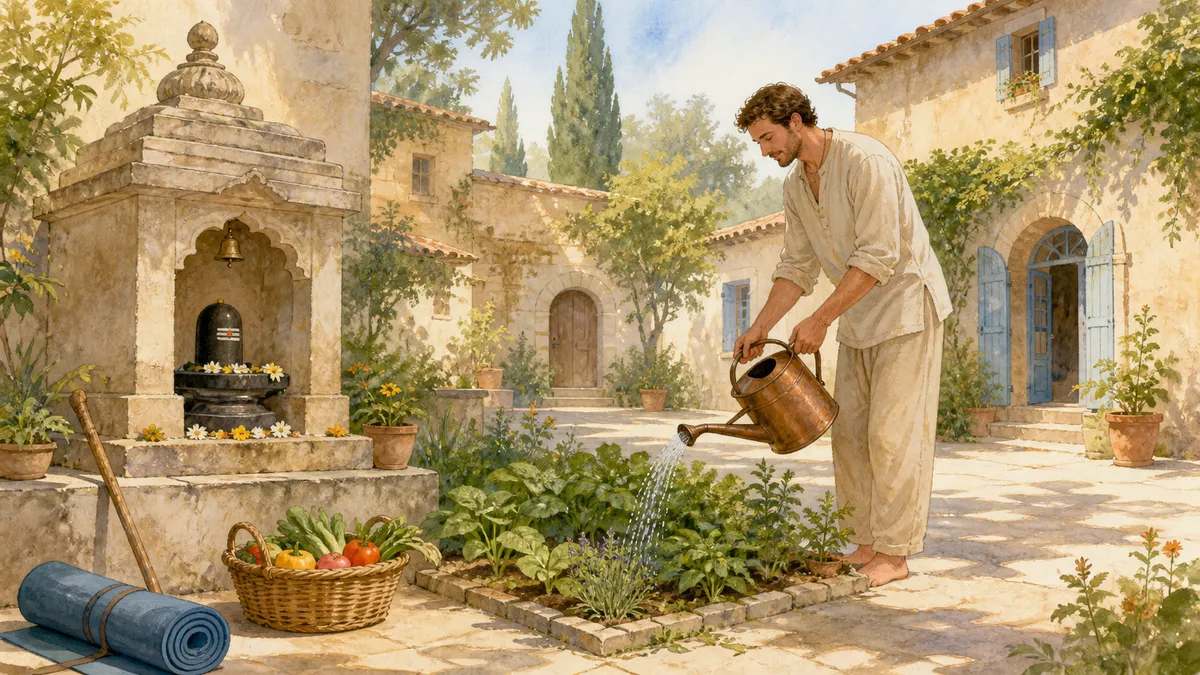
Charya means righteous conduct, when, for example, we visit temples and pilgrimage sites, try not to eat meat, cultivate certain spiritual principles within ourselves, and try to follow them.
For example, even when Christians attend church services on Sundays and observe fasts, this too can be classified as charya. Charya means that we try to conduct ourselves in accordance with certain spiritual principles. For yogis, charya means that we adopt the culture of yoga. This is not yet sadhana, nor is it yet moksha-dharma, but it is a culture, the first connection, when we try to be vegetarians, practice asanas, lead a yogic lifestyle, control the mind, control our behavior, cultivate certain good qualities within ourselves, and make some effort to behave like yogis.
Kriya — Active Practice
Then comes a period when we reflect on all of this and realize that it is not enough, that it is all external, and that it is not enough to be a passive bearer of certain values. At first, a person simply chooses a particular system of values and says, “Yes, this is wonderful, I like this.” They like some banner or page on social media: “Great, wonderful, I support it—vegetarianism, oh Shiva, excellent.”
A year passes, then two—yoga, asanas. They think, “This is excellent, but what comes next? What can I do for this? I need to keep moving in this direction. I have already gone to Kailash, visited one temple in India, then another and a third; one ashram, then another and a third; listened to various things; formed a certain pattern of behavior within myself; entered this culture, joined this community, spent time in it. Fine, wonderful, but there must be something more, something deeper.” And this deeper thing may not be outside somewhere, but within.
At this point, the time comes when we change our attitude toward all of this, and kriya begins. Kriya means action; it means that I begin doing something myself: “It is no longer enough for me simply to socialize; it is no longer enough merely to absorb information passively. I want to become a practitioner; I want to establish myself as a practitioner. I begin reciting mantras, performing simple rituals, visualizations, and certain sadhanas. This is not quite yoga yet, but I am beginning to do something; I participate and perform arati. I do not fully understand it, but I am trying to do something.” This is kriya.
At the level of kriya tantra, a person worships deities and visualizes mantras. This practice is both external and internal; at a certain point, the external ritual begins to move inward. This is a stage when sadhana moves from the external plane to the internal one, when the teaching changes from external to internal, bhakti changes from external to internal, and rituals gradually move inward.
The Transition from the External to the Internal
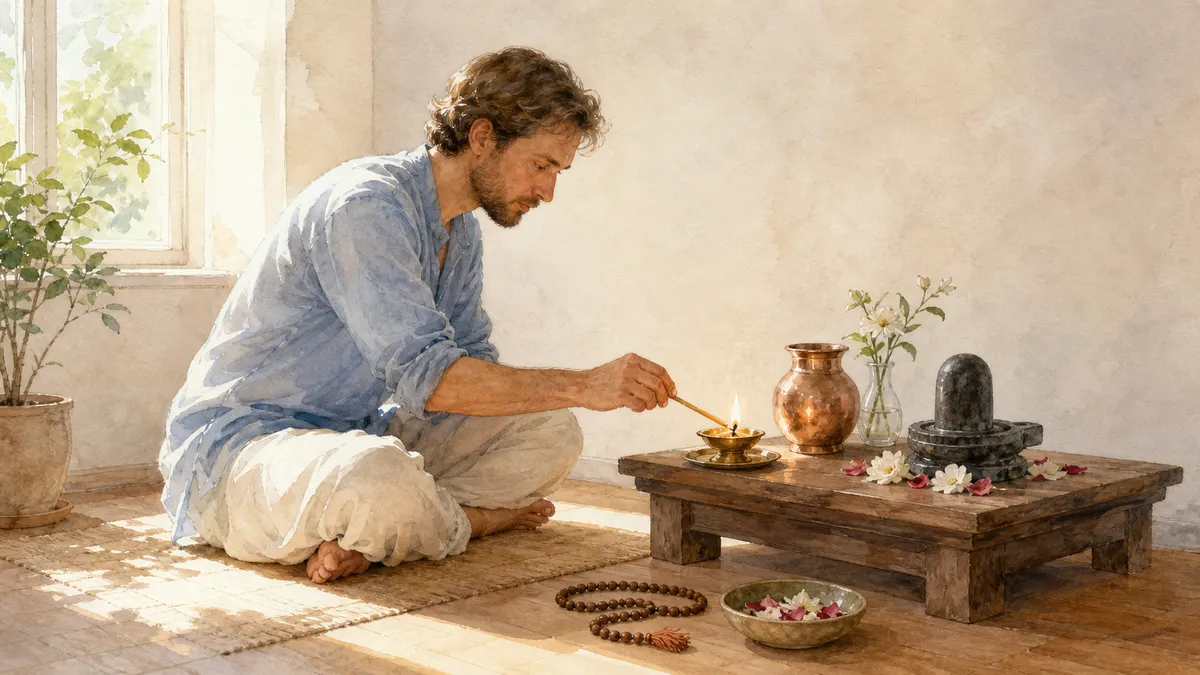
At first, we begin by understanding the external ritual: we prepare flowers and offerings, and it seems to us that rituals will please God and the deities and bring us good fortune. Then we understand that we can perform manasika visually, that we can even visualize ourselves, and that we can place deities in the channels—many things are possible, and all of them are internal processes. We can recite a mantra, and then the ritual is understood differently: the body performs the ritual outwardly, while certain sadhanas are also taking place within.
The Stage of Yoga
Finally, yoga begins. After kriya, yoga means that I begin to feel the winds, channels, and chakras; to separate my energetic, subtle body from the physical one; and to perceive awareness. I no longer begin to practice hatha yoga, because hatha yoga can also be classified as charya or kriya, but rather deeper forms of yoga—I begin to practice dharana, pratyahara, and dhyana, perform various sadhanas, and have mystical experiences connected with my yoga. I understand that yoga is a way of life, a path to attaining mystical experience, and I begin to have mystical experiences.
At first, such experiences may be simple, for example:
- seeing the pranas of the subtle body
- seeing the structure of the chakras and the structure of the energy body
- leaving the physical body in the subtle body through a particular chakra
- experiencing visions, the filling of the central channel, and the filling of the sahasrara chakra
- clearing the channels and feeling their purity
- having experiences of clairvoyance and clairaudience
These experiences gradually deepen.
There can be many such experiences: one can see the worlds of hell, hungry spirits, asuras, and divine beings; one can project the subtle body; one can experience various kinds of light or see beings preparing to incarnate—there can be all sorts of experiences. But over time, even this ceases to satisfy us, and we begin to think: “All of this is wonderful—my mind has expanded, my perception has expanded—but there is one problem: my friend, who drinks and takes LSD, says that he has the very same experiences, only without any practice. I do not understand what the difference is between his experience and mine—how is my experience better, then, and where is the spiritual growth?”
Then, suddenly, we hear a Guru say that it is not about experience at all, but about freedom from experience. It is not about the experience, but about the one who experiences it; we must understand who it is that undergoes the experience. There is always someone who undergoes experiences, and we must understand that one, and realize that all experiences are not of such great value. It is like traveling on a train and watching trees flash past the window: one tree, then another, then a third—there are so many of them, flashing past again and again. The trees keep flashing past. In the same way, experiences flash past—yes, they flash past. They are visible through the window of your perception, but the question is: what value will you derive from this succession of fleeting images? That is another question.
The Stage of Jnana
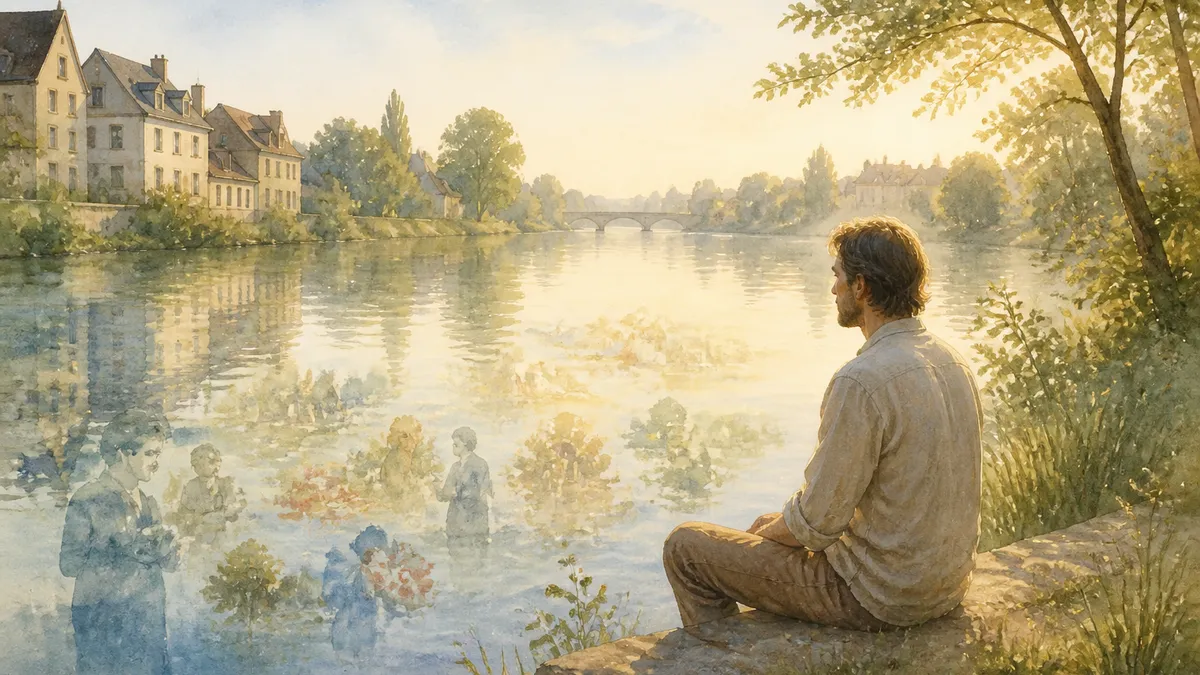
Here begins the stage of jnana. Jnana means changing our attitude toward experiences by turning our perception toward the one who undergoes the experience. Accordingly, experiences are meaningful only insofar as they turn us toward the experiencer, and experiences no longer captivate us; on the contrary, we learn to free ourselves from them, because jnana yoga says that every experience can become your destiny, can become your karma. Any subtle experience captivates the soul, enchants it, and gains power over it.
The task is not to undergo an experience, but to free oneself from it. Usually, people seek experiences in order to expand their consciousness; they say, “At least let me have some kind of experience.” I say, “Wait, wait—you will have so many experiences that you will grow tired of them; you will not know how to escape them, and you will ask: how can I free myself from these experiences, since they are always with me?”
There are people whose clairvoyance, spiritual vision, or something else opens up, and it gives them no peace because they lack the preparation needed to remain free from these experiences. They pray and plead: “Let it close. It is very hard for me to see people’s suffering, very hard for me to read their thoughts, very hard for me to see the subtle world. I do not need this; I want to live an ordinary life.” This is what they say, because experience inevitably begins to subjugate the soul if the soul is immature and unprepared.
Experience inevitably begins to influence the soul and dominate it, because it may be subtler than the soul, and the soul ceases to listen to its own essence and begins to listen to the experience. And where this experience may lead is unknown: a good experience may lead to the heavenly worlds, while an experience of hungry spirits may lead to the world of hungry spirits. An experience can become one’s next life, and so the saints say: “Learn to be free from experience; learn to destroy any experience. Your nature is inherently transcendent in relation to all experiences; it is free from all experiences. Your nature is higher than experiences.”
Discerning the Atman from the Five Sheaths
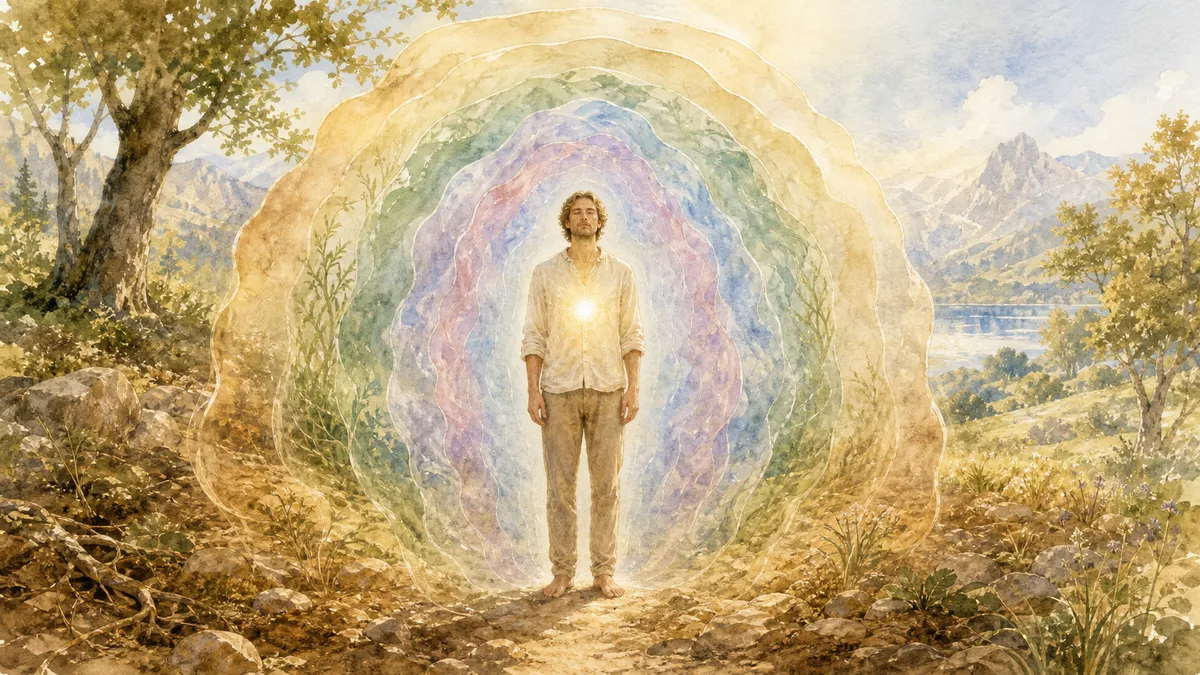
Here begins the period of jnana. Jnana means that a person attains viveka (discernment) between the experiences occurring in the sheaths and the Atman. This is also called pancha-kosha-viveka—the discernment between the Atman and the five sheaths. The Guru will tell them: “Experience occurs within a sheath; every experience is connected with a sheath.”
The experience of the physical body in this life is clearly connected with the sheath of the physical body. The experience of the energy body—for example, sensations of the chakras, sensations of kundalini, sensations of the five vayus, vibrations, and the circulation of energy through the channels—is the experience of the energy body. You may even have experiences of the energy body when it leaves the physical body and moves around the room; it has a structure and properties as the pranamaya-kosha—and this experience occurs within the energy sheath. The experience of the astral body occurs within the astral sheath, the experience of the mental body (vijnanamaya) occurs within the mental sheath, and the experience of the causal body occurs within the anandamaya-kosha (the causal sheath).
Then the Guru says: “Every experience is connected with the sheaths. Discern between the Atman and the five sheaths. You are not the sheaths; you are the Atman. The experience is not happening to you; it is not your experience. Why do you need it? Why do you cling to it?” On the one hand, experience is necessary for navigating the sheaths—it is like a series of steps or milestones that enable us to move forward, and there is nothing wrong with undergoing an experience. If you undergo an experience, that is excellent. What is bad is clinging, failing to recognize the experience, and failing to discern between the experience and the five sheaths—that is what is bad: when we confuse the experience with ourselves.
The Path of Jnana Yoga
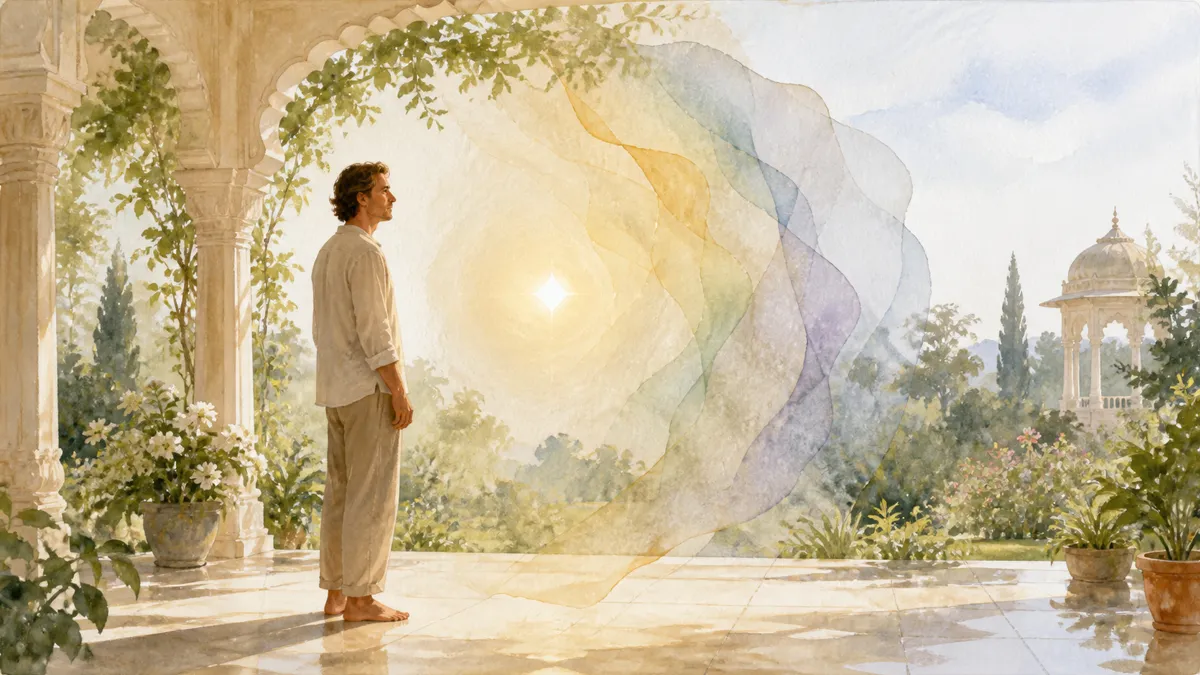
Then the Guru says: “You are not the experience; the experience is within the sheaths, but you are not the sheaths—you are the Atman. Find the pure Atman beyond the sheaths.” This is where jnana yoga begins. In jnana yoga, the disciple must understand the essence of the Atman. Having heard about it and received the transmission, they must reflect deeply on their own nature: Who am I? What is my Atman? Why do the mahavakyas of the Vedic tradition, the mahavakyas of the Upanishads, say that my Atman is the Absolute (Brahman), that my Self is God (the Absolute)? How can this be? Why do they say, “Tat Tvam Asi” (You are That), Ishvara? “Tat” means Ishvara, “Tvam” means you, and “Asi” means are—at what level am I Ishvara? How can I be Ishvara?
They say, “Aham Brahmasmi”—at what level can I be Brahmasmi? Jnana yoga means that we follow the path of shravana, manana, and contemplation. Then, when we separate the Atman from the five sheaths, we suddenly have a transcendent experience, and for the first time the Guru says: “This experience is a great treasure; this experience you may recognize as true. All previous experiences were like glass, but this one is a diamond. Guard it like a magical jewel; you may rely on it. You cannot become attached to it because it is attached to nothing. You cannot make it a support for your ego because it is without support.”
When we learn to distinguish the experiences of the five sheaths from the experience of the true Self, we are ready to enter the path of nididhyasana. The path of nididhyasana is the path of nurturing the experience of the Atman, the higher Self. This is how jnana yoga develops.
The Path of Moksha Dharma
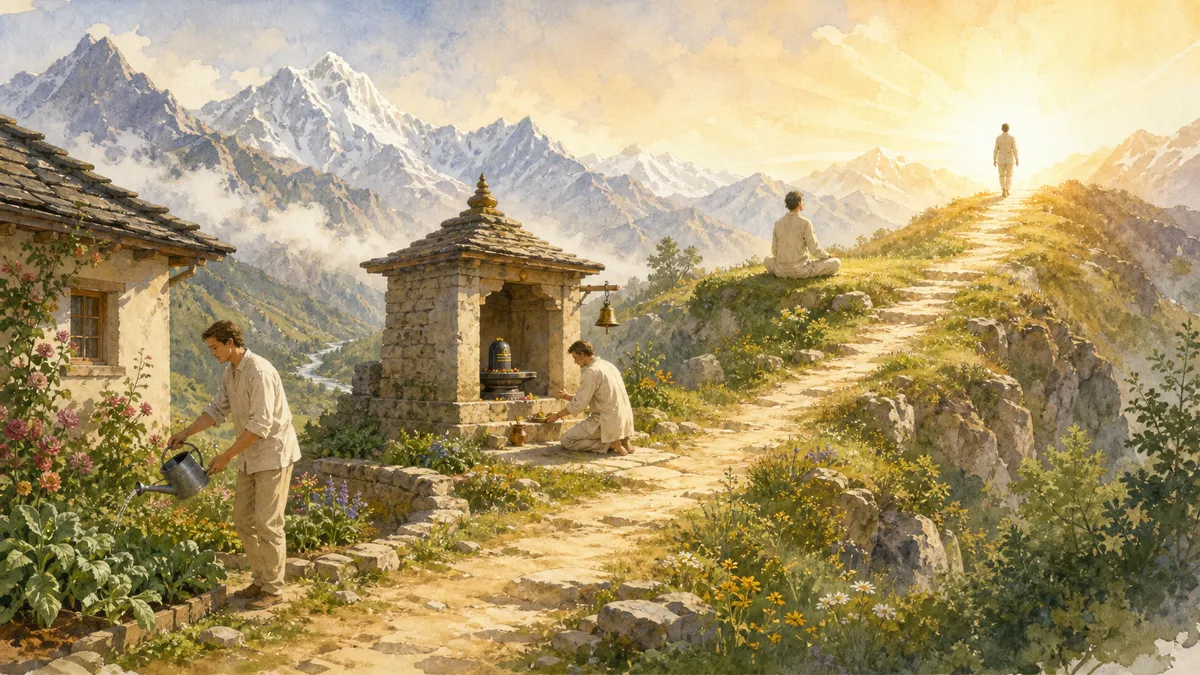
Once we have passed through these stages—charya, kriya, yoga, and jnana—at the stage of jnana we truly enter the path of moksha dharma. Moksha dharma reaches its culmination in jnana. There are further ways of progressing along the path of moksha dharma, and these paths are described in the seven grounds of wisdom (the seven jnana-bhumikas). The seven grounds of wisdom and the teaching of the sixteen kalas are the principal criteria by which our spiritual maturation and transpersonal spiritual experience develop, but we will discuss them next time.
