

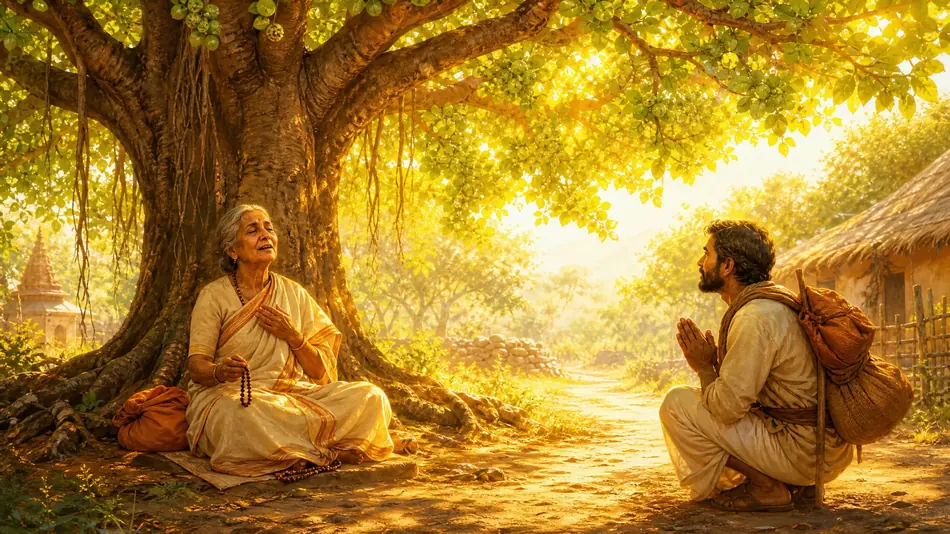
Commentary on the text “The Old Woman’s Guiding Instructions”
“The Old Woman’s Guiding Instructions” is a method in which the teaching is explained in very simple language, using imagery and even facial expressions and gestures. And if I use this method, I can say only the following.
All of this is a dream. And nothing in it matters except your understanding of this fact and the development of awareness. You can use your consciousness to change this dream as you wish, provided, of course, that your consciousness is strong. If your consciousness is weak, then, on the contrary, this dream will change you. The situation is such that either you control it or it controls you. And if you want to create a dream in which you are immortal, in which you are a deity, in which you possess perfection—change your thoughts. Nothing else matters.
Everything I say from this point on is simply a development of this theme, an explanation of how to escape from this dream into something real.
The Foundations of Spiritual Life
Observe ethical principles (especially conserve your sexual energy).
Preserve the sacred bond, samaya. Avoid downfalls.
Be sincere with the teacher and the teaching.
Love your Dharma brothers and sisters.
Cooperate with the teacher and the monks if you call yourself a disciple.
Improve your destiny by accumulating merit and serving others.
Bring the universal forces of enlightenment into your life.
Cut off your selfishness; do not think, “What will the Dharma give me?” Instead, think, “How can I be useful to the Dharma and all living beings?” Then the Dharma will give you everything.
Create a space for practice; make sacred objects, icons, and statues, and print texts. In other words, do whatever your heart inclines you to do for the Dharma.
Do not become absorbed in your own problems. Always think about how to help others and how to bring more enlightenment into this world, and then you will benefit yourself.
The Four Awakenings and Diligent Practice
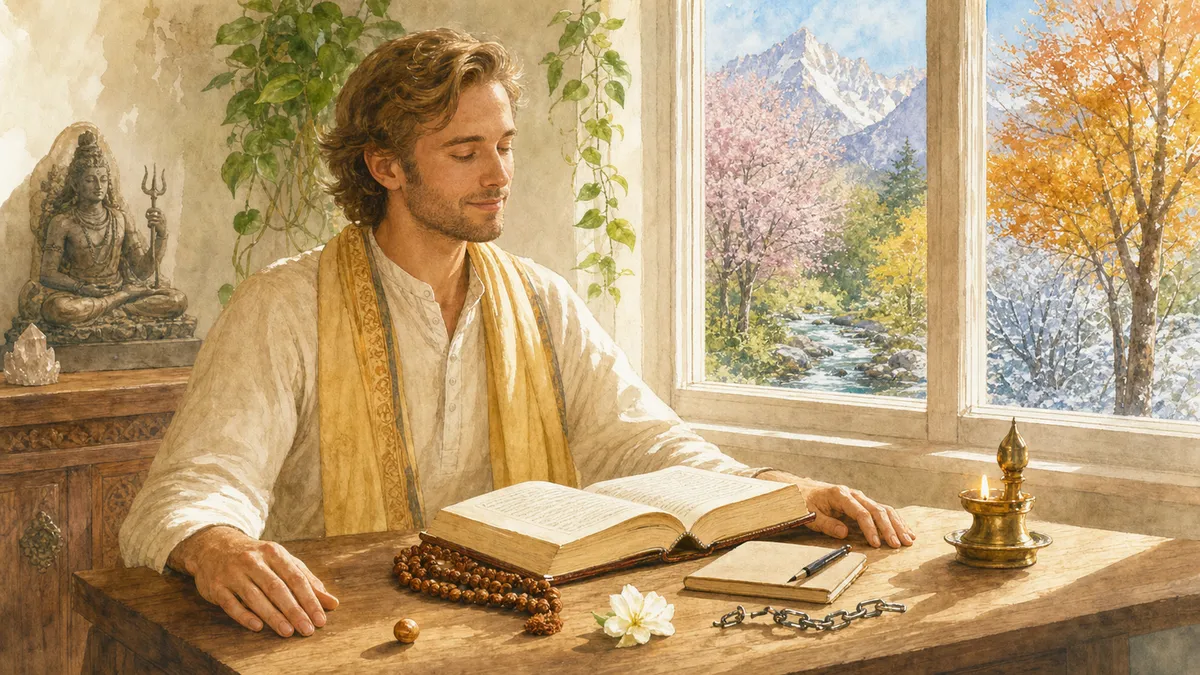
Constantly contemplate the Four Awakenings:
- impermanence;
- the law of karma;
- precious human birth;
- the suffering caused by limitations.
Do not be careless in practicing the Dharma. Whether you are a layperson or a monk, the destinies of all people are the same.
Perform the foundational practices diligently every day, without laziness. Practice concentration and all the practices you have received.
Follow the established course of training. Be as diligent as a young wife entering the home of her husband’s parents.
Do not spread yourself too thin or mix the teaching with other lineages and traditions.
Other lineages and traditions are also good, but if you want to succeed, you need to become a master in a particular field. If you try to play the violin, saxophone, drums, and piano all at once, you are unlikely to be able to play any of them well. The same applies to the teaching.
Preserving the Lineage and Studying Texts

Preserve the lineage as it is transmitted to you. The lineage comes from saints and siddhas, not from ordinary people.
Receive confirmations.
Free yourself from information that scatters the mind. Absorb only spiritual information if you want spiritual growth.
If you do not want it, that is up to you. You always have the free will given to you by God. No one can make decisions for you on the spiritual path; you possess personal free will.
Study the foundational texts, clarifying the Teaching until they are on your tongue, in your thoughts, and in your heart.
Without knowing the foundational texts, you will remain confused about the teaching, make mistakes, and waste many years—twenty, thirty, or fifty. For Being, five thousand years is nothing, but for you, even ten years is a long time.
Intensive Practice and Retreats
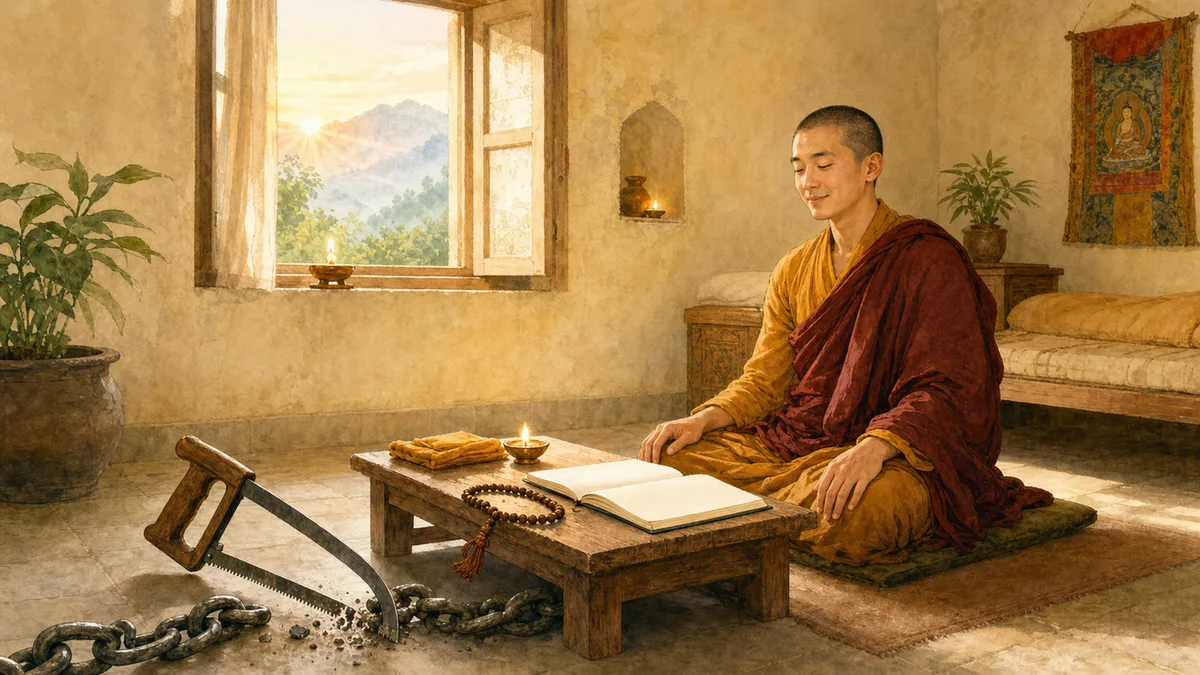
In the future, plan either a retreat or a period of monastic life, even if only for a month, six months, a year, or three years.
Without intensive practice, it is impossible to achieve results in any status.
In your practice, always rely on an elevated, joyful state of devotion, on a loving, happy, and free state.
Respect your path and the teaching.
Do not allow yourself to associate with those who speak ill of the Dharma or your spiritual path. Say that your Dharma, your spiritual path, is something you value and respect, and ask others to respect your spiritual path as well if they wish to associate with you.
Do not disclose the secrets of the teachings and practices unless you are authorized to do so.
Undertake retreats on your own and try to enter the monastic discipline of retreats; then you will derive immense benefit.
Be persistent in your training; day and night, you must saw through the chains of samsara.
Relationships and Detachment

As disciples of the same teacher, support one another, freeing yourselves from selfishness and regarding the principle of harmony in relationships as a personal practice.
Even while living in the world, remain detached from everything worldly; do not become attached to it. Play your role, but no more than that. If you cannot do this, you will not be able to achieve anything.
Abandon all goals and plans outside spiritual life if you seek awakening.
If you want God and God alone, desire Him truly. Goals and plans outside spiritual life are like dreams and mirages.
Maintain genuine contact with those who follow the spiritual path, especially with those who are more advanced than you.
Find secluded places outside the city and meditate there, or practice walking contemplation.
Do not look to others; your destiny is your own destiny.
When you die, neither your friends nor your relatives nor your loved ones will be able to go with you; even your teacher will not be able to follow you. All that remains with you then is your meditative experience, your ability to meditate, the merits you have cultivated, and your pure consciousness. Therefore, you should not look too much to others. Think this way: “Whatever happens, I am moving forward!” On the path, you must be fearless and unafraid to challenge your own limitations.
Pure Vision and Humility
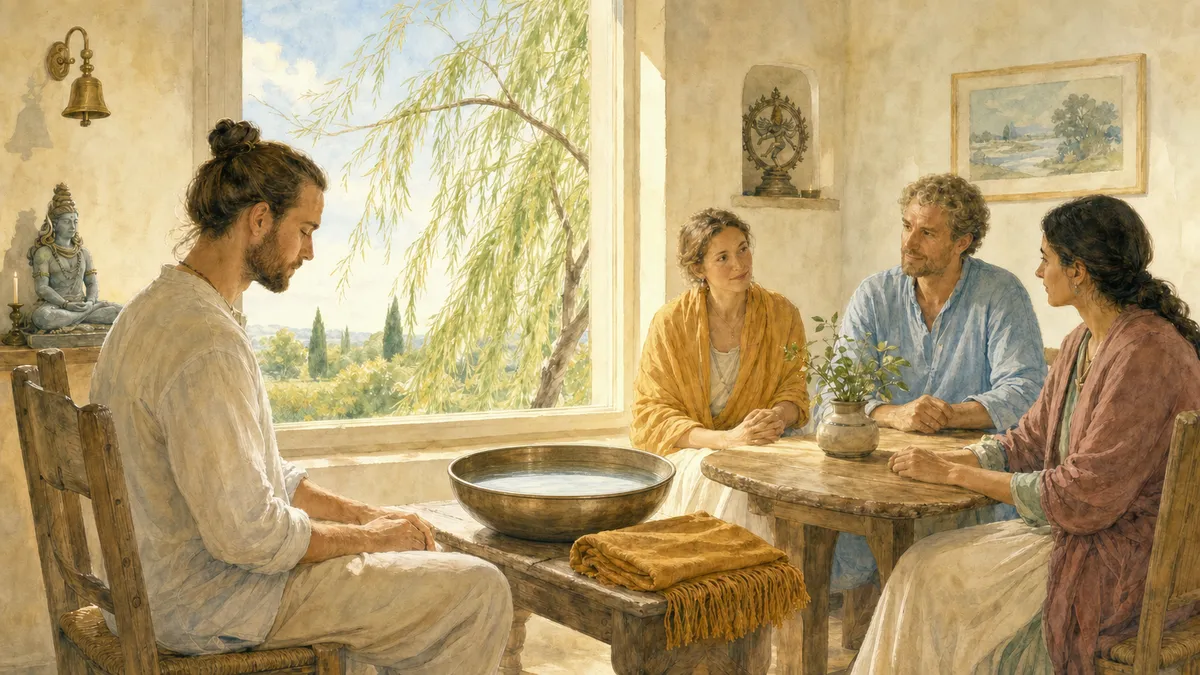
Do not judge or criticize anyone.
Look at everything, especially whatever is connected with the Dharma, through the eyes of “pure vision.” If you judge or criticize someone, think: “Could the element I am criticizing be a part of myself? Perhaps I simply need to change my consciousness?”
In your practice, cast aside pride and conceit whenever they arise; do not think of yourself as a great practitioner.
Even if you consider yourself a great practitioner, your true spiritual level is visible to others and is not difficult to recognize, so it is better to be modest.
Do not impose your views on others. Always be tolerant of the views of others, even if they are radically opposed to your own; simply be flexible.
Closeness to the Teacher and Making Practice More Challenging
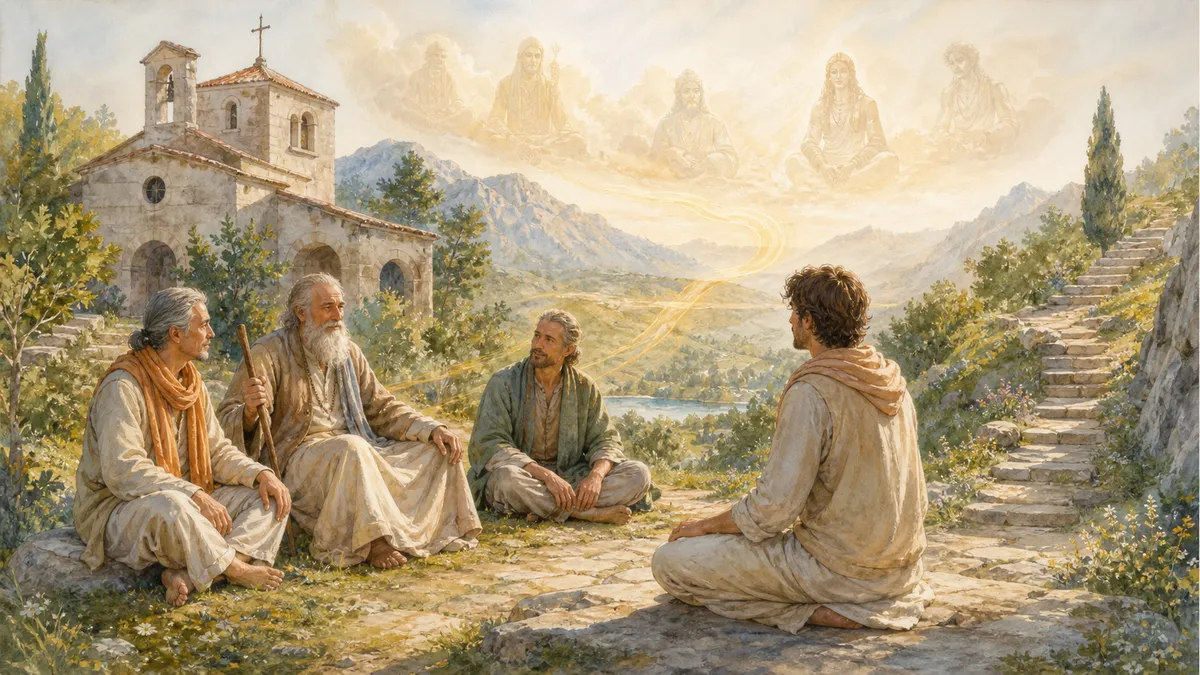
Try to be as close as possible, and as often as possible, to the teacher, the monastery, and experienced practitioners.
If you cannot do so physically, then at least do so in your consciousness—this is Guru Yoga. If you remain distant, you will not enter the transmission lineage, and the secrets of the teachings will remain closed to you, even if you practice for fifty years.
Take the holy siddhas and their lives as ideals to emulate.
Do not try too hard to simplify the Dharma or adapt it to suit yourself. On the contrary, when you are given assignments, think about how to make them more difficult in order to challenge your abilities.
That is, set yourself more difficult goals and tasks, not easier ones. If you seek easy paths, you will not attain what you desire.
Practical Recommendations
Observe complete silence, mauna, at least once a week.
Spend at least one or three days a month in secluded retreat, doing three or four meditation sessions a day, as well as walking and practicing techniques daily.
Guard prana like a precious jewel; accumulate it by purifying the channels.
Work in a place conducive to spiritual practice, where your consciousness is not polluted, where conditions are favorable, and where there is little social interaction and bustle.
These are the “Pith Instructions of the Old Woman.”
