

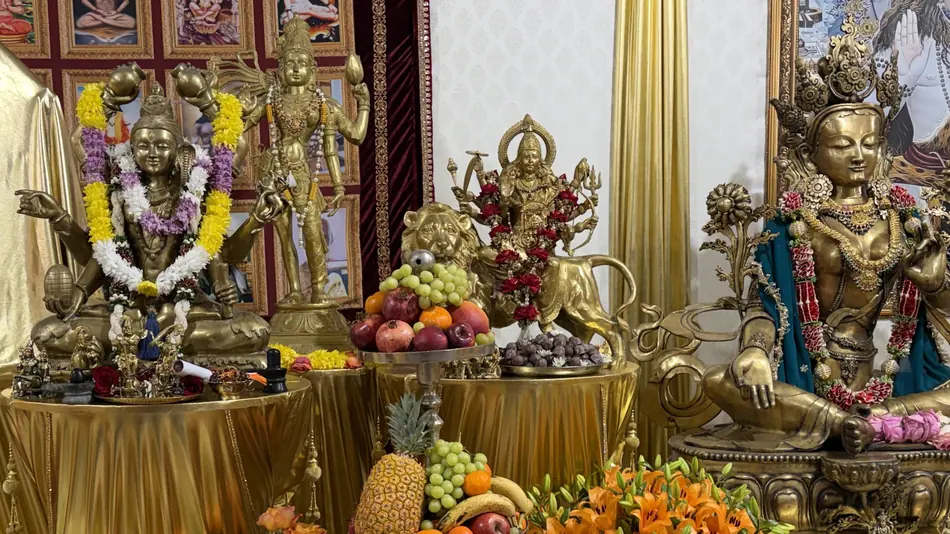
In Sanatana Dharma, deities are understood as different manifestations of one Divine Reality. The One Absolute reveals itself to the human being in a multitude of names, forms, and qualities, so that the soul may enter into a living connection with Him through worship, mantra, meditation, and inner contemplation.
Therefore, this is not about “many gods” in the everyday sense, but about many sacred forms of the One. For a beginner, this is a way to build a personal relationship with the Divine. For a mature practitioner, it is a way to see the same Consciousness in all forms of the world.
Ishta-devata, the Chosen Form of the Deity
Ishta-devata (Sanskrit: iṣṭa-devatā) means a chosen, inwardly close form of the Deity. Through it, the practitioner deepens devotion, gathers the mind, and strengthens the spiritual connection. Ishta-devata makes the formless Absolute closer to the heart and more accessible to sadhana.
The Guru's teaching emphasizes that when the mind is not yet capable of sustaining unwavering contemplation, reliance on a deity, mantra, visualization, and worship becomes a necessary part of the path. In this case, the deity is not simply a symbol of God, but a firm spiritual support through which faith, pure perception, and inner strength are revealed.
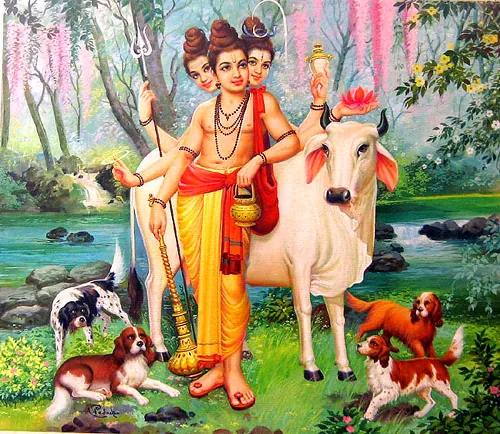
“If nirguna-bhakti, self-surrender in this spirit, is difficult for you, then you can attune yourself to Dattatreya, who contains within Himself Shiva, Brahma, and Vishnu.” — Swami Vishnudevananda Giri
Trimurti, the Three Great Functions of the One
The Trimurti (Sanskrit: trimūrti), the triune manifestation of Divine Reality as the creation, maintenance, and dissolution of the world, occupies a crucial place in the understanding of divine forms. These divine functions are traditionally personified in Hinduism as Brahma, Vishnu, and Shiva.
Brahma
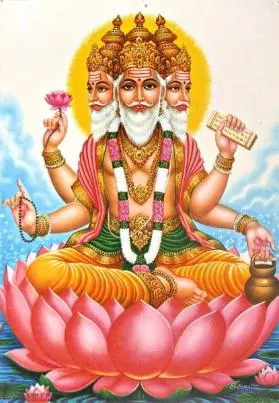
Brahma is associated with the emergence of the universe, the beginning of the creative cycle, the emergence of form, time, and cosmic order. It is the creative aspect of the Divine, through which the unmanifest becomes manifest.
Vishnu
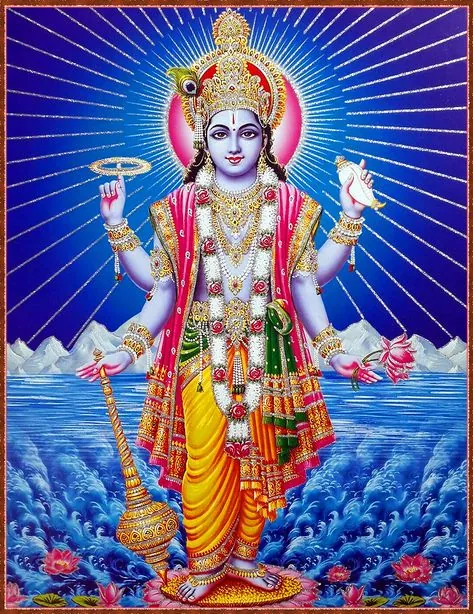
Vishnu expresses the preserving and sustaining power. He is associated with the protection of dharma, the maintenance of the world’s balance, and the grace that accompanies the soul on the path of spiritual development. Through His avatars, such as Rama and Krishna, Vishnu reveals the Divine’s care for the destiny of the world.
Shiva
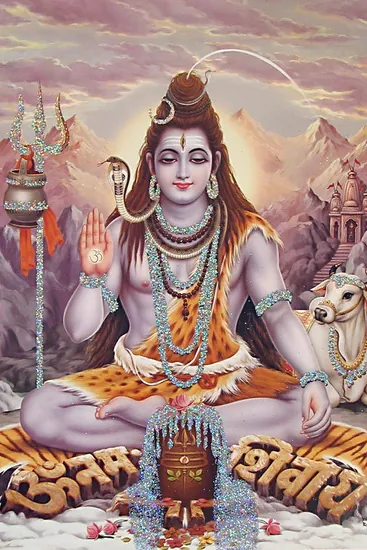
Shiva reveals the transforming and liberating side of the Divine. He destroys not life itself, but ignorance, false identifications, and limitations. In Shaivite traditions, Shiva is revered as the Supreme Reality, as the inner Self of all beings, and as the Lord in whom the five cosmic acts are performed: creation, preservation, dissolution, concealment, and the bestowal of grace.
“He creates. He preserves. He destroys. He conceals. He does all this, and then grants mukti — He, the all-pervading Lord.” — Tirumantiram
These three forms are not opposed to one another. In spiritual understanding, they express different aspects of the action of one and the same Divine Consciousness.
Shakti, the Living Power of the Divine
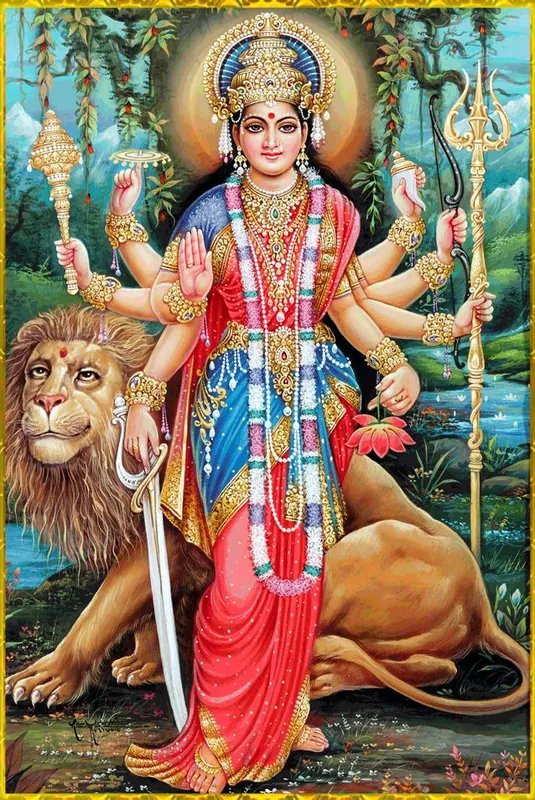
Alongside the worship of deities in male form, the tradition deeply reveres Shakti (Sanskrit: śakti), the Divine Power, without which neither creation, nor the preservation of the world, nor spiritual transformation is possible. If Shiva is understood as pure Consciousness, then Shakti reveals His dynamism, the power of manifestation, wisdom, protection, beauty, and compassion.
The various goddesses—Saraswati, Lakshmi, Parvati, Durga, Kali, Tripurasundari, Gayatri—are not separate cults. Each of these forms reveals a particular aspect of the Divine Power. Saraswati is associated with knowledge and speech, Lakshmi with harmony and well-being, Durga with protection and victory over lower forces, Kali with the destruction of ego and time, and Tripurasundari with supreme beauty and the mystery of the unity of the universe.
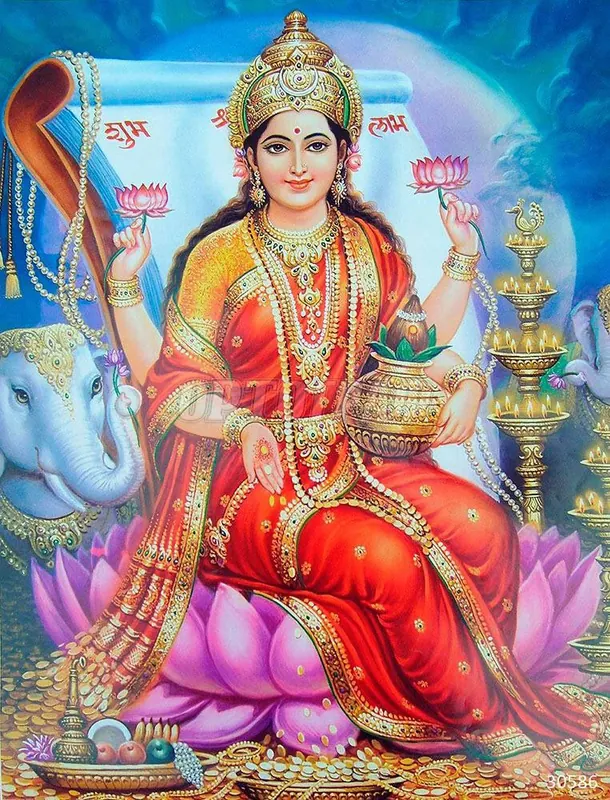
For a practitioner who worships Shakti, this is not only an appeal to the Divine Mother, but also the recognition that the entire path of sadhana is accomplished through grace and the inner power of awakening.
Ganesha and Other Especially Venerated Deities
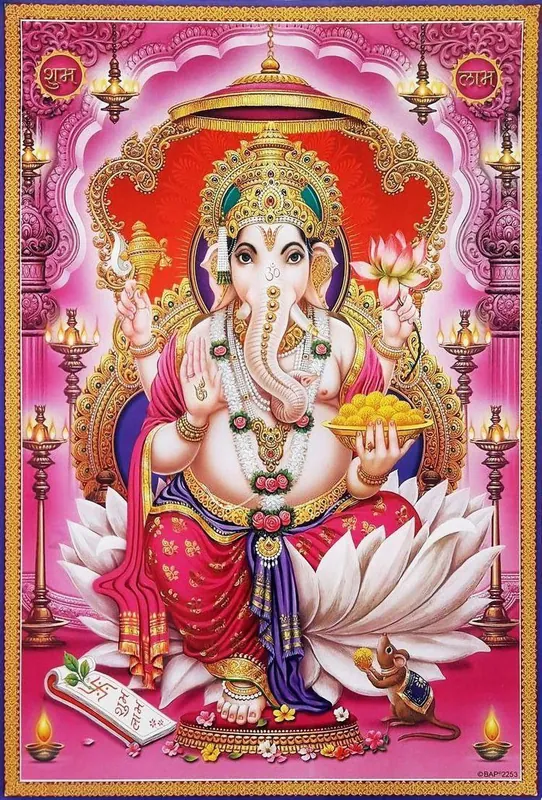
Among the widely venerated divine forms, Lord Ganesha holds a special place. He is invoked at the beginning of spiritual undertakings, rituals, studies, and important life endeavors. He is revered as the remover of obstacles, the patron of a proper beginning and an auspicious completion of a task.
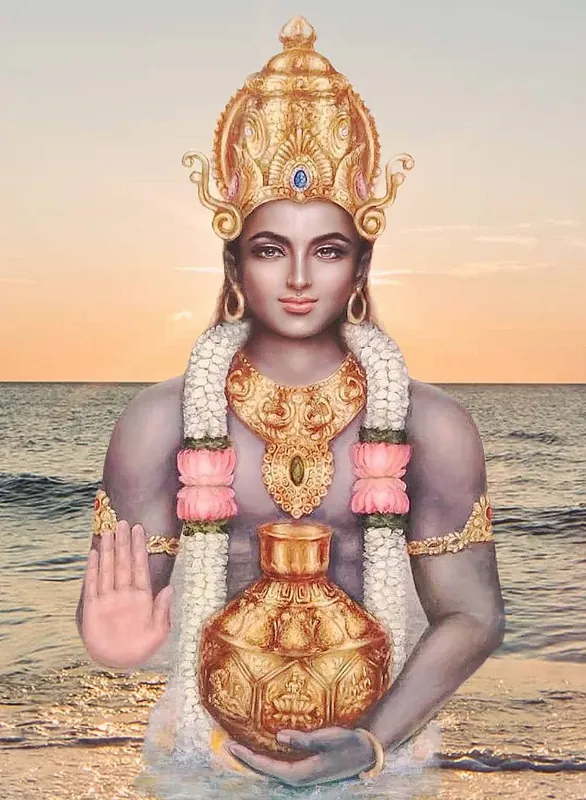
The tradition also honors other forms of the Divine associated with different aspects of spiritual life. For example, Dhanvantari is associated with healing and Ayurveda, Hanuman with the power of devotion and self-surrender, Surya with the radiance of consciousness and inner clarity. This diversity shows the richness of the manifestations of the One in human life.
Dattatreya in Our Tradition
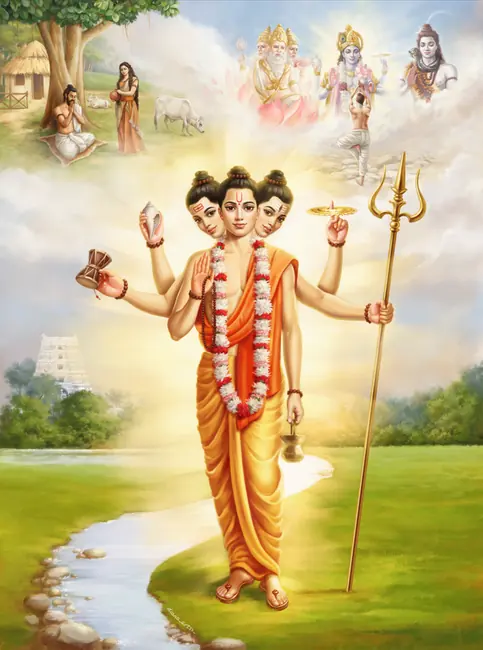
In the tradition with which our path is connected, Shri Avadhuta Dattatreya holds a special place. He is revered as a great form that unites within itself the powers of Brahma, Vishnu, and Shiva, and as the Adiguru, the primordial teacher, who reveals the unity of knowledge, yoga, renunciation, and divine freedom.
Therefore, Dattatreya is especially important for those who seek to unite devotion and the non-dual view. In Him is revered the universal form in which the integrity of the Divine path is revealed. Through Him, the practitioner learns to see that the difference of names and images does not destroy the unity of Truth.
“Vishnu and Dattatreya are one, Brahman and Dattatreya are one. Brahman can manifest as Shiva, Brahma, Vishnu; all of this is Dattatreya.” — Swami Vishnudevananda Giri
Worship of Deities and Spiritual Practice
External worship in Sanatana Dharma — Puja, mantra, offering, contemplation of an image, recitation of hymns, and visualization of the deity — are needed for the purification of the mind, the deepening of devotion, and the gradual revelation of the inner presence of God.
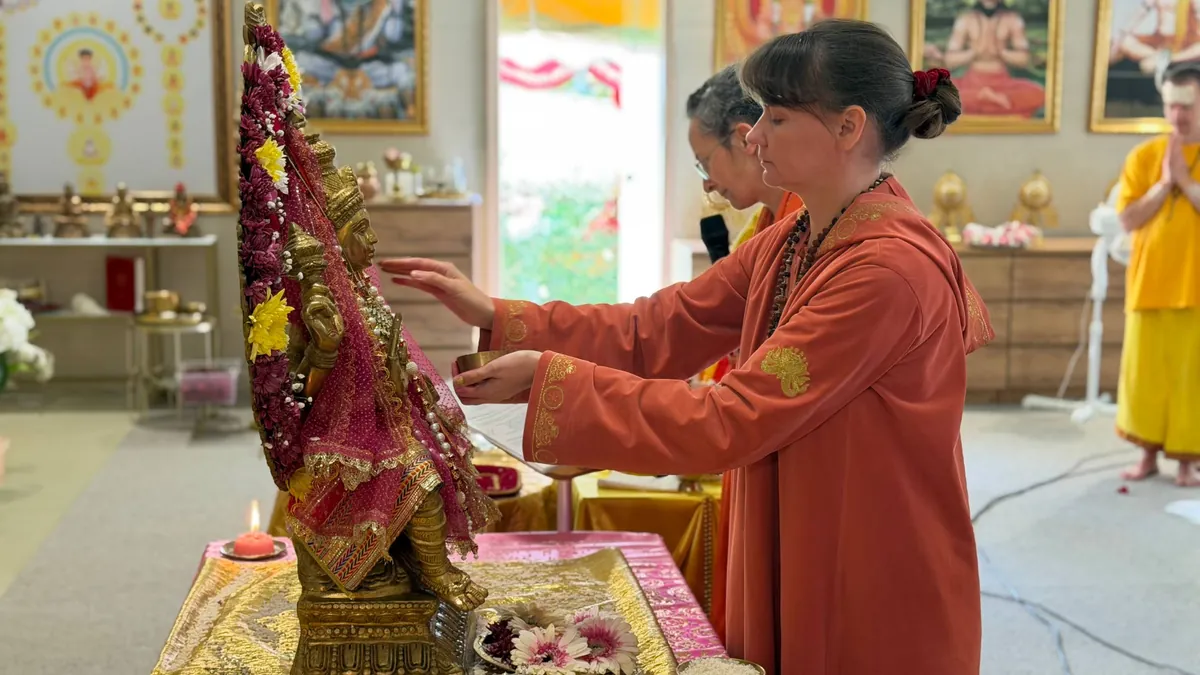
When a person turns to the Divine with faith, consciousness ceases to be closed in upon its own ego. Through worship, one learns humility, love, gratitude, and inner collectedness. Thus the deity, from an external image, gradually becomes an inner reality of spiritual experience.
“Love for the feet of Shiva destroys bad karma. Love for the feet of Shiva fills the heart with joy. Love for the feet of Shiva is consciousness itself.” — Natchintanai
From the Diversity of Forms to the Realization of the One
The meaning of worshiping deities is not to remain forever at the level of external distinction between forms, but to come through these forms to the experience of the One. At first, the mind needs an image, a name, a symbol, and a sacred gesture. Then, as sadhana deepens, understanding comes: all forms point to one Divine Truth.
Therefore, in mature spiritual vision, the worship of Brahma, Vishnu, Shiva, Shakti, Ganesha, or Dattatreya does not contradict the non-dual teaching. On the contrary, it becomes its natural expression. The multitude of divine forms does not distance one from the Absolute, but helps a person draw closer to Him in the way that corresponds to their nature, karma, and inner maturity.
Thus Sanatana Dharma leads the soul from reverence before the sacred form to the realization of the infinite Divine presence in everything.
