

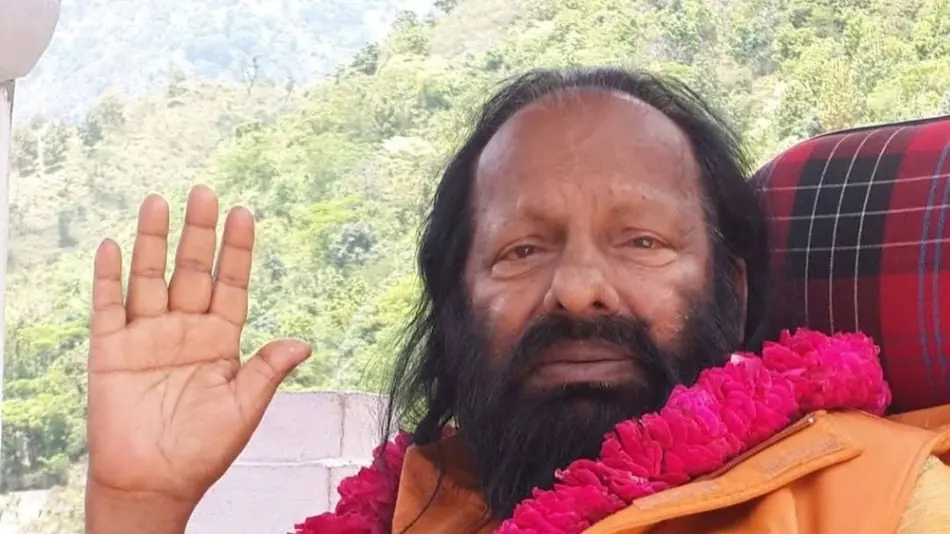
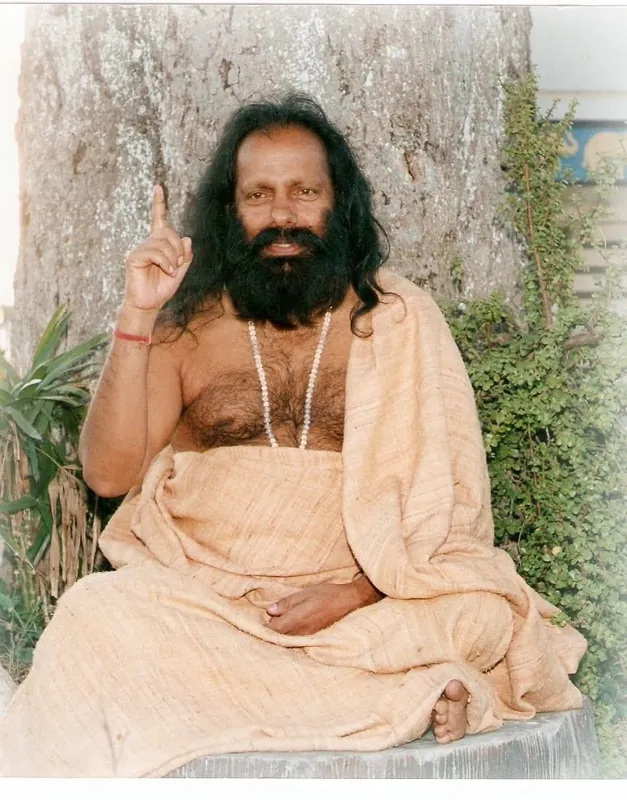
In the history of India’s Spiritual Teachers, figures are rarely encountered who can embody such a dramatic transformation — from a combat fighter pilot, a defender of the homeland in three wars, to an Enlightened Yogi-Siddha who possesses the most ancient secrets of Samadhi. Mahayogi Pilot Babaji, also known as Swami Somnath Giri Ji Maharaj, became a living bridge between the world of action and the world of contemplation, between the Dharma of the Kshatriya (warrior) and the Dharma of the Sannyasin (renounced sage). His life is not merely the biography of an outstanding Spiritual Teacher, but a living testimony to how divine grace can transform human existence, turning it into an instrument of the Highest Purpose.
Chapter I: Birth and Early Years — Kapil Singh
Origins
On July 15, 1938, in the city of Sasaram, located in the Rohtas district of the state of Bihar, a boy was born into the family of Raj Tapeshwari Devi and was named Kunwar Lallan, better known as Kapil Singh. The family belonged to the Sikh community — a tradition that nurtures in its sons the qualities of a warrior, a protector of Dharma, fearlessness, and devotion to duty. No one at that time could have foreseen that this infant would become one of the greatest spiritual beacons of modern India, uniting within himself the strength of a kshatriya and the wisdom of a rishi.
From an early age, Kapil displayed extraordinary intellectual abilities. He mastered the sciences with ease, demonstrating a particular inclination toward chemistry. After finishing school, he entered the prestigious Banaras Hindu University (BHU — Banaras Hindu University), where he received a master’s degree in organic chemistry (M.Sc. in Organic Chemistry). This academic path testified to his analytical mind, rigor of thought, and ability to penetrate the essence of things — qualities that would later manifest in his spiritual practice and teaching.
The Call of the Sky: Becoming a Combat Pilot
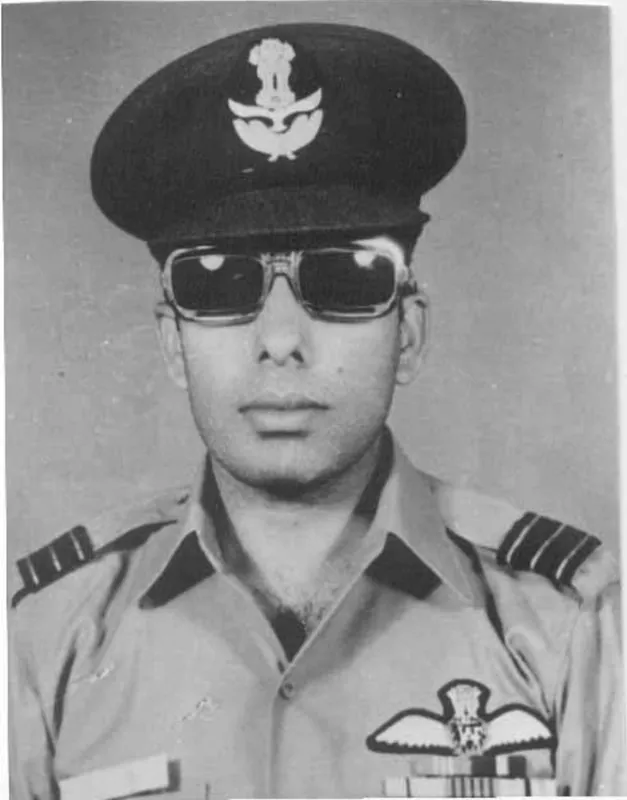
Despite the brilliant academic future that lay before him in the field of science, young Kapil Singh felt a different call — the call to serve his homeland. In 1957, at the age of 19, he made a decision that would define the next stage of his life: he joined the Indian Air Force and trained as a combat fighter pilot.
It was a period of tension in the region. India, having gained independence only a decade earlier, was facing serious external threats. Kapil Singh became one of the young pilots destined to stand in defense of the country’s sovereignty. His career developed rapidly: he demonstrated outstanding skills in flying fighter aircraft and attained the rank of Wing Commander.
Kapil Singh became especially renowned for his mastery of flying at extremely low altitudes — a technique requiring absolute concentration, fearlessness, and exquisite command of the aircraft. His flights so low above the ground made it possible to avoid detection by enemy radar, which was critically important in combat conditions. These achievements were entered into the Guinness Book of Records. For his valor and skill, he was awarded India’s highest military honors: the Shaurya Chakra (Shaurya Chakra — an award for valor), the Vir Chakra (Vir Chakra — an award for bravery), and the Vishisht Seva Medal (Vishisht Seva Medal — for distinguished service).
Chapter II: Wars and Mystical Interventions — Meeting Hari Baba
Three Wars
Fate had prepared Wing Commander Kapil Singh to take part in three of the largest military conflicts through which independent India passed:
The Sino-Indian War of 1962 — a conflict in the NEFA (North-East Frontier Agency, now Arunachal Pradesh) region and Ladakh over disputed territories along the border. Kapil Singh took part in combat sorties on the northeastern frontier, where his squadron provided air support to ground troops in harsh Himalayan conditions.
The Indo-Pakistani War of 1965 — the first major conflict with Pakistan, which began in the disputed region of Kashmir and spread to the border along West Pakistan. Pilot Babaji carried out low-altitude raids on Pakistani positions and airfields, and his flights over Pakistani cities entered the military chronicles.
The Bangladesh Liberation War of 1971 — a conflict as a result of which East Pakistan gained independence as Bangladesh. It was a war in which India’s involvement brought victory and liberation to millions of people. Through all these conflicts, Kapil Singh passed as an experienced and fearless warrior. Yet it was precisely in the crucible of war, amid death and destruction, that events began to occur which would completely change the trajectory of his life.
Miraculous Salvation: The Appearance of Hari Baba
The key turning point was an incident during the Sino-Indian War of 1962. Kapil Singh was on a combat sortie in the NEFA border area. In the midst of the operation, the engine of his fighter suddenly failed, and the aircraft began to fall. All communication systems with the base were lost. The control tower lost his signal. The command had already written the pilot off, considering him dead — there was virtually no chance of surviving the crash of a fighter jet in mountainous terrain.
But at that critical moment, when death seemed inevitable, something beyond ordinary understanding occurred. As Pilot Babaji himself later testified, in the cockpit of the falling aircraft, the figure of a yogi materialized before him — it was Hari Baba, a Himalayan siddha who had secretly guided his life since childhood, appearing to him from time to time and each time asking for two rupees.
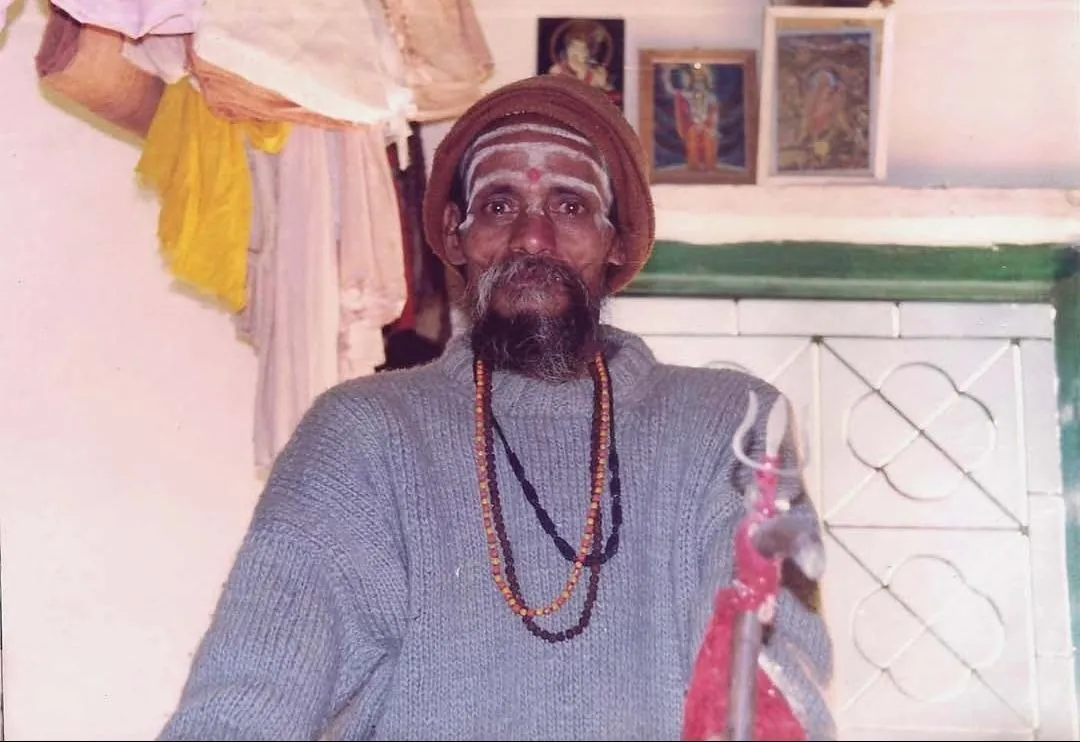
Hari Baba miraculously took control of the aircraft and landed it at an alternate airfield. When Kapil Singh, shaken and trembling, climbed out of the cockpit, he understood that he had experienced not merely a technical miracle, but direct divine intervention. This was neither the first nor the last instance of such mystical rescue — throughout his military service, Hari Baba appeared to him at critical moments, protecting and guiding him.
These events opened Kapil Singh’s eyes to the existence of a reality deeper than the material world in which he lived. Questions about the nature of life and death, the meaning of existence, and the mysteries of human consciousness began to torment him. He realized that his true destiny lay not on the battlefield, but in the realm of spiritual search.
The Decision: to Leave the World
In 1972, at the age of 33 (the symbolic age of Christ, and of the Buddha at the time of enlightenment), Squadron Leader Kapil Singh made a fateful decision: he resigned from the Indian Air Force, left behind a brilliant career, awards, and social status, and set out in search of his mysterious savior — Hari Baba — in the Himalayas, in order to know the mysteries that lie beyond the physical world.
Chapter III: The Himalayan Period — Transformation into Somnath Giri
Twelve Years in Desolate Places
Leaving behind everything that bound him to his former life, Kapil Singh ventured deep into the Himalayas — the sacred mountains that from time immemorial had served as the abode of yogis, rishis, and siddhas seeking the Supreme Truth far from worldly bustle. His search for Hari Baba was crowned with success — teacher and disciple met in a secluded place among the snow-capped peaks.
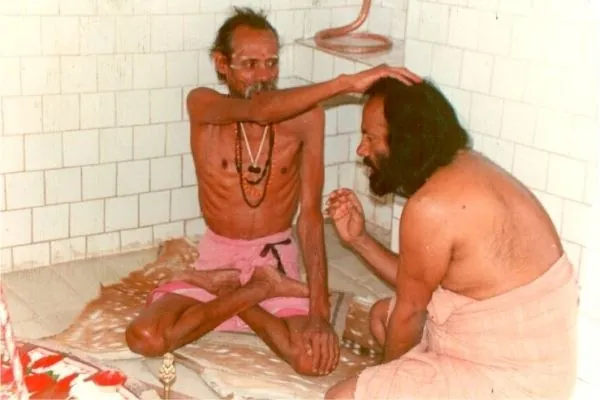
Hari Baba accepted him as his disciple and gave him a spiritual name — Somnath Giri (some sources mention that the name was also given by Vijayaraje Scindia of Gwalior). This name consists of three parts:
- Soma — the moon, the nectar of immortality, the divine drink
- Nath — lord, master (the Nath tradition is the most ancient yogic tradition of India, to which Gorakhnath and other great siddhas belonged)
- Giri — mountain, one of the ten suffixes of the Dashanami Sampradaya, indicating belonging to one of the orders founded by Adi Shankaracharya
Thus, the name Somnath Giri means “Lord of the lunar nectar from the mountain,” which symbolically points to the attainment of supreme bliss (soma-rasa) through yogic practice.
For the next twelve years (some sources indicate seven years as the main period), Somnath Giri spent his life in the most severe tapasya — ascetic practice that included:
- Meditation in caves at altitudes of 5,000 to 6,000 meters above sea level, where there is insufficient oxygen for an ordinary person and the temperature drops to extremely low levels
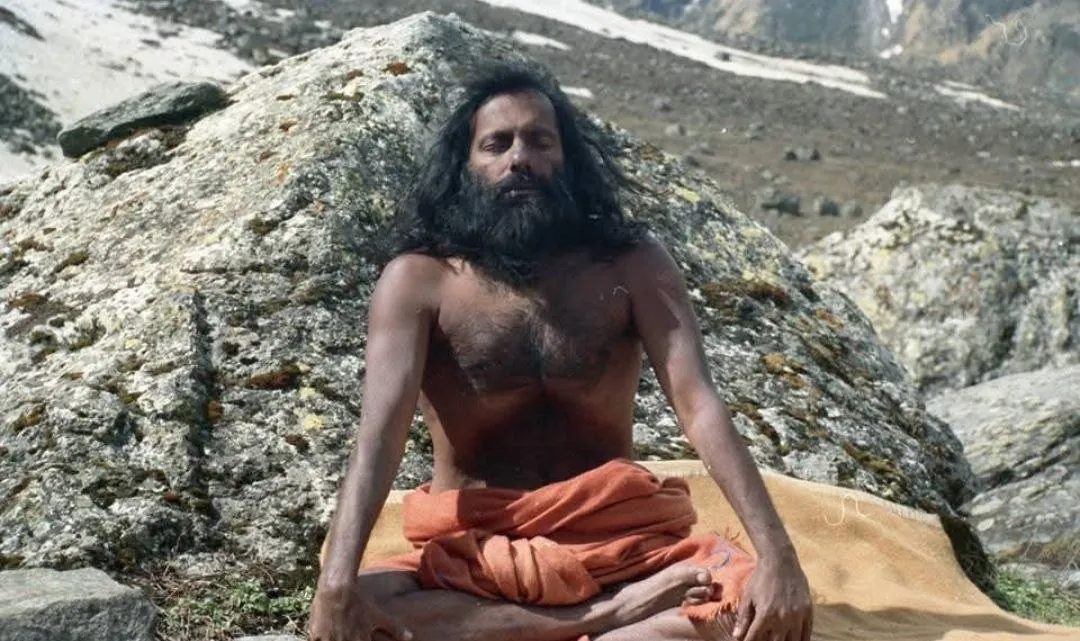
- A three-year retreat on the Pindari Glacier — one of the most inaccessible places in the Himalayas, where he practiced in complete solitude, overcoming not only physical deprivation but also the psychological trials of isolation
- Pilgrimages to sacred places: Kailash (the mountain considered the abode of Shiva), Badrinath (one of the four sacred dhams), and numerous other tirthas and siddha-pithas (places of power where great siddhas practiced)
Initiations from Great Masters
During this period, Somnath Giri received initiations (dikshas) and instructions (upadeshas) not only from Hari Baba, but also from many other great teachers. According to his own testimonies and oral tradition, he met and received teachings from:
Avatar Baba — an enlightened sage, the guru of Hari Baba, representing the ancient lineage of Himalayan siddhas
Mahavatar Babaji — the legendary immortal yogi mentioned by Paramahansa Yogananda in “Autobiography of a Yogi,” who is believed to have lived in the Himalayas for many centuries and to be the guardian of the ancient knowledge of Kriya Yoga
Lord Dattatreya — in a mystical vision. Dattatreya is a divine avatar uniting Brahma, Vishnu, and Shiva, revered as the Adi-guru of all yogis and avadhutas
Gorakhnath — one of the founders of the Nath tradition, a great siddha who attained physical immortality
Sundarnath — another mahasiddha from the Nath lineage
Ashwatthama — the legendary warrior from the Mahabharata who, according to Puranic traditions, received from Shiva the gift (and curse) of immortality and still wanders the earth. Pilot Babaji later claimed that he had met him among the Himalayan tribes
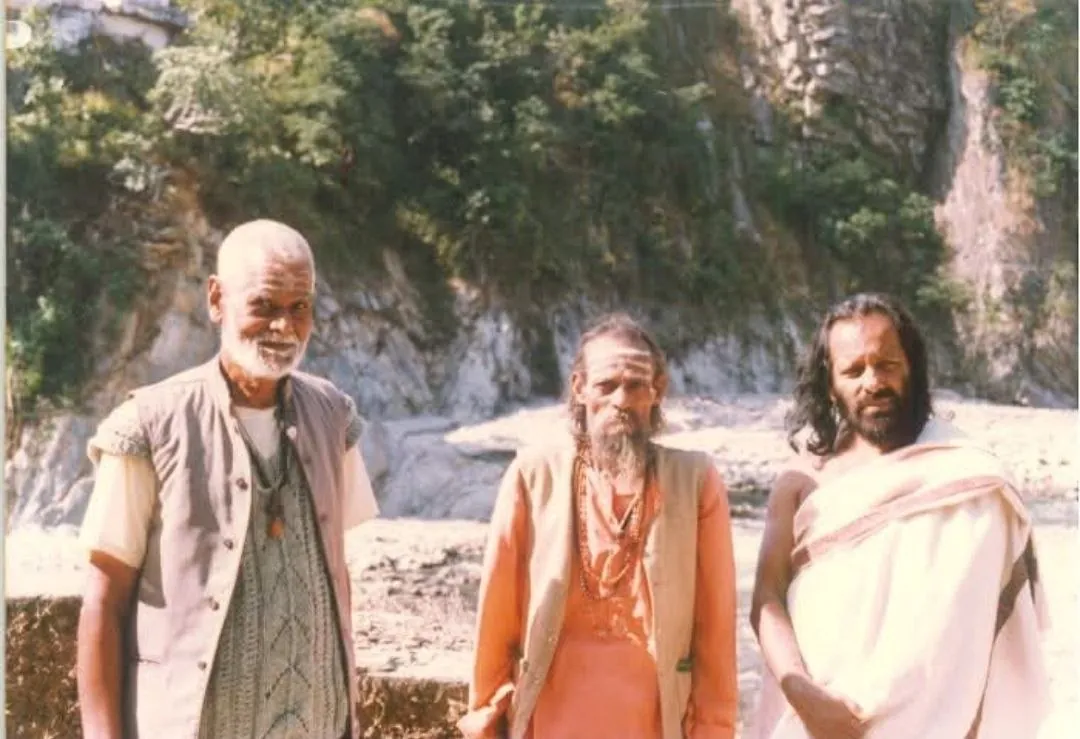
These encounters—some of which took place on the physical plane, and others in the subtle dimensions of consciousness through visions and samadhi—shaped Somnath Giri as a master possessing many lines of transmission and the deepest experience of various paths of yoga.
Attainment of siddhis — supernatural abilities
The result of this intensive sadhana was not only spiritual enlightenment—the realization of one’s true nature as Atman, non-dual with Brahman—but also the attainment of ashtamahasiddhi, the eight great supernatural abilities described in Patanjali’s “Yoga Sutras” and in the texts of the siddha tradition:
- Anima — the ability to become atomically small
- Mahima — the ability to expand to infinite size
- Laghima — levitation, overcoming gravity (the ability to become weightless and light, like vapor; levitation, the ability to move through the air).
- Garima — the ability to become infinitely heavy (the ability to increase one’s weight many times over, to become heavy like a mountain by swallowing air).
- Prapti — the ability to attain anything, teleportation (complete knowledge of the past, present, and future; the ability to penetrate anywhere, even to other planets and stars; the power to increase anything at will, for example, to feed a hundred people with one bowl of rice; the power to predict the future, read thoughts, understand the languages of other people, animals, and birds; the power to heal any disease; the fulfillment of the yogi’s desires, for example, to reach the moon and the sun. It is attained through meditation on the source of the ego (ahamkara)).
- Prakamya — the fulfillment of desires, the ability to obtain anything ( the ability to be present in all things while controlling events; the ability to realize all one’s desires, perfect acuity of mind and senses; the ability to attract distant objects).
- Ishitva — supreme dominion over nature ( the ability to become the creator of all that exists and to have complete power over both living and non-living objects of the universe; the ability to control the forces of nature and all creation by the power of will; omnipotence. Ishitva is influence over material and immaterial objects, mastery over weight, the attainment of divine power—the yogi can bring back those who have passed away. The ability to create or govern, to be the ruler of the universe and omnipotent. When we change our consciousness a little, we can also control events a little. When we have changed our consciousness greatly, we can manifest a different karmic vision to a great extent).
- Vashitva — control over the elements and beings (the ability to be omnipresent and to be at any point, the ability to control everything by thought and word; the ability to subject people and animals to one’s will; the ability to rule over the universe, create worlds, omnipresence).
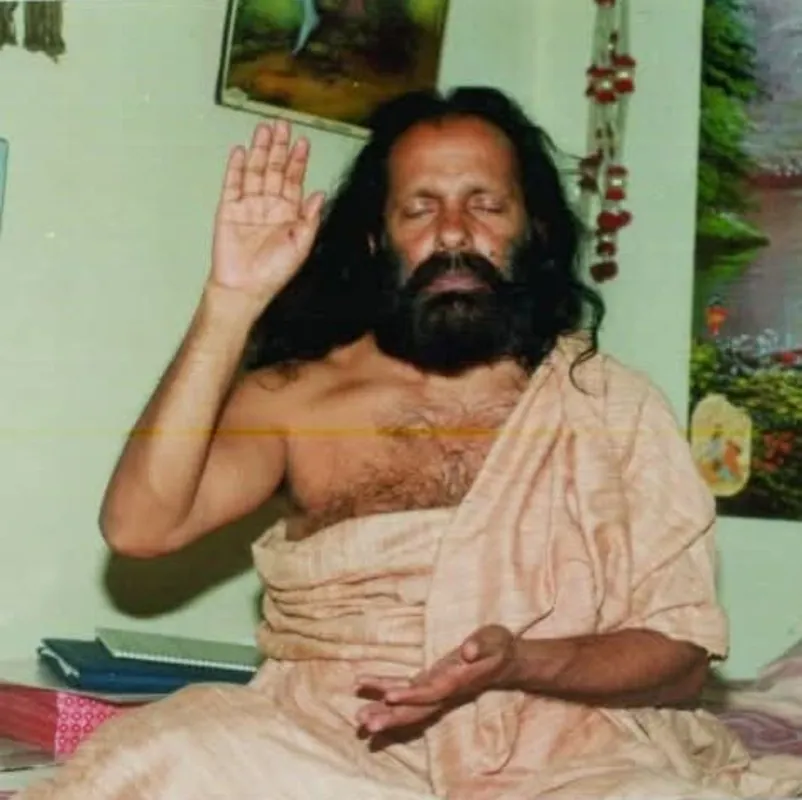
But the main siddhi he attained, and which became his “calling card,” was the ability to enter samadhi — a state of complete withdrawal from the body and mind, when vital processes slow down to such an extent that outwardly a person is indistinguishable from the dead. This is the highest yogic attainment, accessible only to realized masters.
Chapter IV: Return to the World — The Mission of Enlightenment
The Call to Serve Humanity
After twelve years of seclusion and the attainment of complete realization, Somnath Giri could have remained in the Himalayan caves in a state of eternal bliss, as many mahatmas do. However, Hari Baba gave him a different mission: to return to the world of people and carry the light of knowledge, helping humanity in its spiritual evolution.
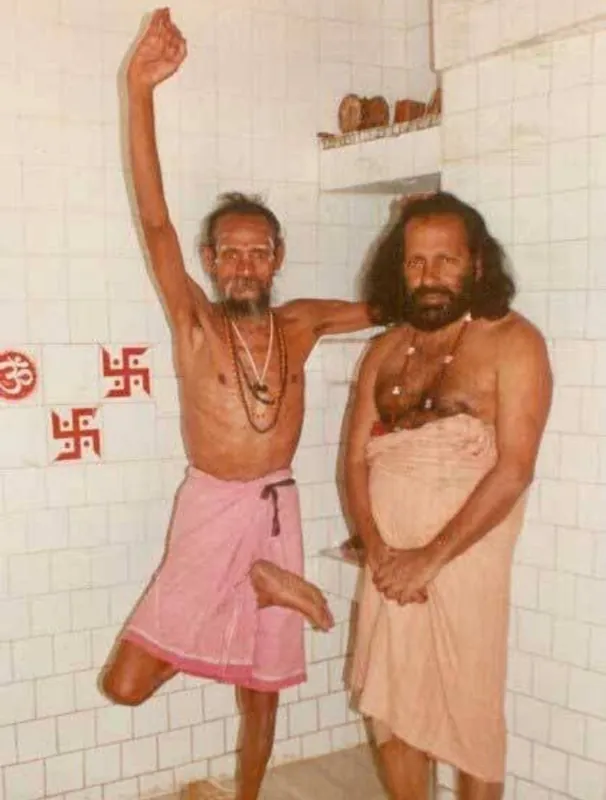
It was at this time that the nickname “Pilot Baba” became attached to him — disciples and followers began calling him this in memory of his past as a fighter pilot, which made him a unique figure: a yogi with a military past, a siddha who had passed through the crucible of war. This name emphasized the unusual nature of his path and made him more accessible to modern people, who often find it difficult to relate to traditional sadhus.
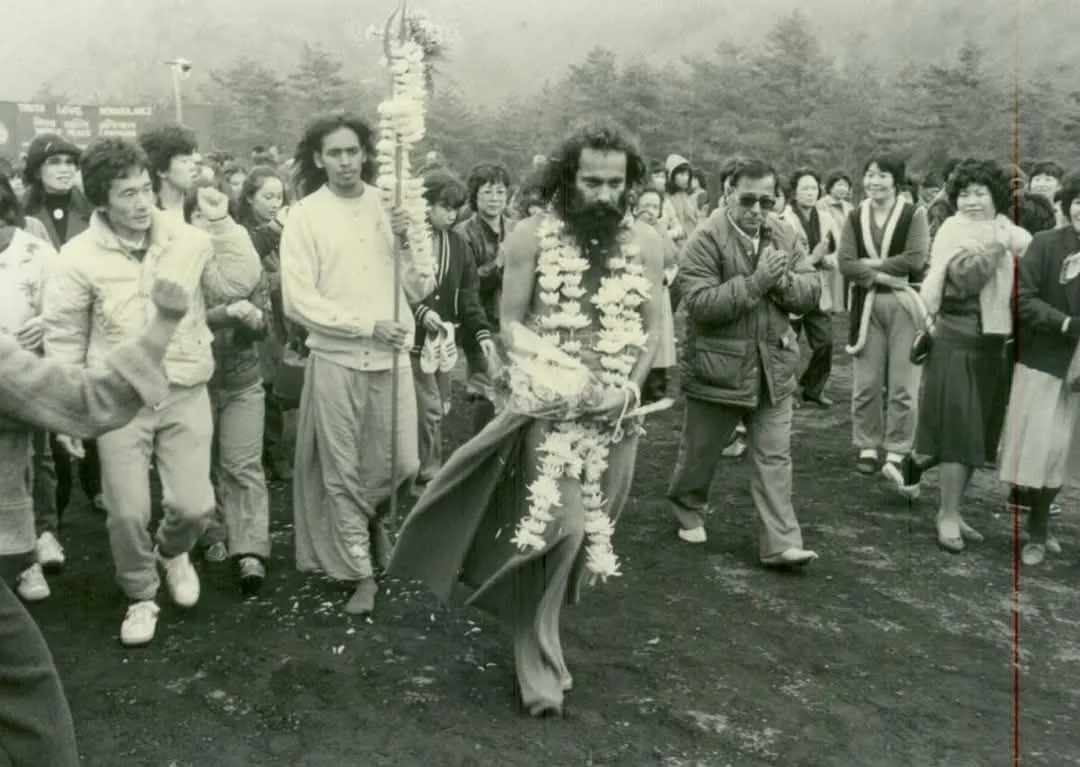
Demonstrations of Samadhi — Testimony to the Truth
From 1976, Pilot Babaji began publicly demonstrating his ability to enter samadhi before thousands of witnesses, scientists, journalists, and government officials. These demonstrations were held not for fame or sensation, but with two higher aims:
- To prove the truth of the ancient yogic texts, to show that what is spoken of in the Upanishads, the Yoga Sutras, and the tantras is not myth, but real attainments accessible through practice
To inspire people toward spiritual seeking by demonstrating that a human being is not a limited body-mind, but infinite consciousness
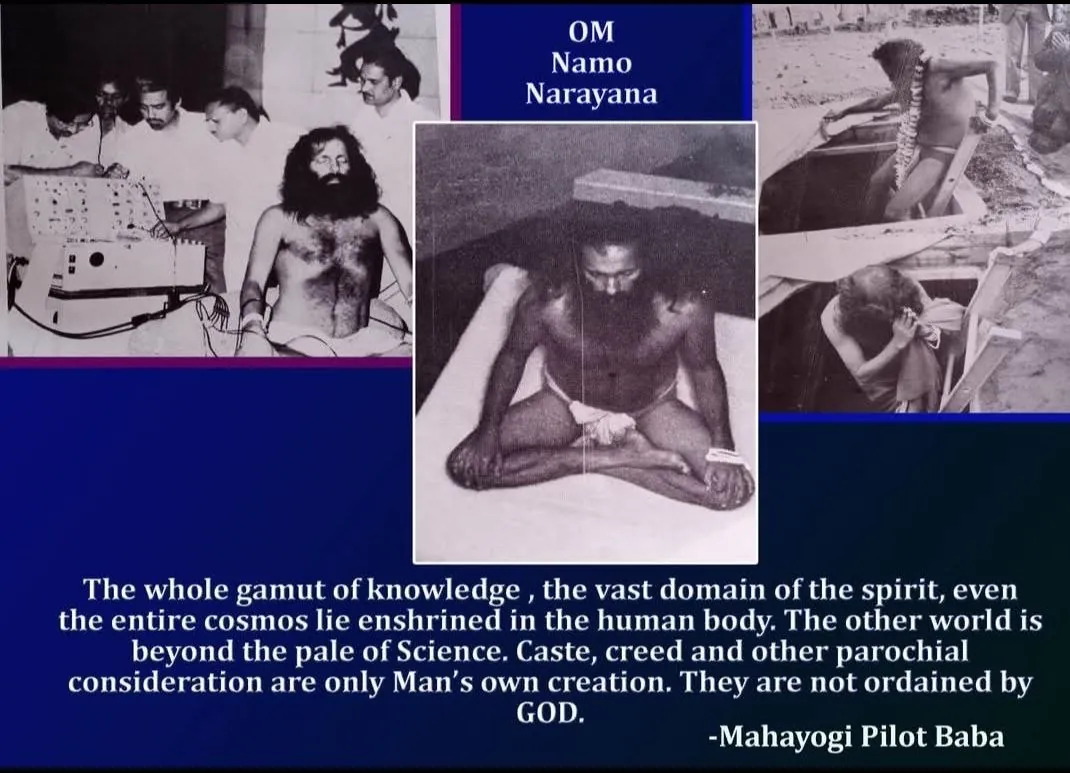
Types of Pilot Babaji’s public samadhi:
Underground samadhi (Bhumi Samadhi): Pilot Babaji was placed in a small pit or chamber underground, which was then hermetically sealed. He remained there without air, food, or water for a period of up to 33 days — a duration far exceeding any known possibilities of human survival without oxygen. When the time had elapsed, the pit was opened in the presence of many witnesses, and Pilot Babaji emerged alive, demonstrating complete control over vital processes.
Underwater samadhi (Jal Samadhi): He was immersed in water in a sealed glass cube or container and remained underwater for up to 7 days, again without breathing, demonstrating the ability to stop or radically slow metabolic processes.
Samadhi in a glass cube for NASA: At the request of NASA scientists, he entered samadhi in a sealed glass cube, where scientists could observe and measure his physiological parameters (pulse, breathing, brain activity). He remained in this state for up to 4 days, providing unique data for the scientific study of consciousness and the capabilities of the human body.
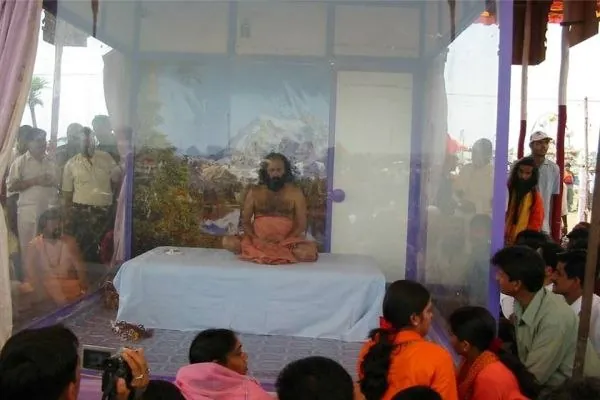
Samadhi in a ring of fire: Meditation while surrounded by flames, demonstrating imperviousness to external conditions and control over the elements.
Throughout his life, Pilot Babaji publicly entered samadhi more than 110 times since 1976, which is recorded in various documents and witnessed by thousands of people.
Especially significant were his demonstrations during the Kumbh Mela — the greatest religious gathering on the planet, held once every 12 years, when tens of millions of pilgrims gather for sacred bathing.
From 1991 to 2007, Pilot Babaji conducted 18 public demonstrations of samadhi at various Kumbh Melas across India (in Haridwar, Allahabad, Ujjain, and Nashik), including the exceedingly rare Maha Kumbh Mela, held once every 144 years, which was attended by more than 70 million people.
Chapter V: Spiritual Status and Place in the Hierarchy
Mahamandaleshwar of Juna Akhara
In recognition of his spiritual achievements and realization, Pilot Babaji was elevated to the highest spiritual rank of Hindu monasticism — Mahamandaleshwar, which literally means “Great Lord of the Universal Circle” and is analogous to the rank of archbishop in Christianity.
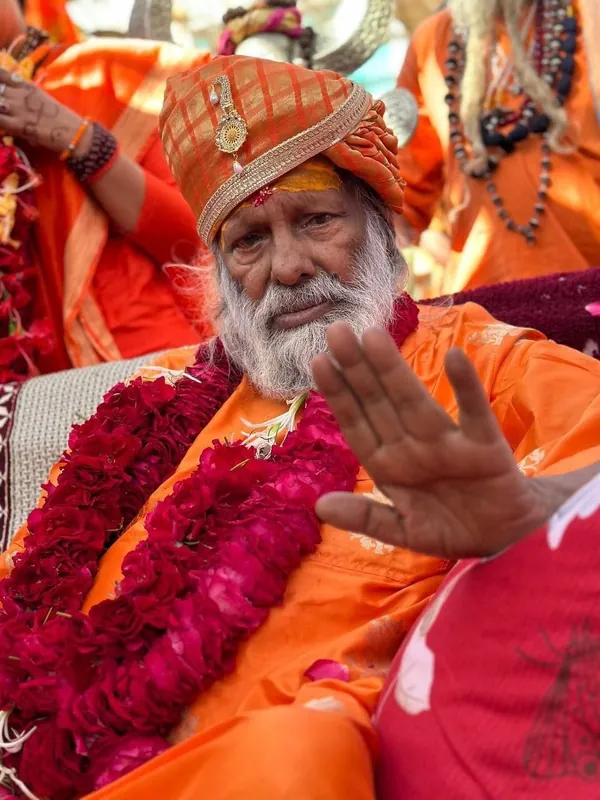
This title was bestowed upon him by Juna Akhara — the oldest and largest of all thirteen traditional monastic orders of India, founded back in the Treta Yuga by Lord Dattatreya as the Datta Akhara and reorganized by Adi Shankaracharya in the 8th century. Juna Akhara is the core of the Dashanami Sampradaya system, which unites the ten names of renunciates and preserves the traditions of Advaita Vedanta, Shaivism, and Nath Yoga.
Within the structure of the Kumbh Mela, it is Juna Akhara that holds the right to the first sacred bath (Shahi Snan — Royal Bathing), symbolizing its spiritual primacy among all akharas. As Mahamandaleshwar of Juna Akhara, Pilot Babaji led these solemn processions, in which thousands of naga sadhus (naked saints) and monks move to the sounds of conch shells and drums toward the sacred rivers.
Lineage of Transmission
According to the documents of the tradition, Pilot Babaji’s parampara (lineage of transmission) is traced as follows:
Absolute Brahman → Lord Shiva → Narayana Baba → Avatar Baba → Hari Baba (guru-siddha) → Pilot Babaji (Somnath Giri Maharaj) → further to Adi Shankaracharya and the Dashanami system
This lineage establishes Pilot Babaji as a direct bearer of the most ancient knowledge, ascending to Shiva himself, and places him at the heart of the Vedantic and Nath Yogic tradition.
Chapter VI: Philosophy and Teaching
Advaita at the Heart of the Teaching
The philosophical foundation of Pilot Babaji’s teaching is Advaita Vedanta — the doctrine of non-duality, which proclaims that:
- There exists only one Brahman — the Absolute Reality
- The individual “I” (Atman) is not different from Brahman
- The world of multiplicity is a manifestation of Maya, the cosmic illusion
- Liberation (moksha) is the realization of primordial unity: “Aham Brahmasmi” (“I am Brahman”), “Tat tvam asi” (“Thou art That”)
Samadhi as the Gateway to Truth
Pilot Babaji taught that samadhi is not simply an extraordinary ability or a trick, but the gateway to contentment and realization of the Truth. He explained:“Enlighten your consciousness, find unity among the five elements (earth, water, fire, air, ether), and samadhi will begin. Then you will be able to go beyond death. Not everyone among the disciples can grasp the method. If you are attuned, samadhi can be attained anywhere.”He emphasized that samadhi is the result of Shunya and Chaitanya — Emptiness and Consciousness, the dissolution of the ego in the Infinite. It is a state in which the individual “I” completely disappears, and only pure Awareness remains, devoid of subject-object duality.
The Unity of Religions and the Inner Path
Pilot Babaji constantly emphasized the need for respect for all religions of the world, asserting that they are all different paths to one Truth. He said:
“True self-realization of a person is possible only through undertaking one’s inner journey — because Truth (God) is not outside, but within us. A person can realize himself only through the inner journey. The difference between an ordinary person and a realized soul is that the ordinary person becomes trapped in the external world, considering it his refuge.”
This teaching resonates with all the great mystical traditions of the world — from Sufism to Christian mysticism, from Zen Buddhism to Kabbalah — all of them point to the necessity of inner seeking.
World Peace Mission (World Peace Campaign)
In the last decades of his life, Pilot Babaji actively carried out the World Peace Mission — traveling throughout the world, conducting seminars, lectures, and meditation retreats, teaching people the art of yoga, meditation, and samadhi. He believed that:“Today even politicians have a chance to look upon God and, having realized the great truths, try to help people see the light.”
He worked not only with spiritual seekers, but also with politicians, businessmen, and scientists — striving to bring a spiritual dimension into all spheres of human activity.
Chapter VII: Disciples and Followers Around the World
Yogmata Keiko Aikawa — the First Female Mahamandaleshwar
The most outstanding disciple of Pilot Babaji was Keiko Aikawa, known in India as Yogmata (“Mother of Yoga”) or Sadhvi Kaivalya Devi.
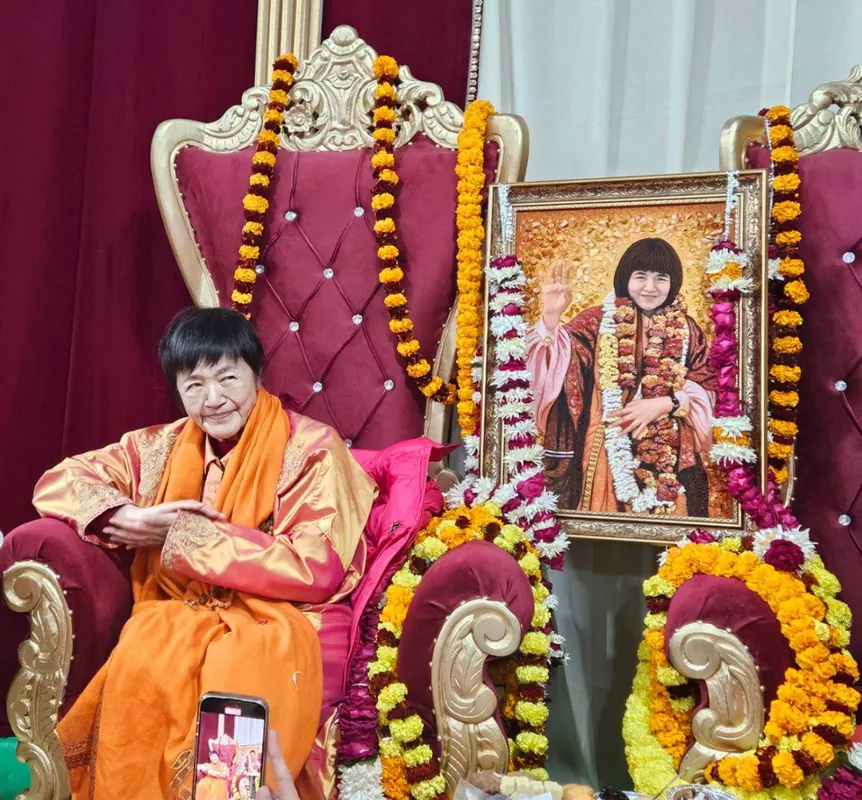
Born on May 31, 1945, in Yamanashi, Japan, into the family of a wealthy lawyer and politician, Keiko had been interested in yoga and holistic health since her youth. In the 1970s, she traveled through India, Tibet, and China, studying various schools of yoga. In 1972, she founded the General Health Institute in Tokyo, where she taught her unique yoga method — “Yoga Dance” and “Pranadi Yoga.”
The fateful meeting took place in 1984, when Pilot Babaji was invited by Japanese television for a lecture tour. Keiko, already well known in Japan’s yogic community, was invited as an assistant for the program. Pilot Babaji, seeing in her an outstanding spiritual potential, invited her to the Himalayas.
In 1985, Keiko set off for the Himalayas, where she met the great Hari Baba, who became her main teacher (Hari Baba instructed Pilot Babaji to watch this disciple closely, predicting that she was destined to inspire people and teach them the virtues of peace and love). Under the guidance of Hari Baba, with the support of Pilot Babaji, she underwent the harshest ascetic training at altitudes of more than 5,000 meters, including long periods of seclusion, fasting, and meditation in extreme conditions.
The result of this sadhana was the attainment of the final stages of samadhi — a state of complete enlightenment.
From 1991 to 2007, Yogmata conducted 18 public demonstrations of samadhi throughout India, including underground samadhi for 72–96 hours without food, water, or air.
In 2007, in recognition of her spiritual achievements, Yogmata Keiko Aikawa received from the Juna Akhara the title of Mahamandaleshwar — becoming the first woman and the first non-Indian to attain this highest status in the history of Hindu monasticism. Her full name is: Mahamandaleshwar Sadhvi Kaivalya Devi Ji (Sri Sri 1008 Sri Paribrajakaya Acharya Swamini Kaivalya Devi Giri Ji). Yogmata continues her teacher’s mission, traveling between Japan, India, and the United States, conducting meditation seminars, speaking at the UN (in 2016 and 2017 she delivered keynote speeches on peace and consciousness), and meeting with the Prime Minister of India, Narendra Modi. She founded the Yogmata Foundation — a nonprofit organization that funds mobile hospitals for remote villages in India. She has written more than 30 books, with over 1 million copies sold. In New York, she has a private dojo for advanced practice.
After Pilot Babaji’s death in 2024, it was Yogmata Keiko Aikawa who was announced as his official successor and appointed President of the Pilot Baba Ashram Trust.
Other Outstanding Disciples
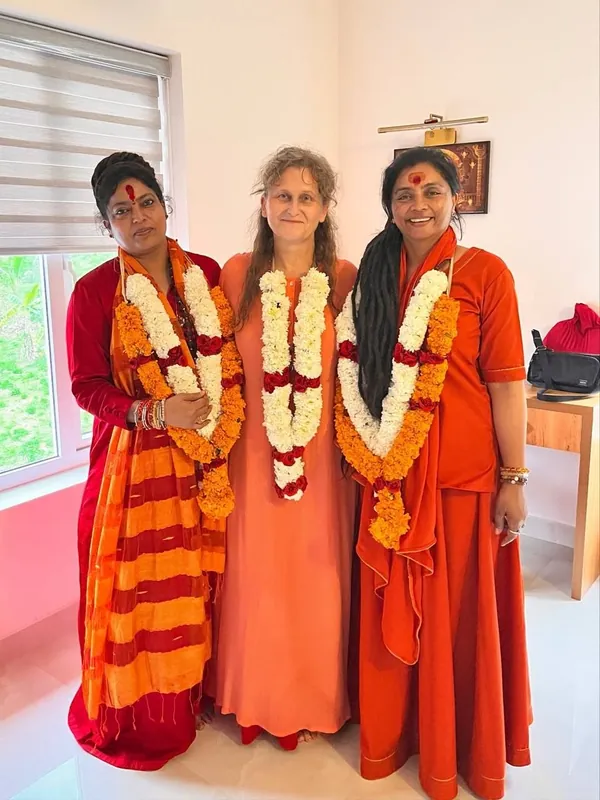
Sadhvi Chetnanand Giri — Mahamandaleshwar of the Juna Akhara, one of Pilot Babaji’s closest disciples, who together with Sadhvi Shraddha performed his final rites. She was appointed General Secretary of the Pilot Baba Ashram Trust.
Sadhvi Shraddha Giri — another Mahamandaleshwar and devoted disciple, also General Secretary of the Trust.
Swamini Ananda Lila — a monk who participated in various programs together with Pilot Babaji.
In addition to his Indian disciples, Pilot Babaji had numerous followers in Russia, Ukraine, the United States, Europe, and around the world, drawn by his teachings and living example.
Chapter VIII: The Connection with Swami Vishnudevananda Giri and the World Community of Sanatana Dharma
Dada-guru: Spiritual Brother and Senior Member of the Family
In the traditional Hindu hierarchy, there is the concept of Dada-guru — literally “guru-uncle,” that is, the spiritual brother (a disciple of the same teacher) of one’s own guru, who holds the position of a senior member in the spiritual family.
For Swami Vishnudevananda Giri, the founder of the World Community of Sanatana Dharma, Pilot Babaji occupied precisely this sacred position of dada-guru. Although Swami Vishnudevananda Giri’s direct guru was Swami Brahmananda Shiva Prabhakara Siddha Yogi, the spiritual connection with Pilot Babaji existed on the subtle plane long before their physical meeting.
Subtle-plane connection and physical meeting
As Swami Vishnudevananda Giri himself recounted, his connection with Mahayogi Pilot Babaji existed on the subtle planes of being long before their meeting in the material world. Realized souls possessing the radiant light of jnana (wisdom) and a powerful energy field (tejas) are capable of meeting and communicating on higher planes of being, without being limited by physical time and space.
When their destinies crossed in the manifested world, it was not a chance encounter, but the natural manifestation of the connection that already existed in eternity.
Kumbha Mela 2010: a historic initiation
A key moment in Pilot Babaji’s relationship with the World Community of Sanatana Dharma was the 2010 Kumbha Mela in Haridwar — the greatest religious festival, which brought together tens of millions of pilgrims from all over the world.
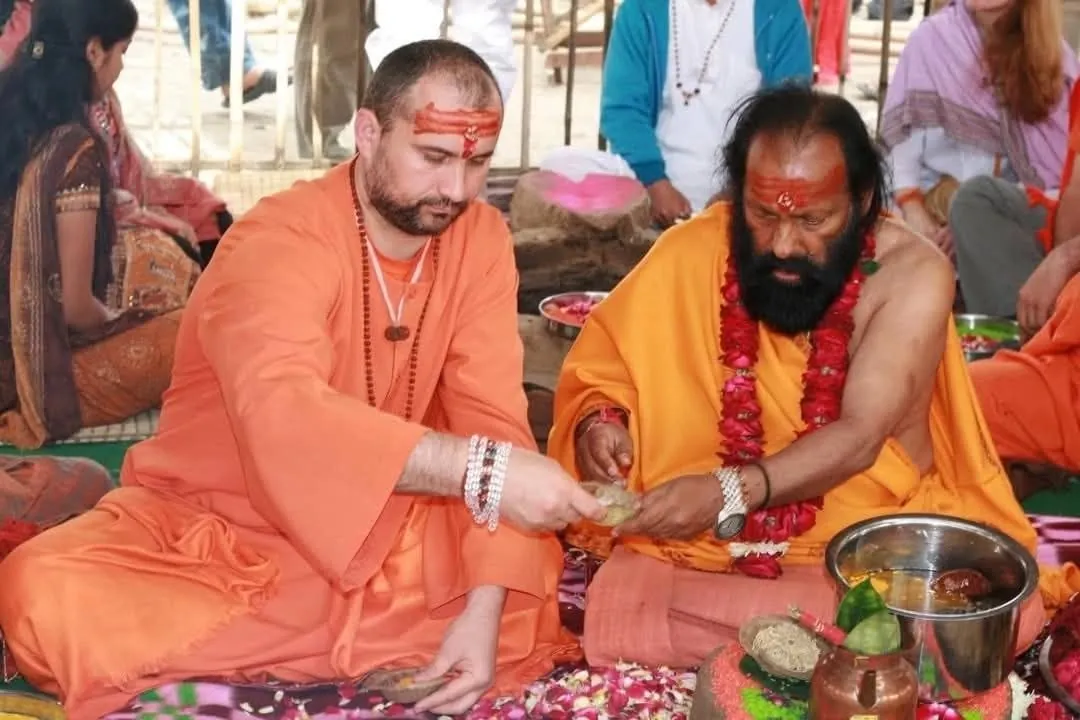
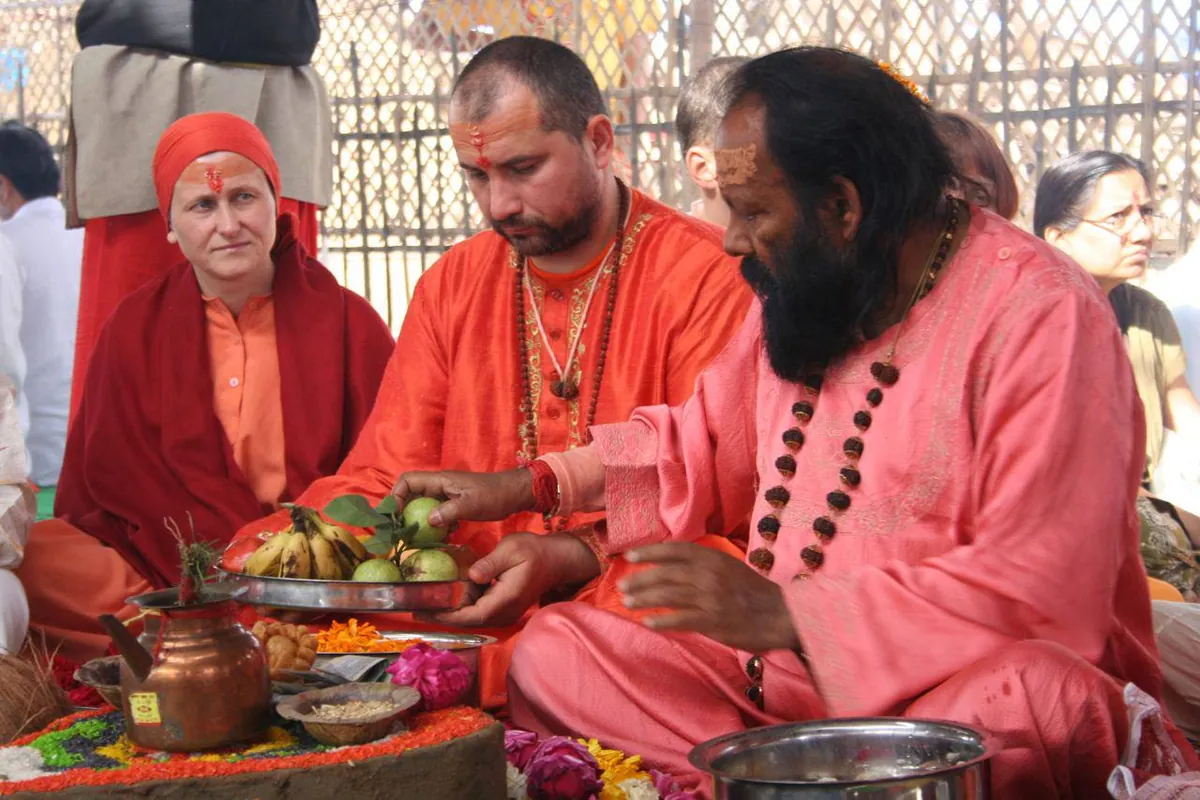
Pilot Babaji invited Swami Vishnudevananda Giri and his disciples to take part in this sacred event. It was there, in the presence of thousands of witnesses, on the bank of the sacred Ganges, that the solemn ceremony took place:
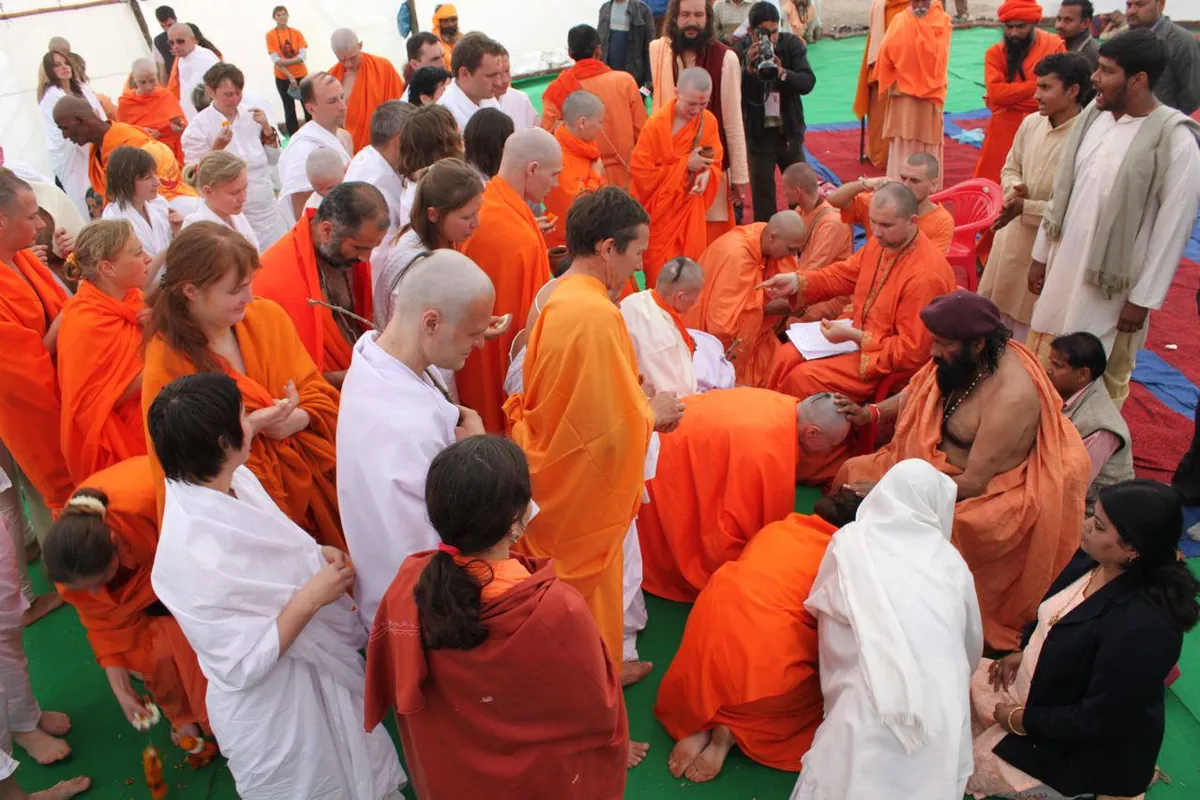
In 2010, Swami Vishnudevananda Giri was formally initiated into the ancient monastic order Juna Akhara:
- He accepted the status of a sannyasin and a spiritual name from Mahamandaleshwar Somnath Giri Maharaj (Pilot Babaji)
- He received the status of Mahamandaleshwar from the Acharya of Juna Akhara, Mahaprabhu Swami Avdeshananda Giri (Swami Avdeshananda Giri), who is the head of the akhara and leads the processions of Juna Akhara at the Kumbha Melas
After accepting the status, his full name became: Shrotriya Brahmanishtha Ananta Shri Vibhushit Panch Dashanam Juna Akhara Mahamandaleshwar Swami Vishnudevananda Giri
Which means: “World-renowned, established in Brahman, possessing boundless powers, Lord of the Universal Mandala, the one who attains bliss through Vishnu, the very summit beyond all limits.”
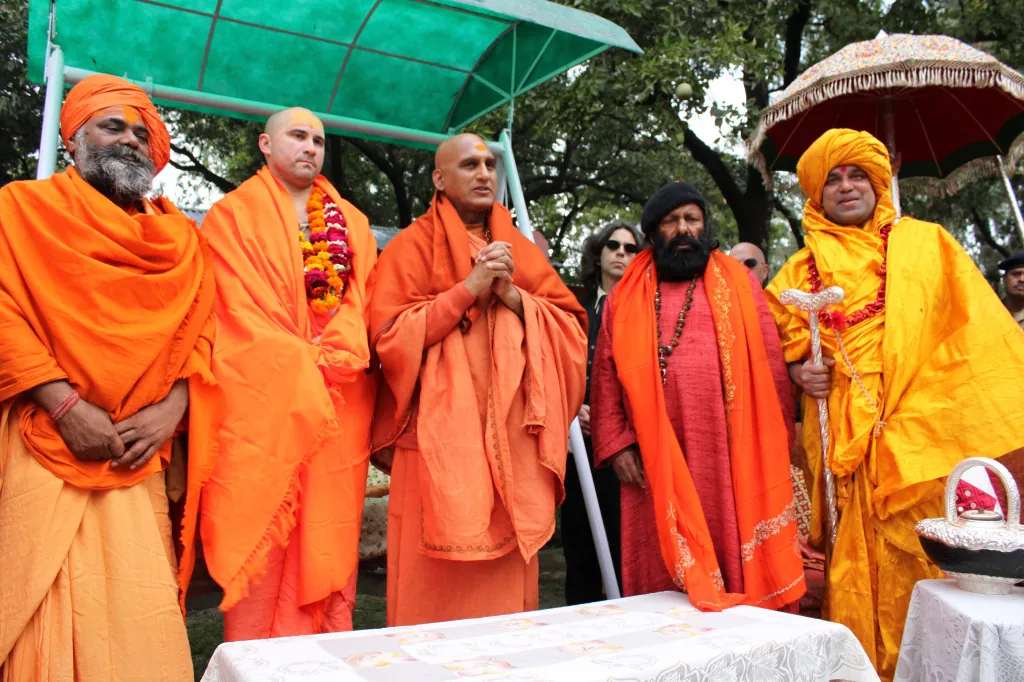
This affiliation was not merely a formal act, but a spiritual event of cosmic scale: it made visible and manifest in the social dimension the inner, mystical connection that had always existed on the subtle plane between Swami Vishnudevananda Giri and the great teachers of this tradition — with Shankaracharya himself, with Hari Baba, with Avatar Baba, and with the divine patron of the order — Lord Dattatreya.
As Swami Vishnudevananda Giri himself noted: “This is the external recognition of the connection that was always there, and the blessings were always there.”
Visits to Divya Loka and cooperation
After the Kumbha Mela, cooperation between Pilot Babaji and the World Community of Sanatana Dharma continued and deepened:
June 2010: Pilot Babaji made his first visit to Divya Loka — the Center of Vedic Culture in Russia, founded by Swami Vishnudevananda Giri. During this visit, Pilot Babaji took part in the Advaita Vedanta Congress held by the community. In his spiritual talks at Divya Loka, he said that he saw in Russia the potential for the development of spirituality, that he saw the unity of spiritual practitioners of various traditions and schools in their aspiration to know God.
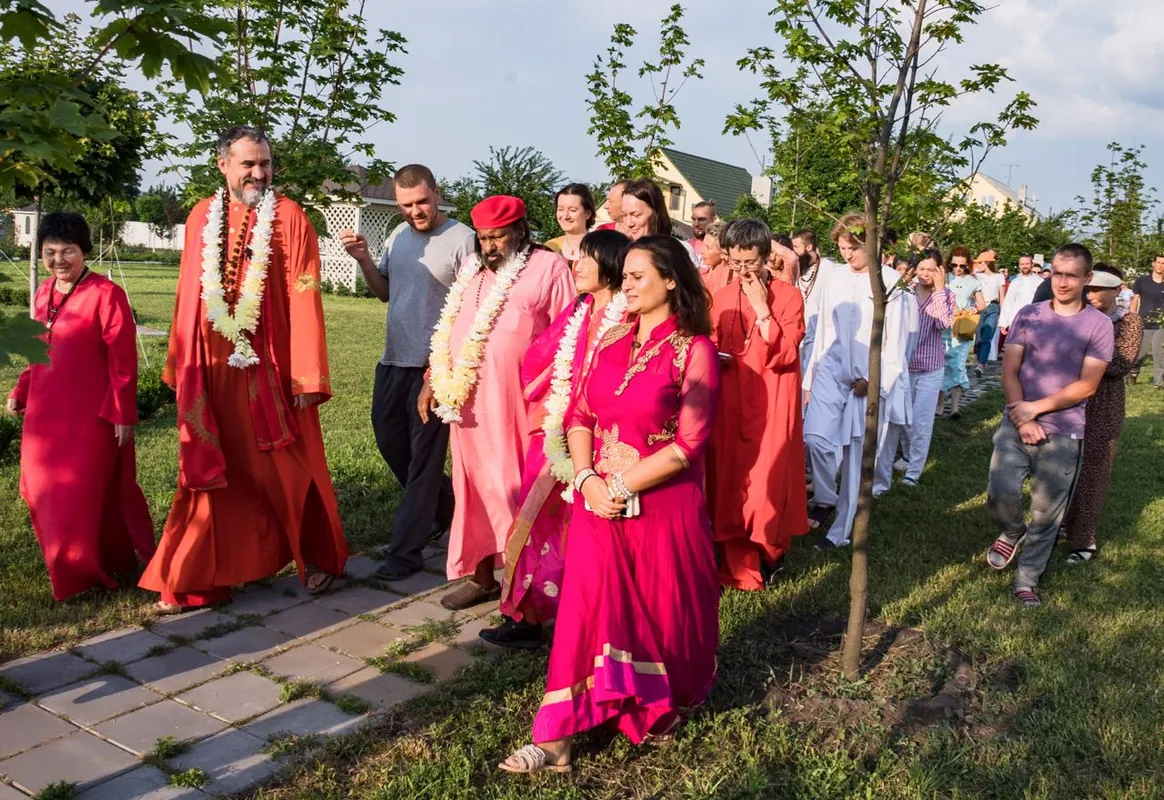
July 2011: Second visit to Divya Loka. During his three-day stay, the honored guest held spiritual meetings and talks, joint meditations, and excursions. On July 27, 2011, Swami Vishnudevananda Giri solemnly presented Pilot Babaji with the Order of Avadhuta Dattatreya — an award for spreading Vedic culture and Sanatana Dharma throughout the world.
Participation in Congresses: Pilot Babaji was a frequent participant in the Advaita Vedanta Congresses and Forums held in Moscow from 2008 to 2012. He was also an honored guest at the International Forum of Spiritual Culture “Era of Unity” (Spain, 2013).
The Significance of This Connection for the Parampara
The connection between Pilot Babaji and Swami Vishnudevananda Giri is of deep significance for understanding the parampara of the World Community of Sanatana Dharma. It establishes the Northern line of transmission (in addition to the Southern line through Swami Brahmananda):
Northern line: Absolute (Parabrahman) → Lord Shiva → Adi Shankaracharya → Narayana Baba → Avatar Baba → Hari Baba → Pilot Babaji (Somnath Giri) → Swami Vishnudevananda Giri
Thus, through Pilot Babaji, the Community receives a direct connection with:
- The ancient tradition of the Juna Akhara, the oldest monastic order
- The line of Hari Baba and the Himalayan siddhas
- The institutional structure created by Shankaracharya
- The blessing of the entire chain of realized masters
This gives the Community’s parampara fullness, completeness, and authenticity — it is rooted both in the mystical tradition of the South Indian siddhas (through Brahmananda) and in the organized structure of northern Advaita Vedanta (through Pilot Babaji and the Juna Akhara).
Chapter IX: Connections with World Leaders and International Recognition
Political Leaders as Disciples
Pilot Babaji did not limit his teaching to spiritual seekers alone — he believed that the transformation of the world begins with the transformation of those who make decisions. Therefore, he actively worked with political leaders at the highest level.
Dr. Ram Baran Yadav (Dr. Ram Baran Yadav) — the first President of the Republic of Nepal (2008–2015), is a longtime and devoted disciple of Pilot Babaji. The President met regularly with Guruji, as did the former Prime Minister of Nepal. These were not formal protocol meetings — Ram Baran Yadav practices Pilot Babaji’s Himalayan yoga, received spiritual guidance from him, and regards him as his spiritual teacher.
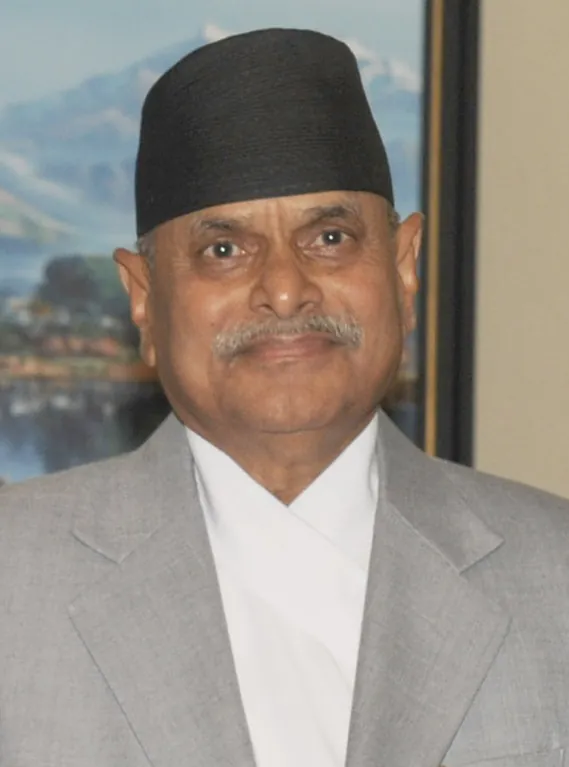
According to various sources, the following world leaders and celebrities were acquainted with Pilot Babaji or attended his seminars:
- Presidents of Japan — in Japan, Pilot Babaji has a huge number of followers thanks to the activities of Yogmata Keiko Aikawa
- President of India
- President of Uzbekistan
- Former U.S. President Bill Clinton — according to some sources, met with Pilot Babaji or attended his seminars
- Former Russian President Boris Yeltsin — according to certain testimonies, was acquainted with Pilot Babaji
- Prime Minister of India Narendra Modi — met with Yogmata, a disciple of Pilot Babaji, acknowledging her contribution to spiritual culture
Speeches at the United Nations
Pilot Babaji’s teaching has received recognition at the highest international level. His disciple Yogmata Keiko Aikawa delivered keynote speeches at the UN in 2016 and 2017, where she spoke about the role of meditation and consciousness in achieving world peace. In November 2025, she again participated in the WEDO (Women’s Empowerment and Development Organization) Summit at the UN, where she led a “Moment of Silence for Global Peace”.
This emphasizes the global scale of Pilot Babaji’s mission — from Himalayan caves to the UN podium, from Indian sadhus to Western seekers.
Chapter X: Books and Written Legacy
Pilot Babaji left behind a significant written legacy in which he shared the esoteric knowledge acquired over years of practice in the Himalayas:“Unveils Mystery of Himalaya (Part 1)” (“Revealing the Mysteries of the Himalayas, Part 1”) — a book in which he describes his 16 years of penance (tapasya) in the Himalayas, meetings with ancient sages, and the sacred science of samadhi.“Discover Secret of The Himalaya (Part 2)” (“Discovering the Secrets of the Himalayas, Part 2”) — a continuation in which he delves deeper into esoteric practices and his encounters with legendary figures.In these books, Pilot Babaji claims to have met ancient Hindu mythological figures living in physical bodies:
- Ashwatthama (Ashwatthama) — the immortal warrior from the Mahabharata
- Mahavatar Babaji — the legendary yogi
- Kripacharya (Kripacharya) — another character from the Mahabharata who received the gift of immortality
These claims are controversial — skeptics consider them fantastical, while Pilot Babaji’s followers regard them as evidence that the ancient siddhas truly attained physical immortality through yogic practices and continue to live in inaccessible places in the Himalayas.
His disciple Yogmata has also written numerous books, including: “The Road to Enlightenment: Finding the Way Through Yoga Teachings and Meditation” — with a foreword by Mahayogi Pilot Baba, in which she shares her path and the wisdom gained over 45 years of practice.
Chapter XI: Kaya Kalpa — the Secret of Longevity
In the last years of his life, Pilot Babaji began teaching Kaya Kalpa (Kaya Kalpa) — an ancient system for rejuvenating the body, mind, and the whole person as a whole. According to this practice, a person can live up to 144 years while maintaining health and clarity of consciousness.
Kaya Kalpa is not merely a diet or physical exercise, but a holistic system that includes:
- Ayurvedic preparations and rasayanas (elixirs)
- Pranayama (breathing techniques)
- Meditation and work with subtle energies
- Control over the mind and emotions
- Deep cleansing of the body at the cellular level
This system, according to Pilot Babaji, makes it possible to reverse the aging process and restore the vitality inherent in youth.
Chapter XII: Ashrams and Centers Around the World
Over decades of active work, Pilot Babaji created a network of ashrams and meditation centers in India and abroad:
In India:
- Haridwar — the main ashram, built at enormous expense, where his samadhi-sthal (burial place) is located. The ashram is situated in Kankhal, a sacred district of Haridwar
- Bihar (Sasaram) — his native region
- Nainital — in the foothills of the Himalayas
- Uttarkashi — one of the most important spiritual centers in the Himalayas
- Gangotri — at the source of the Ganges
Abroad:
- Nepal — where he had thousands of followers
- Japan — thanks to Yogmata, there is a huge community of his disciples there
- Russia and Ukraine — numerous followers thanks to the connection with Swami Vishnudevananda Giri and Divya Loka
- USA — centers in New York and other cities
During the Kumbh Mela, his ashrams and camps were always filled with followers, disciples, and devoted admirers both from India and from all over the world.
Chapter XIII: Controversies and Criticism
As is often the case with charismatic spiritual leaders, the figure of Pilot Babaji was not free from controversy.
The Followers’ Response
Pilot Babaji’s followers firmly reject these accusations, pointing to:
- Multiple demonstrations in the presence of scientists, doctors, and government officials
- A NASA study in which he was in a sealed glass cube under constant observation
- The impossibility of deception under conditions in which the burial site is surrounded by thousands of witnesses, including skeptics
- Spiritual achievements recognized by the Juna Akhara and the entire monastic community of India
They regard the criticism as slander from those who are incapable of comprehending the depth of yogic attainments.
Property and Wealth
Pilot Babaji was the owner of considerable wealth, including expensive ashrams. This raised questions about the extent to which his lifestyle corresponded to the ideal of a renounced sannyasin.
However, followers explain that these funds were used for the service of humanity — the construction of ashrams and hospitals, the organization of charitable programs — and that Pilot Babaji himself lived simply, without attachment to material possessions.
A Balanced Assessment
Regardless of these controversies, one undeniable fact remains:
- Pilot Babaji was recognized as Mahamandaleshwar of Juna Akhara — one of India’s highest spiritual authorities
- His influence spread to millions of people around the world
- He trained outstanding disciples, including the first female Mahamandaleshwar in history
- His teaching inspired countless seekers to follow the spiritual path
Like many great masters of the past, he remains a complex figure whose legacy will be interpreted differently depending on the observer’s point of view.
Chapter XIV: Final Years and Mahasamadhi
Illness and Departure
In the final years of his life, Pilot Babaji’s health began to deteriorate. He was ill for some time, but continued to meet with disciples and followers, bestow blessings, and transmit the teaching.
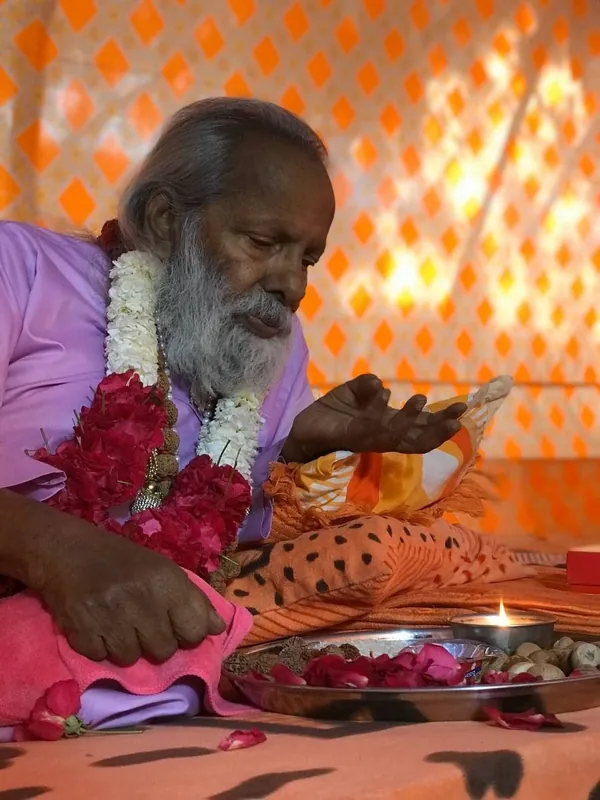
On August 20, 2024, at the age of 86, Mahayogi Pilot Babaji left his physical body at Apollo Hospital in Mumbai.
The news of his departure was announced on his official Instagram account with the message:
“Om Namo Narayana. With deep respect and sorrow, we inform all disciples and devotees around the world that our revered Gurudeva, Mahayogi Pilot Babaji, has attained Mahasamadhi and left his physical body today. We urge everyone to remain calm, offer prayers, and express gratitude. Further instructions will be given as necessary.”
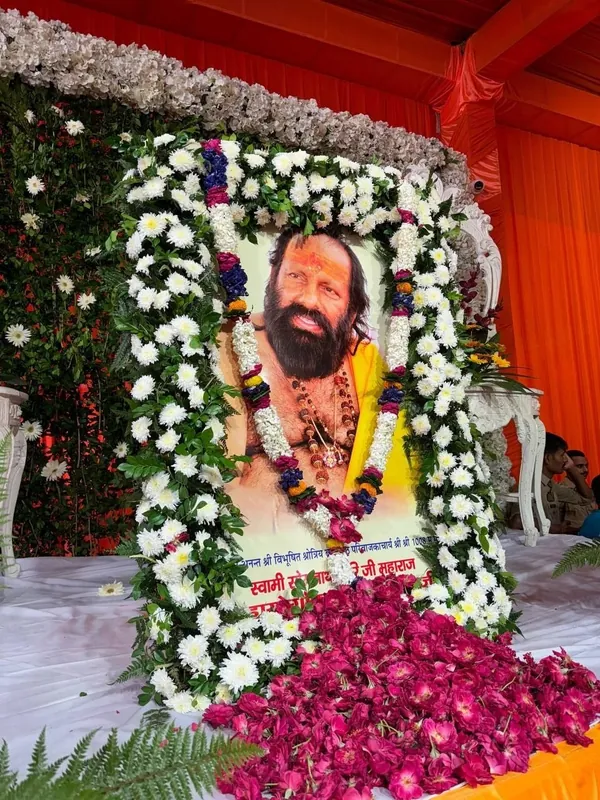
Final Rites in Haridwar
Pilot Babaji’s body was brought to his main ashram in Kankhal, Haridwar, where the final rites were performed on August 22, 2024.
He was granted Mahasamadhi — burial in a seated posture, which is the highest honor for a realized yogi. This is not regarded as death, but as the conscious leaving of the body — an act in which the soul is fully freed from the physical sheath and dissolves into the Absolute. Present at the ceremony were:
- Former Union Minister of the Government of India Ajay Bhatt
- Representatives of all 13 akharas — India’s monastic orders
- Yogmata Keiko Aikawa — his Japanese disciple, who flew in especially for the ceremony
- Sadhvi Chetananda Giri and Sadhvi Shraddha Giri — his disciples, who performed the final rites
The site of his samadhi in the Haridwar ashram became a place of pilgrimage for his followers.
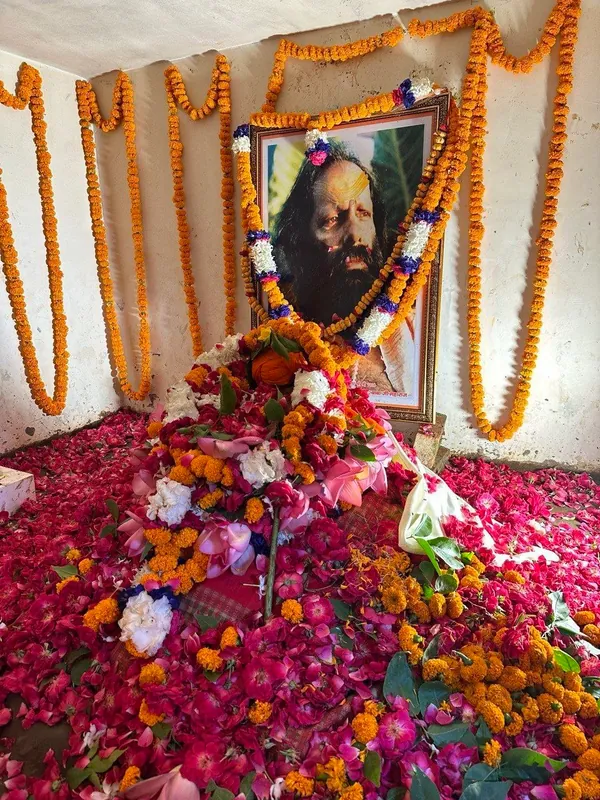
Announcement of the Successor
On August 23, 2024, the day after the burial, at a meeting of the Mahants and saints of Juna Akhara, Pilot Babaji’s successor was announced:
Yogmata Sadhvi Kaivalya Devi (Keiko Aikawa) was declared his official successor and appointed President of the Pilot Baba Ashram Trust.
Sadhvi Chetananda Giri and Sadhvi Shraddha Giri were appointed General Secretaries of the Trust.
Thus, Pilot Babaji’s mission continues through his realized female disciples.
Chapter XV: Legacy and Influence
Transforming the Understanding of Yoga in the West
Pilot Babaji played a key role in demystifying yoga for the modern world. Through his public demonstrations of samadhi, he showed that the ancient texts speak not of metaphors, but of real attainments accessible through practice.
His scientific approach — his willingness to be observed by NASA scientists, physicians, and researchers — helped legitimize yoga in the eyes of the rationally minded West, without losing its spiritual depth.
Women in Spiritual Leadership
By preparing Yogmata Keiko Aikawa as the first female Mahamandaleshwar in the history of Hindu monasticism, Pilot Babaji carried out a revolution in the traditional hierarchy. He showed that spiritual realization does not depend on gender, nationality, or caste — it is available to all who walk the path with sincerity and devotion.
A Bridge Between East and West
Traveling between India, Japan, Russia, the United States, and Europe, Pilot Babaji became a living bridge connecting the ancient wisdom of the East with the modern West’s quest for spirituality free from dogmatism.
Continuing the Mission
Today his disciples continue his work:
- Yogmata conducts meditation seminars around the world, speaks at the UN, and writes books
- The Russian Sanatana Dharma community, under the guidance of Swami Vishnudevananda Giri, has integrated the blessing of the Northern Lineage into its parampara
- Thousands of followers in Nepal, Japan, and the United States practice the teachings of Pilot Babaji
Immortality Through Service
Mahayogi Pilot Babaji lived an extraordinary life — from a combat pilot defending his homeland in three wars to an enlightened yogi demonstrating mastery over life and death. His path shows that transformation is possible at any age, that the past does not determine the future, and that divine grace can touch any person ready to answer its call.
He did not merely speak about nonduality — he lived it, turning every action into service to the Absolute. He did not merely teach about samadhi — he demonstrated it publicly more than 110 times, inspiring millions of people.
His legacy is not only ashrams, books, and disciples, but a living transmission that continues to flow through the parampara, transforming the hearts and minds of those who are open to the Truth.
As Pilot Babaji himself said: “Truth cannot be spoken, but one can feel its presence, its fragrance around everything and within everything.”
This fragrance continues to spread, touching those who are ready to inhale it, sanctifying the world with its blessing.
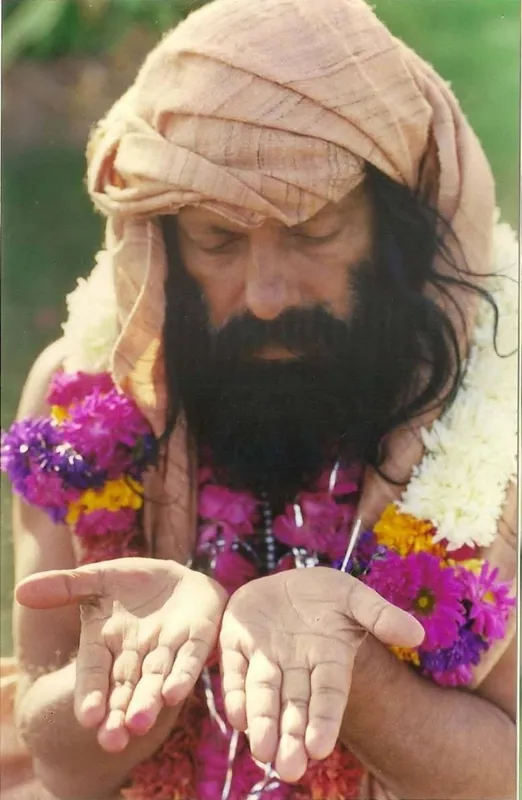
Om Namah Shivaya Om Shri Gurave Namah Om Shri Mahayogi Pilot Babaji Maharaj Ki Jai
Dedicated to the memory of Mahayogi Pilot Babaji (1938–2024)
