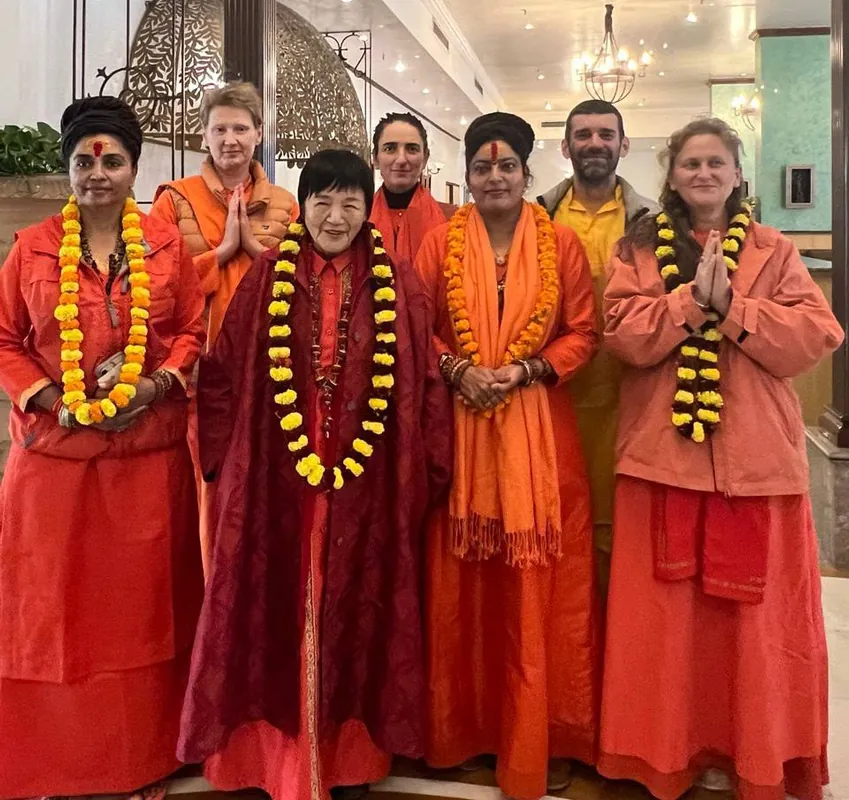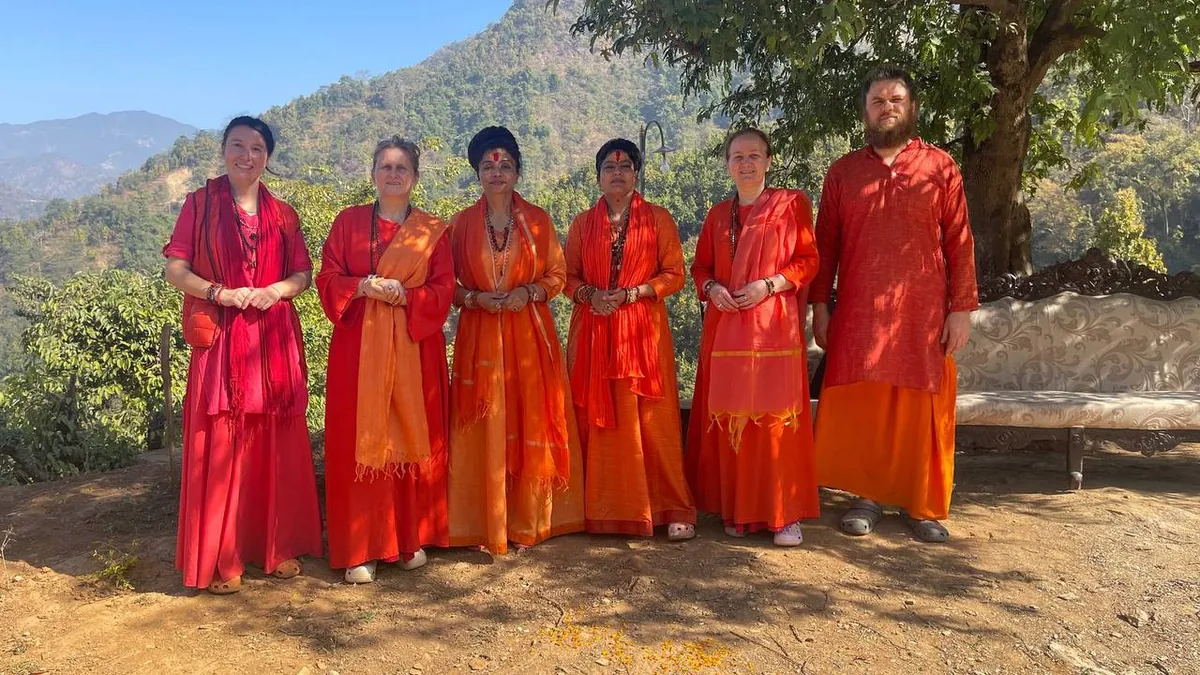
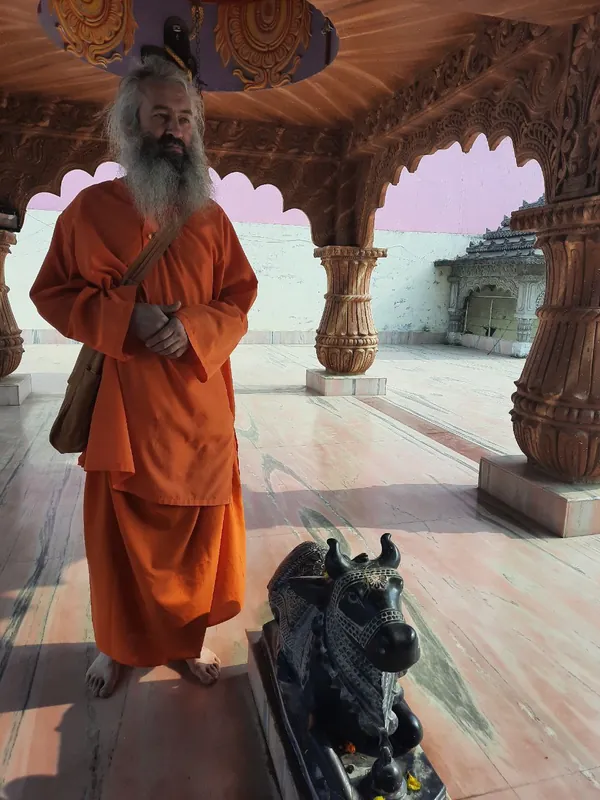
In popular perception, sannyasa is often reduced to the picturesque image of a wandering ascetic in ochre robes. Behind this image stands a precisely developed institution of spiritual initiation that is thousands of years old — with a canonical structure, stages, vows, and lines of transmission.
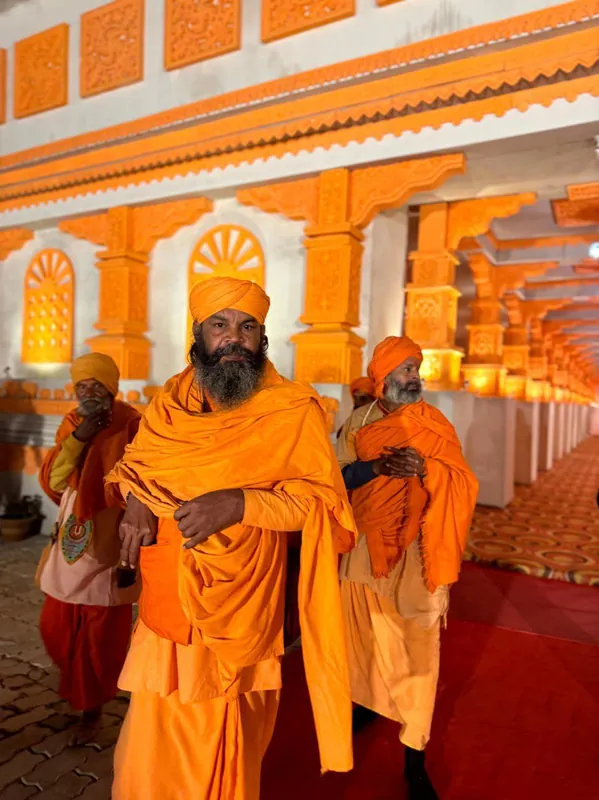
What Is Sannyasa
Sannyasa (Sanskrit sannyāsa) is the fourth and highest stage of ashrama-dharma (āśrama-dharma) and an independent institution of monastic initiation in the tradition of Sanatana Dharma. The path of a sannyasi is complete renunciation of worldly life for the sake of focusing on a single goal: knowledge of the Absolute and liberation (mokṣa) from the cycle of births and deaths.
At the same time, sannyasa is not merely a biographical stage. The Manusmriti places it within the natural sequence of life orders, yet Advaitic and Tantric sources allow sannyasa to be taken at any stage of life — if inner readiness, vairagya (vairāgya), has matured. The Jabala Upanishad states directly: on the day dispassion awakens in a person, he may enter renunciation without waiting to pass through the previous stages.
Etymology
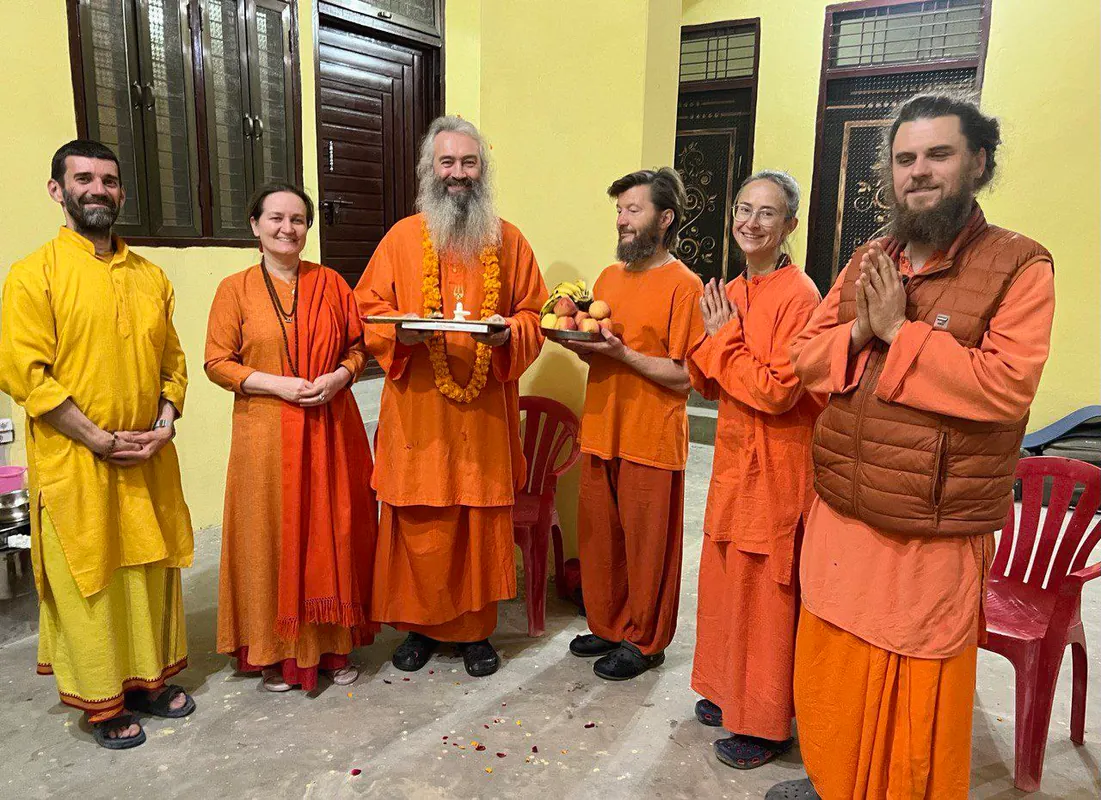
The word sannyāsa is formed from three Sanskrit roots: sam — “completely,” “perfectly”; ni — “down,” “inward”; as — “to throw,” “to leave.” The literal translation is “complete abandonment,” “perfect surrender.”
It should be noted that what is abandoned is not the external world as such. What is abandoned is the accumulated false “I” — attachments, claims, fears, the desire to possess. In this sense, sannyasa is not an escape from the world, but a return to one’s own true nature. The Yajurveda expresses this aphoristically:
“Having overcome their desires to have sons, to have wealth, to have this world, they live as wandering monks. For the desire to have sons is the desire to have wealth, and the desire to have wealth is a worldly desire. All this is nothing but desires. He, the Atman, is not this, not that.”
Yajurveda
Sannyasa in the System of the Four Ashramas
The Vedic tradition divides human life into four successive modes of life — ashramas (āśrama), each of which serves a particular purpose in attaining chaturvarga, the four aims of life: dharma, artha, kama, and moksha.
Brahmacharya (brahmacarya) — studentship, traditionally from 12 to 24 years of age. A young man lives with the Guru, studies the Vedas, and masters the arts, ethics, and discipline of mind and body.
Grihastha (gṛhastha) — the life of a householder, from 24 to 48 years of age. A person starts a family, fulfills social duty, and supports the other three ashramas. Grihastha is the support of society.
Vanaprastha (vānaprastha) — gradual withdrawal from affairs, from 48 to 72 years of age. Passing responsibilities on to the younger generation, turning to meditation, austerity, and pilgrimage.
Sannyasa (sannyāsa) — complete renunciation, traditionally after 72 years of age. All consciousness and energy are directed toward the scriptures, worship, yoga, and uninterrupted contemplation.
The Atharvaveda emphasizes the hierarchy of these ways of life with a concise formula: “A hundred uninitiated persons are equal to one brahmachari. A hundred brahmacharis are equal to one grihastha. A hundred grihasthas are equal to one vanaprastha. A hundred vanaprasthas are equal to one sannyasin.” This is not about social superiority, but about the concentration of spiritual effort.
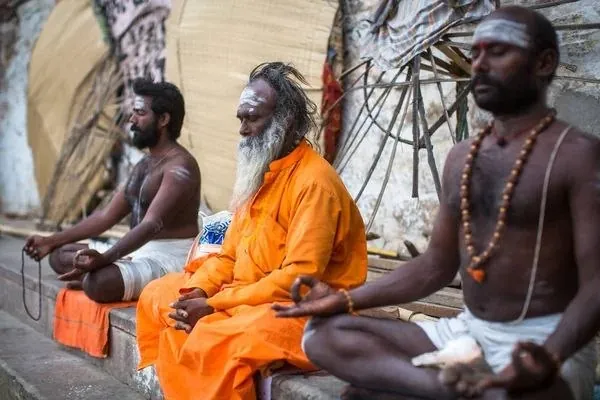
Types of Sannyasa: Karma Sannyasa and Purna Sannyasa
In the living tradition of Sanatana Dharma, two modes of renunciation are distinguished.
Karma sannyasa is the path of inner renunciation while maintaining external activity. A karma sannyasin fulfills family duty but is inwardly detached from the fruits of action, takes certain vows, and assumes serious commitments in sadhana. The status corresponds to the period of vanaprastha — approximately from 35 to 50–60 years of age in modern practice. This is a path for a family person who has seriously embarked on the spiritual path.
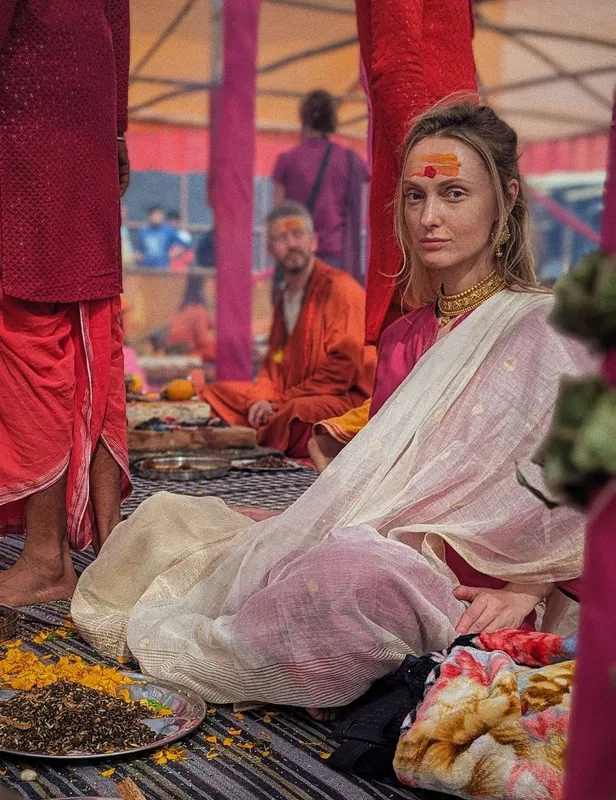
Purna-sannyasa is complete monastic renunciation. A purna-sannyasin leaves all worldly duties, takes monastic vows, and formally “disappears” to society. This is the most radical and at the same time the most effective form of the path.
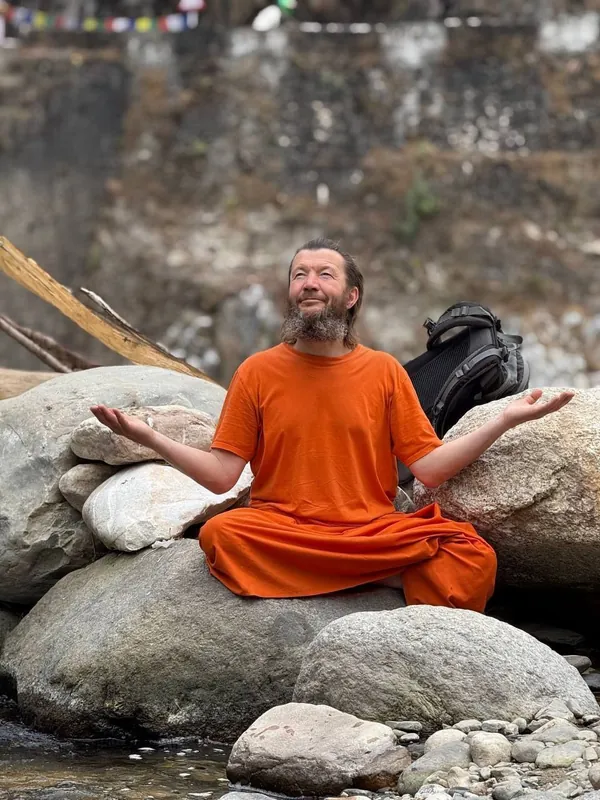
The distinction between the two types goes back to the Bhagavad Gita itself. In the eighteenth chapter, Sri Krishna makes a key distinction between sannyasa — the renunciation of actions themselves — and tyaga (tyāga) — the renunciation of attachment to the fruits of actions. As long as a person lives in the body, action is inevitable; but it is possible to act without attachment. This formula lies at the foundation of karma-sannyasa.
The Five Classical Stages of a Sannyasin
The Upanishadic tradition describes five ascending stages of the renunciant path. Each is a qualitative level of inner realization.
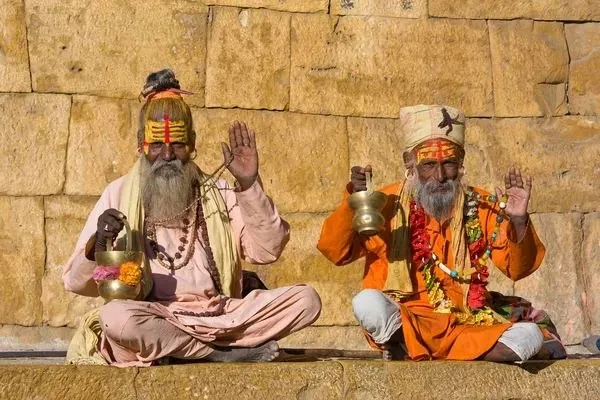
- Kutichaka (kuṭīcaka) — a sannyasin living in a hut near the family or community; the initial stage.
- Bahudaka (bahudaka) — a wandering monk who lives on alms from several houses.
- Hamsa (haṃsa) — “swan”; a sannyasin established in discriminating wisdom (viveka).
- Paramahamsa (paramahaṃsa) — “supreme swan”; a sage abiding in uninterrupted contemplation of Brahman.
- Avadhuta (avadhūta) — “one who has shaken off”; the highest stage, complete freedom from all external forms and social roles.
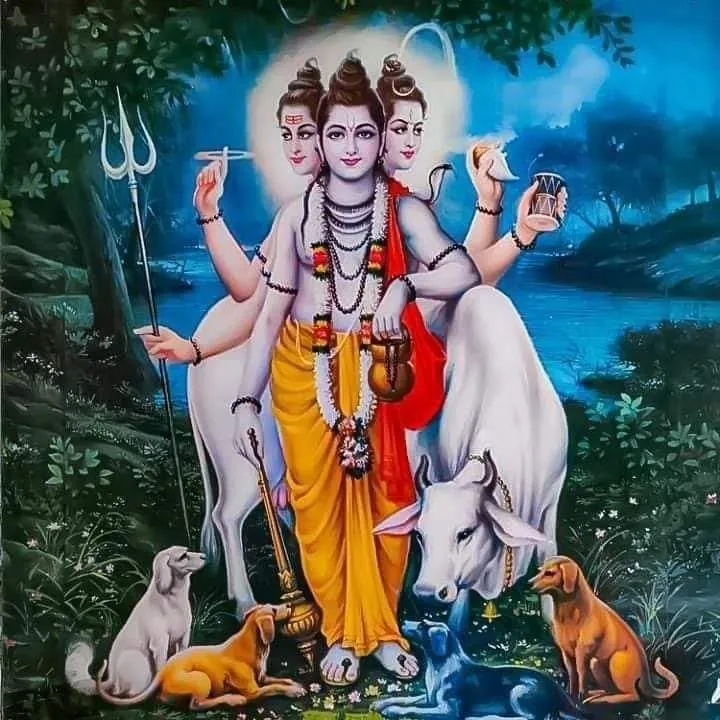
The avadhuta transcends even monastic rules: his behavior is determined not by regulations, but by the direct experience of the unity of all that exists. A classic example is Bhagavan Dattatreya.
Sannyasa-diksha and the Dashanami Lineage
Entering the status of a sannyasi is an act of transmission through initiation, sannyasa-diksha (sannyāsa-dīkṣā). According to the primary sources, sannyasa diksha can be given only by a sannyasin; however, it gains the greatest spiritual power from a sadguru — a teacher who has realized God.
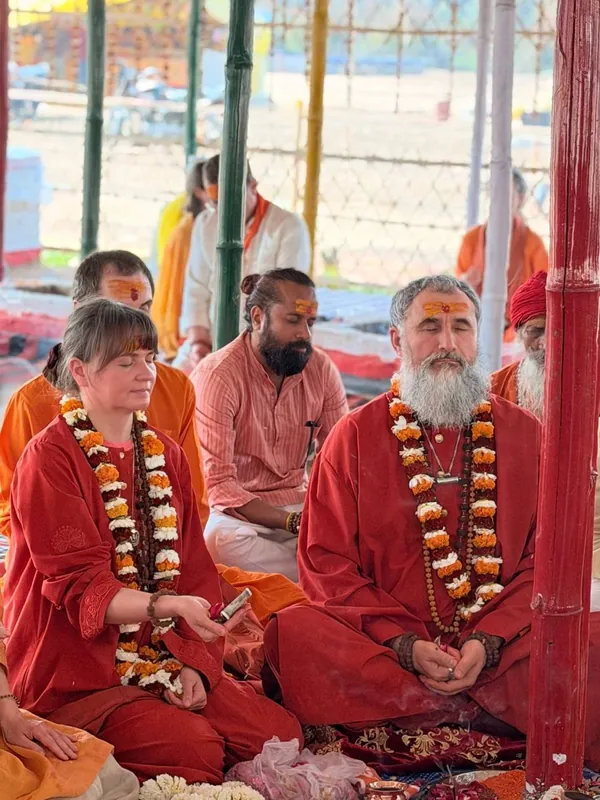
The formal rite of initiation includes a precise set of actions: shaving the head, renouncing worldly dharma, transmitting esoteric instructions, taking monastic vows, performing the initiate’s own funeral rite over him (the sannyasin symbolically dies to society), and bestowing a garment of the color kavi — ochre. After initiation, the sannyasin is deprived even of property rights to his own clothing, so that the practice of renunciation of the worldly is trained even in small things.
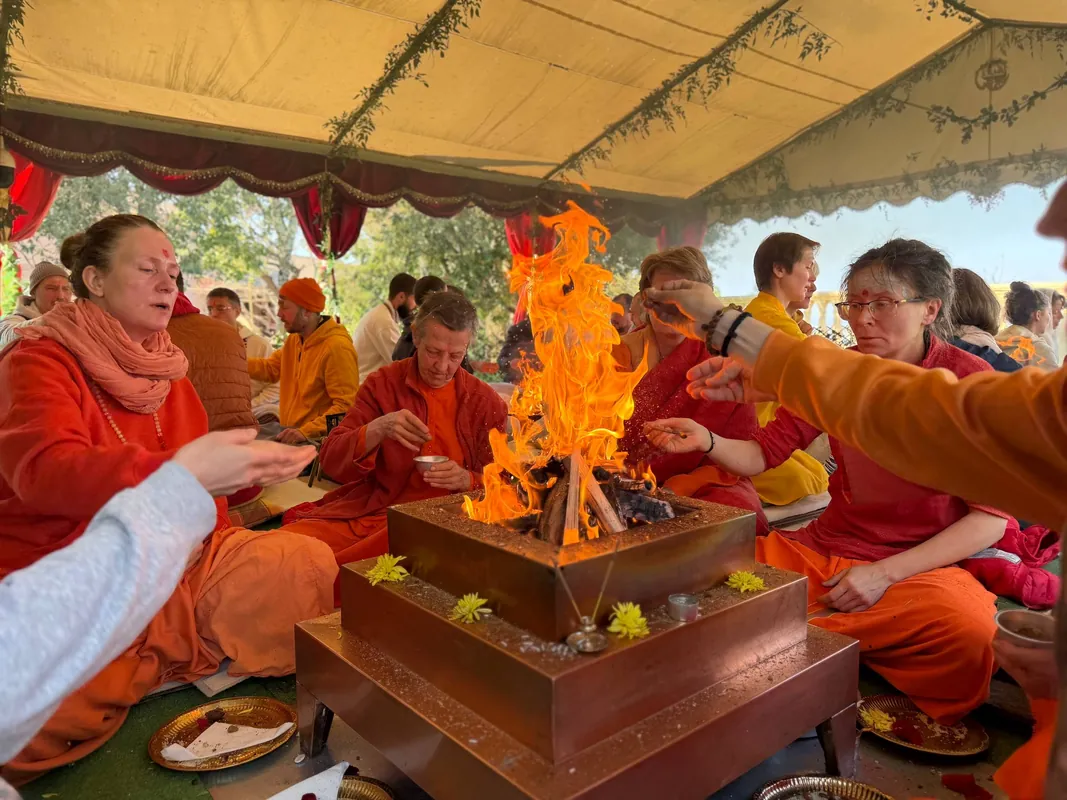
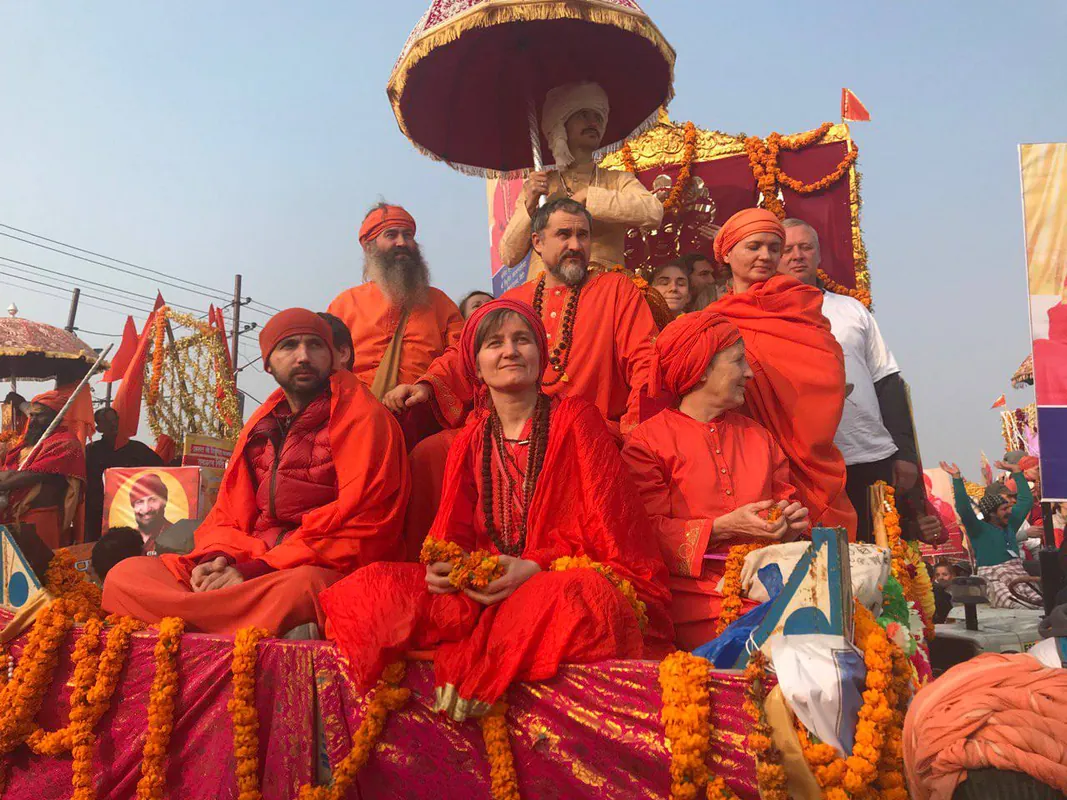
In the Advaitic tradition, the central line of sannyasa transmission goes back to Sri Adi Shankaracharya (788–820 CE) — the founder of the Dashanami order (daśanāmī, “ten names”). These are ten monastic sublineages, each with its own family name: Saraswati, Tirtha, Bharati, Giri, Puri, Aranyi, Parvata, Sagara, Vanam, Ashrama. To this day, the Dashanami order remains one of the main pillars of the monastic tradition of Sanatana Dharma.
The Three Root Vows of a Sannyasin
After initiation, the life of a sannyasin is built around three root vows.
The vow of renunciation (aparigraha) — the renunciation of property, a commitment to poverty and simplicity. A sannyasin does not own even his garment. This vow protects against subtle forms of ego that sprout through possession.
The vow of obedience — a promise to follow the paths of sannyasa-dharma, to fulfill the instructions of the satguru, to follow the scriptures, and to adhere to the guru's parampara. Obedience here is understood not as passivity, but as a conscious attunement to a higher will transmitted through the Lineage.
The vow of purity — restraint in thought, word, and deed. The vow includes observance of ahimsa (ahiṃsā, nonviolence), vegetarianism, chastity (brahmacarya), and protection of the mind from base states: deceitfulness, malice, envy, lust, and greed. In some orders, vows of humility and preservation of the secrecy of the teaching are additionally taken.
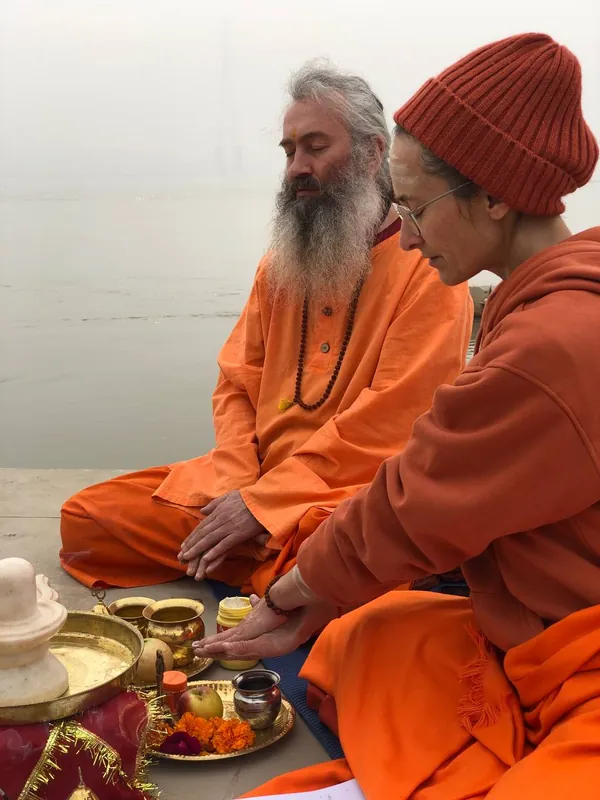
In the tantric and anuttara-tantric tradition, fourteen root samaya vows are added to these foundations — tantric commitments common to all serious practitioners. The Atharvaveda briefly describes the fruit of such a way of life: “The ascetic who wears colorless garments, whose head is shaven, who has no possessions, who is pure and free from hatred, who lives on alms, merges with Brahman.”
Antar-vairagya: Inner Renunciation
The external forms of sannyasa exist for one purpose — to awaken inner renunciation, antar-vairāgya (antar-vairāgya). Without this inner shift, even the strictest vows remain an empty form.
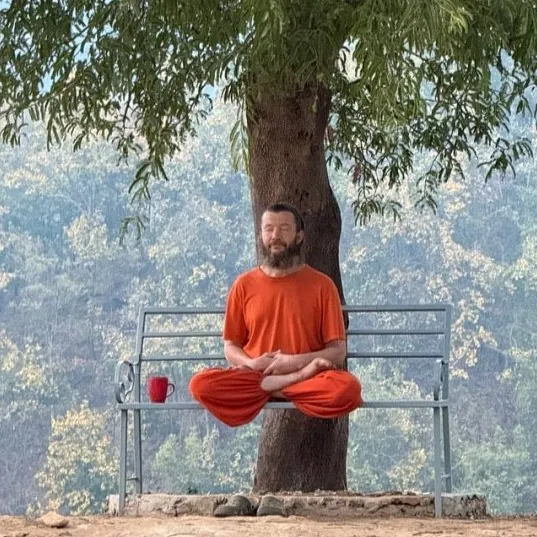
Antar-vairagya is the liberation of the mind from the false meanings and values of samsara, the mature ability to surrender oneself to the Divine. Such inner renunciation is possible not only for a purna-sannyasi, but also for a karma-sannyasin, and even for a grihastha whose discriminating wisdom has matured. The Bhagavad Gita describes the state of one who is inwardly renounced precisely in this way: one who harbors no hatred, is not bound by desires, and is free from duality is a true sannyasin — even if he continues to act in the world.
It is also essential that genuine vairagya does not make a person detached in a cold sense. One established in inner renunciation becomes softer and more attentive. Attachment falls away, while the ability to be present and to act becomes stronger.
The Fruits of the Path for the Practitioner
What does sannyasa give to one who has truly stepped onto this path?
Freedom from the eight bonds (aṣṭa-pāśa): fear (bhaya), shame (lajjā), aversion (jugupsā), despondency (śoka), self-pity (ghṛṇā), pride, hatred, and doubt. As renunciation matures, these bonds gradually fall away by themselves, like dry leaves.
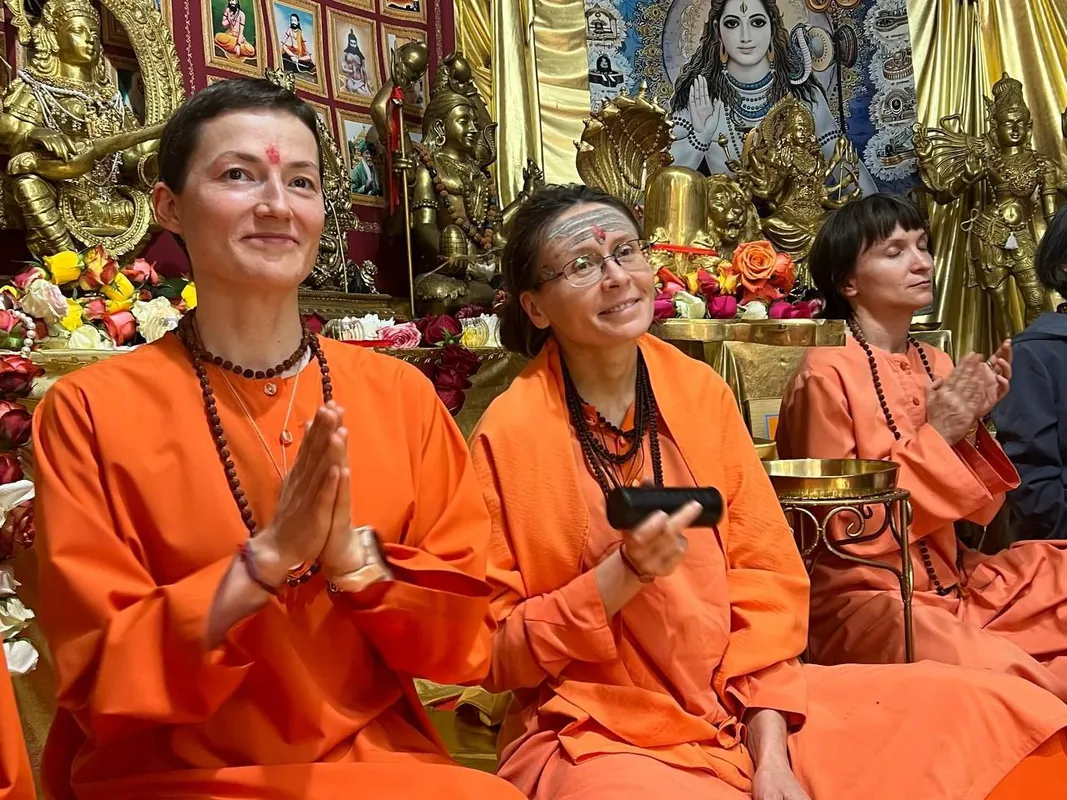
The concentration of all energy on sadhana. Freed from worldly duties, the sannyasin directs all the forces of consciousness toward God and toward atma-vichara — the inquiry into one’s own nature.
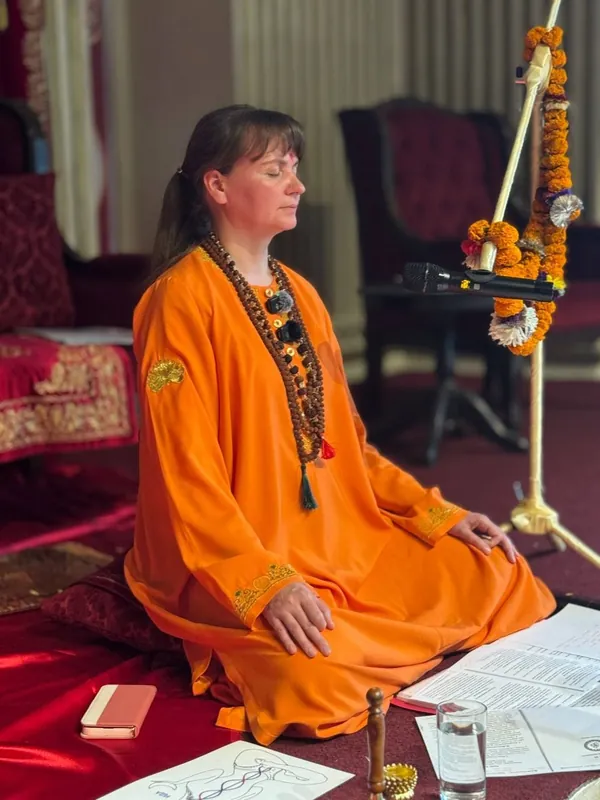
A direct connection with the guru-shishya-parampara. Through diksha, the sannyasin enters a living line of transmission, gaining access to the blessings and experience of the saints who stand behind that lineage.
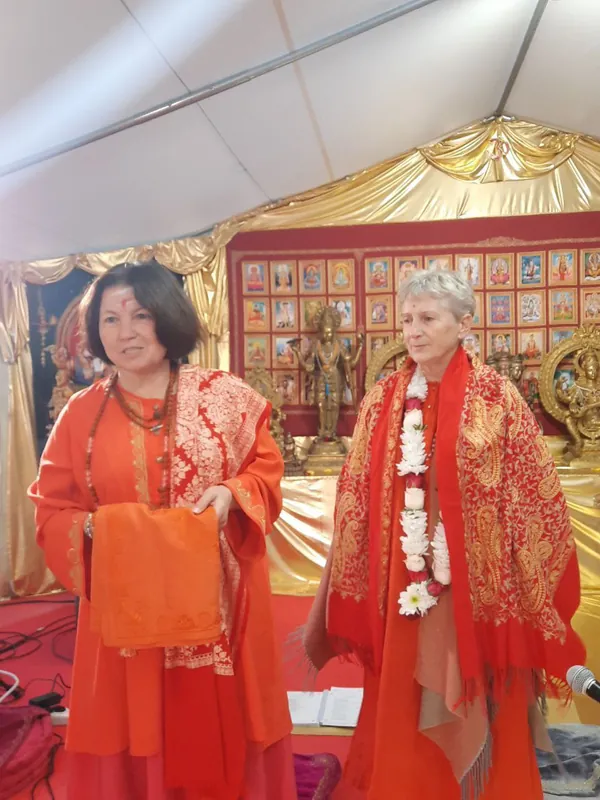
The possibility of direct God-realization. The Sadguru leads the initiated sannyasin along the path of sadhana-marga, revealing ever deeper levels of realization — up to the direct knowledge of Parashiva, the transcendent Reality.
The Mundaka Upanishad expresses the promise of the path in a single line:
Tyāgenaike amṛtatvam ānaśuḥ — “Only through renunciation is immortality attained.”
— Mundaka Upanishad
To this is added a universal dimension: the sannyasin not only moves toward his own liberation, but also preserves the living tradition of Sanatana Dharma, becoming its bearer, teacher, and living witness to Truth.
Conclusion
Sannyasa is the heart of Sanatana Dharma. It is not merely a way of life, but a precisely developed path in which external form, inner renunciation, and the line of transmission are bound into a single whole. Those who accept sannyasa in the traditional sense are rare in any generation. Yet understanding sannyasa is important for the householder as well: it is antar-vairagya, inner renunciation, that transforms the fulfillment of family duty into sadhana, and any way of life into a means of advancing toward liberation.
External sannyasa is the lot of the few. Inner renunciation is the condition of freedom for all who have stepped onto the spiritual path.