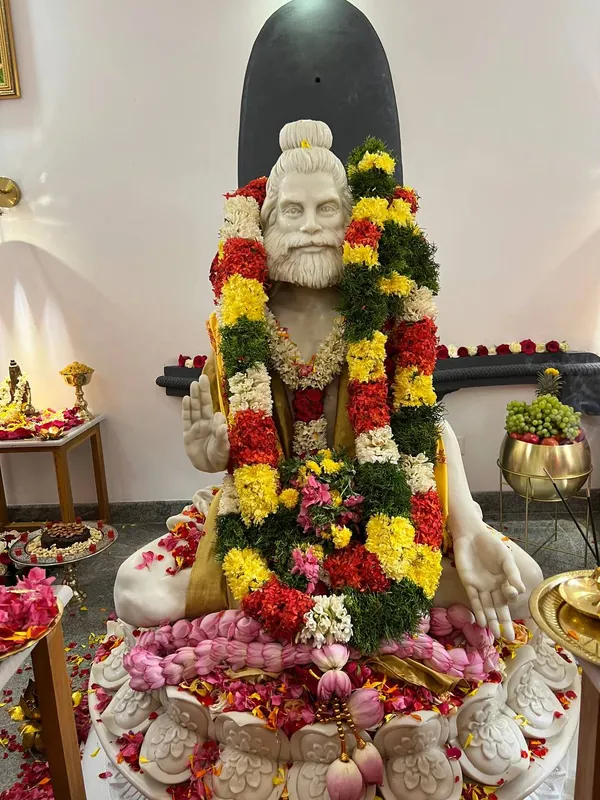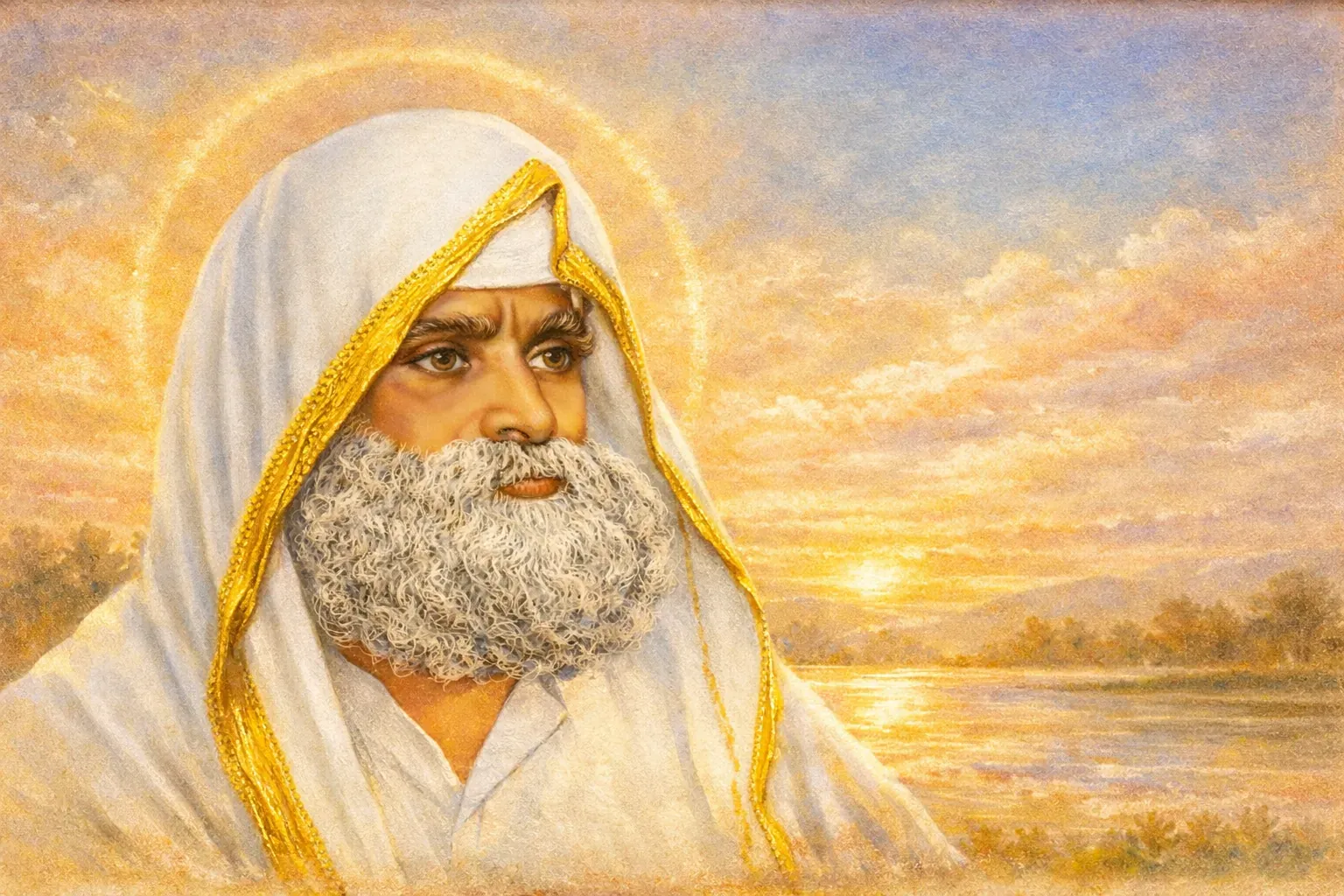
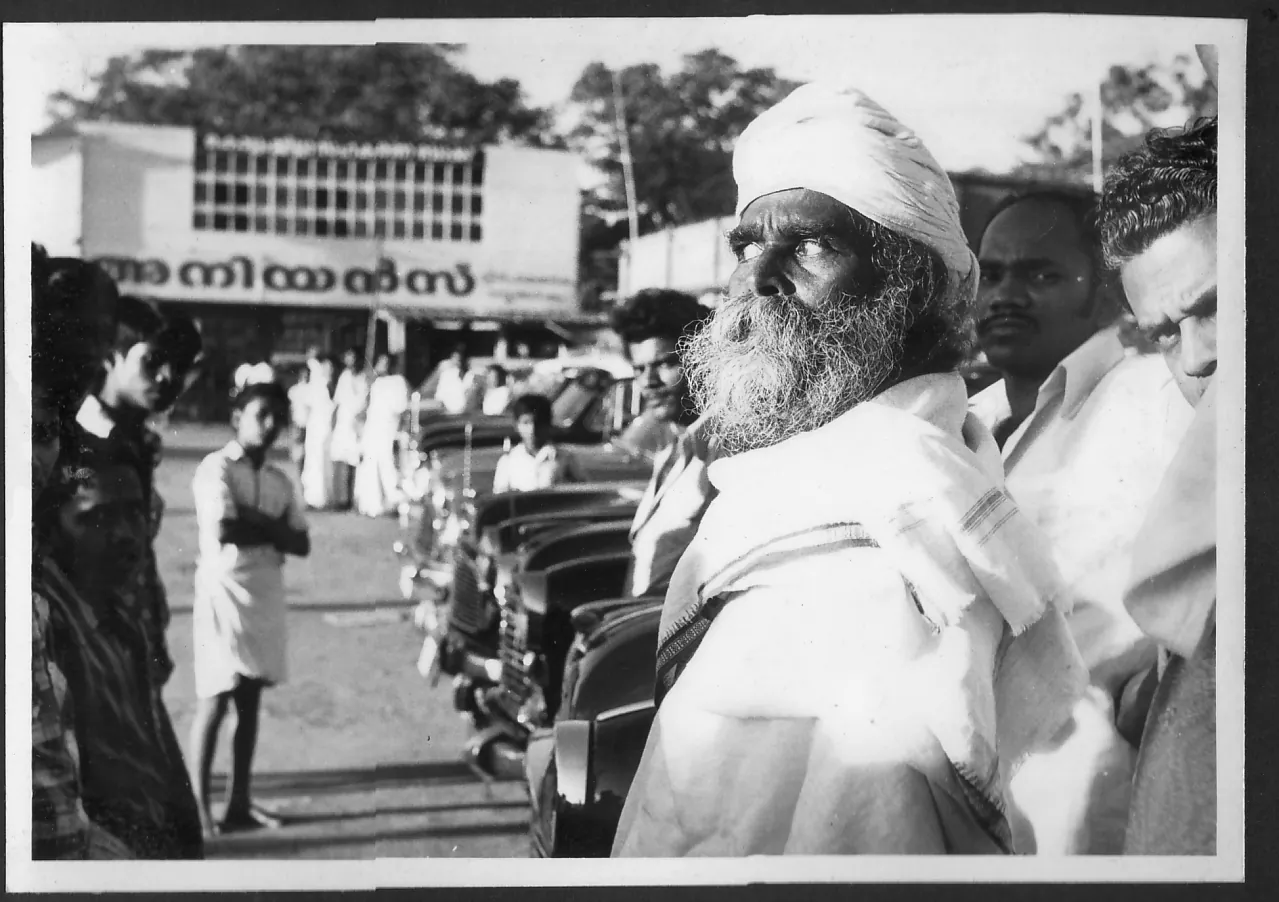
Swami Brahmananda Sri Siva Prabhakara Siddha Yogi Paramahamsa is the greatest avadhuta, a disciple of the last in the line of the eighteen Tamil Mahasiddhas, Sri Pambatti Siddhar. He is the root teacher of Sri Guru Swami Vishnudevananda Giri Maharaj.
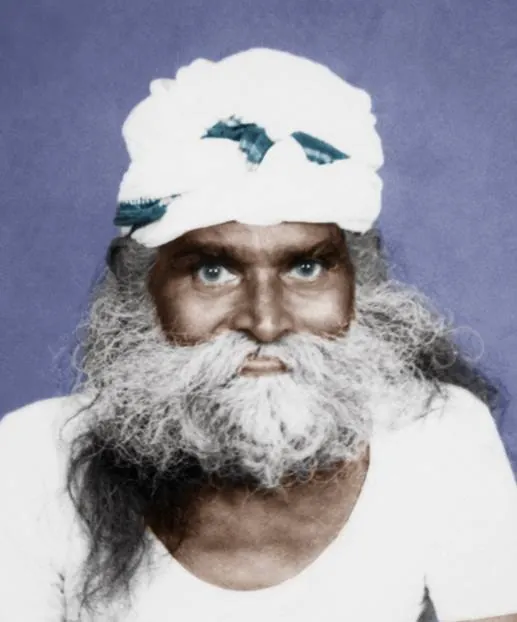
Lineage
Formally, Brahmananda belongs to the sannyasis of the widespread school of Advaita Vedanta – Shaiva-Kaula-Siddhanta.
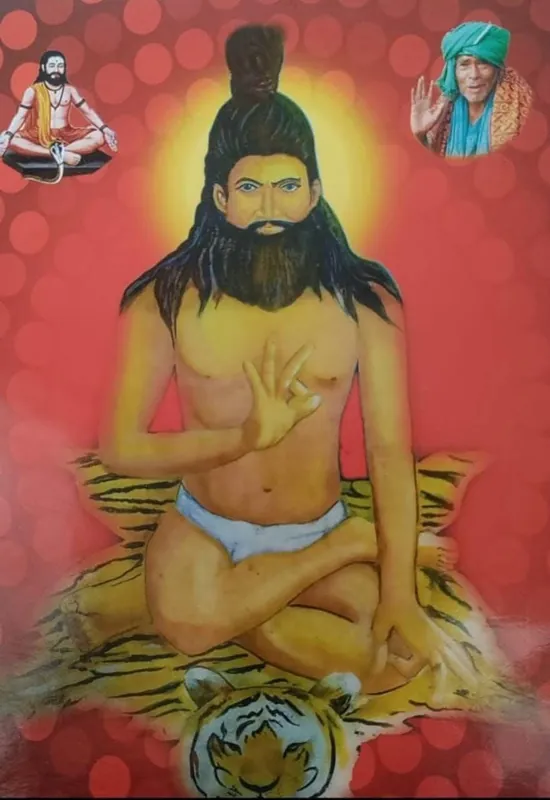
This is an ancient monistic school of yoga, whose patriarch was Maharishi Nandinatha of Kashmir – the teacher of Maharishi Patanjali and Vasishtha Muni.
Siva Prabhakara became a master in the Layakshana Avadhuta tradition through long solitary practice under the supervision of his teacher Sri Pambatti. He manifested many miracles, demonstrating the greatness of this tradition. Swami said that he had been the root master and holder of the secret Layakshana Avadhuta tradition for six hundred years.
Some sources claim that Swami is an incarnation of the great saint Pulinayaka Swamiyar. According to other sources, Swami is an incarnation of Lord Shiva. Still other sources say he is an incarnation of the son of the Sun god – Red Karna.
Brahmananda rarely communicated with people. He was a "holy fool," a radical master of "crazy wisdom" detached from the mundane, indifferent to others' opinions of him, and, like all sadhus, he never conformed to anyone. He did not like to talk much about himself or his life, believing that none of it was useful for sadhana but only distracted from self-inquiry.
History of Incarnations
According to ancient sources, Swami Brahmananda is the reincarnation of the saint Pulinayaka Swamiyar, the chief advisor to the god Ayyappa.
The name Ayyappa comes from the Sanskrit words "aryan" ("worthy of respect") and "appa" ("father"). According to the Puranas, he was born from the union of Shiva and Vishnu: from Shiva he inherited the awareness of a siddha-jnani and the power of justice, and from the form of Vishnu — Mohini — sensitivity, devotion, and love. The Puranas tell how the demons (asuras) defeated the gods (devas) and took possession of amrita — the nectar of immortality. To retrieve it, Vishnu took the form of Mohini. Dazzled by her beauty, the asuras themselves returned the amrita to the gods.
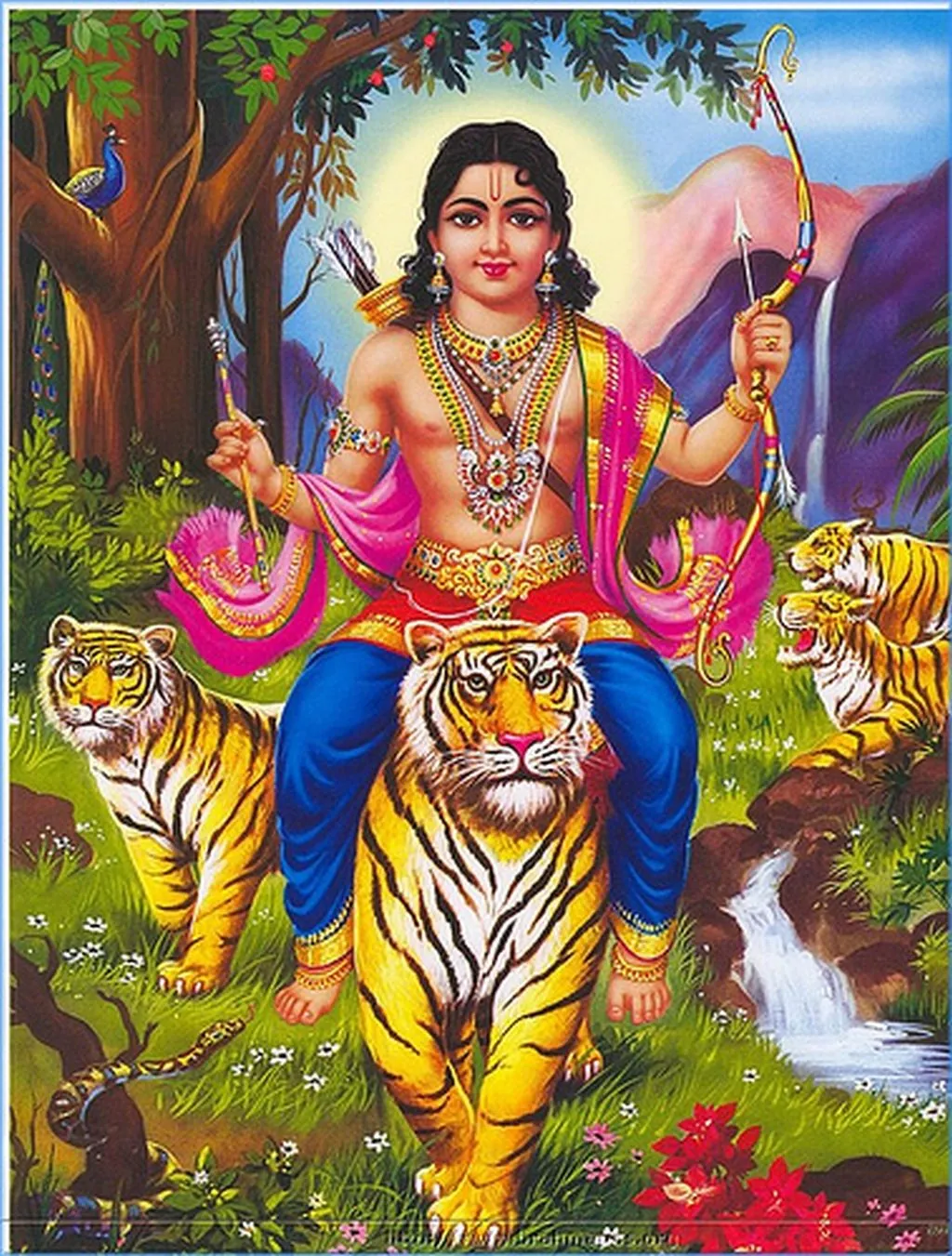
Ayyappa first appeared many centuries ago on Mount Nilgiri in Kerala on his vahana — a Bengal tiger — becoming the center of a great branch of practical philosophy. He is a master of transforming destructive demonic forces. The sage Agastya expressed his greatness with the words: "Immortal, Boundless, Omnipresent Tarakabrahma!"
Swamiyar often visited Ayyappa's abode, and Ayyappa frequently appeared to Swamiyar on Tiger Hill. When Ayyappa decided to return to the celestial abode, Pulinayaka Swamiyar accompanied him to Kailash. However, according to the shastras, any earthly body must die on Earth. Therefore, Swamiyar was born again — as Prabhakara Siddha Yogi in 1263, into an ancient royal lineage founded by the great Parashurama and famous for its rich spiritual traditions.
Birth and Spiritual Path
Parashurama blessed and glorified 64 Brahmin sages of the Namboothiri lineage with their families and granted them authority over parts of the lands of Kerala.
The Brahmins divided into two clans: Akavurmana and Azhvanchery. The Akavurmana clan, to which Maharishi Vararuchi belonged, followed the traditions of the solar dynasty (Surya-vamsha), while the Azhvanchery clan followed the fire dynasty (Agnihotra-vamsha). Maharishi Vararuchi had twelve children. Brahmananda's father and mother came from different clans — his father from Akavurmana and his mother from Azhvanchery — so he is considered the heir to both ancient lineages. The Akavurmana clan was a noble Brahmin lineage from which rulers were chosen. It was involved in rituals and worship and possessed mystical powers; their kingdom included over 900 villages.
One of their palaces was unique: it had 16 floors and accommodated not only many people but also 55 elephants. The inhabitants were called "raja-gurus" — they were revered as spiritual and secular mentors. At birth, Brahmananda received the title of Maharaja, as his father was the ruler of Akavurmana. Swami Brahmananda was born on March 31, 1263.
When he was a child (about 5 years old), the saint siddha Sri Pambatti (one of the famous eighteen Tamil siddhas, the snake charmer) came to the house and suggested that one of the children become his disciple. All the children refused — only Brahmananda said: "I am going." Thus, he voluntarily gave up comforts and attachments and became a disciple of the great sage.
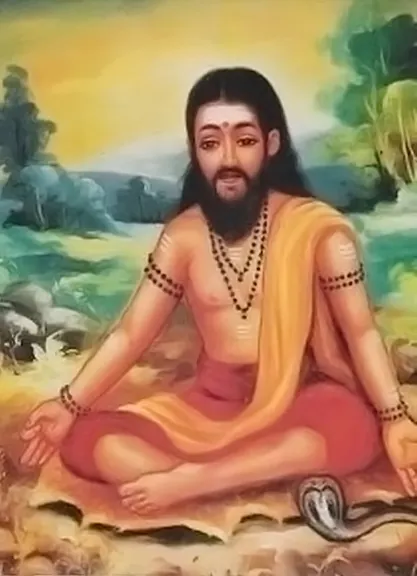
Pambatti Siddhar taught Brahmananda an ancient discipline combining elements of Advaita Vedanta, Tantra, and Siddha Yoga. The training included:
pranayamas and hatha yoga, forming the strength and stability of the body and prana;
laya yoga, directing consciousness into the depths of inner silence;
techniques for controlling subtle energies;
methods related to ashta-siddhis — supernatural powers in yoga.
Over the years, Brahmananda mastered the rarest practices, such as parakaya-praveshana — the transfer of consciousness into another body. It is considered a sign of the highest level of spiritual power and an indicator of complete realization.
Upon his Guru's instruction, he spent seven years in silent isolation high in the mountains. His life during this period consisted of meditation, contemplation, and various practices. After completing his seclusion, he set out on a long journey, preferring not to engage in verbal contact and not to accept gifts. He lived in a state of complete freedom from society, remaining a "hidden yogi," an avadhuta.
Siddhis and Unusual Manifestations
Traditions passed down from witnesses, disciples, and local residents tell of Brahmananda's unusual qualities. He was credited with:
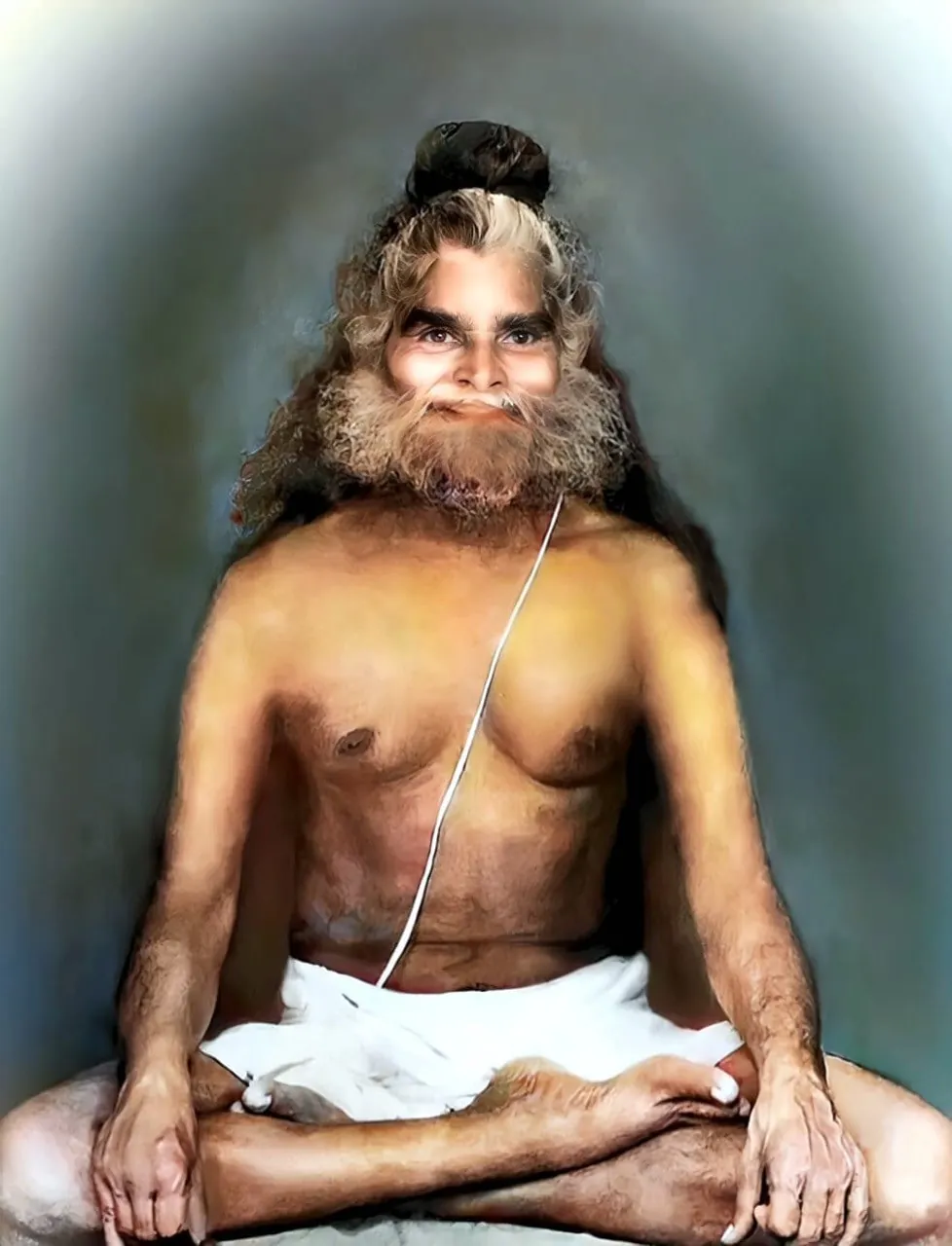
levitation in the lotus posture, remaining suspended above the ground for long periods;
the ability to disappear and appear in different places;
invulnerability to boiling water and fire;
communication with snakes, including poisonous ones, without the slightest fear;
the ability to read thoughts and see future events;
transformation of metals, including turning simple metal into gold;
the ability to leave his body and enter another — an art known only to a few great masters.
All these phenomena were not a demonstration of power — they served only as a byproduct of his inner state, where the limitations of the material world did not exist.
The greatest miracle was his dissolution into light in front of all those present on his astrological birthday. This was published in the newspapers "Mathrubhumi" and "Malayala Manorama." Possessing the power to transfer consciousness, Swami constantly changed bodies, entering the bodies of people of various castes. Thus, having changed about fifteen bodies and dissolving them into Light, Swami lived for 723 years.
Last Years and Mahasamadhi
In his final years, Brahmananda lived in seclusion near a temple on Tiger Hill in Omalloor (Kerala).
There he continued to receive a small number of disciples, passing on to them key elements of the secret Layakshana-Avadhuta lineage.
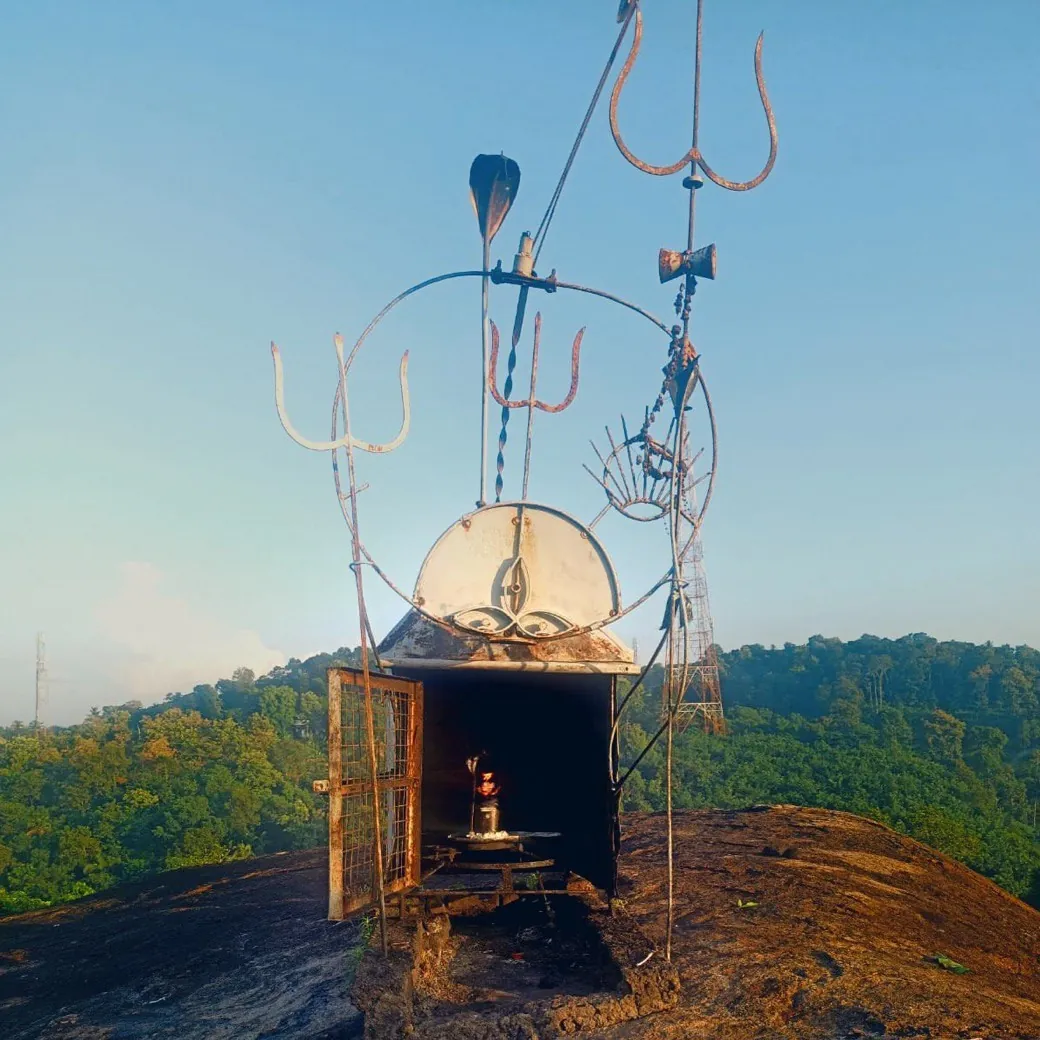
In 1986, he entered Mahasamadhi — a conscious departure from the physical body. After his Mahasamadhi, the body shrank in size to sixty centimeters. It is not subject to decay and emits very strong vibrations, purifying the consciousness of everyone located not only near the temple but also at a great distance from it. Even today, decades later, his body still smells fragrant. Since then, many disciples have said that he continues to come to them in dreams, visions, or during deep meditation. In the tradition, it is believed that such masters cease to be limited by time and space.
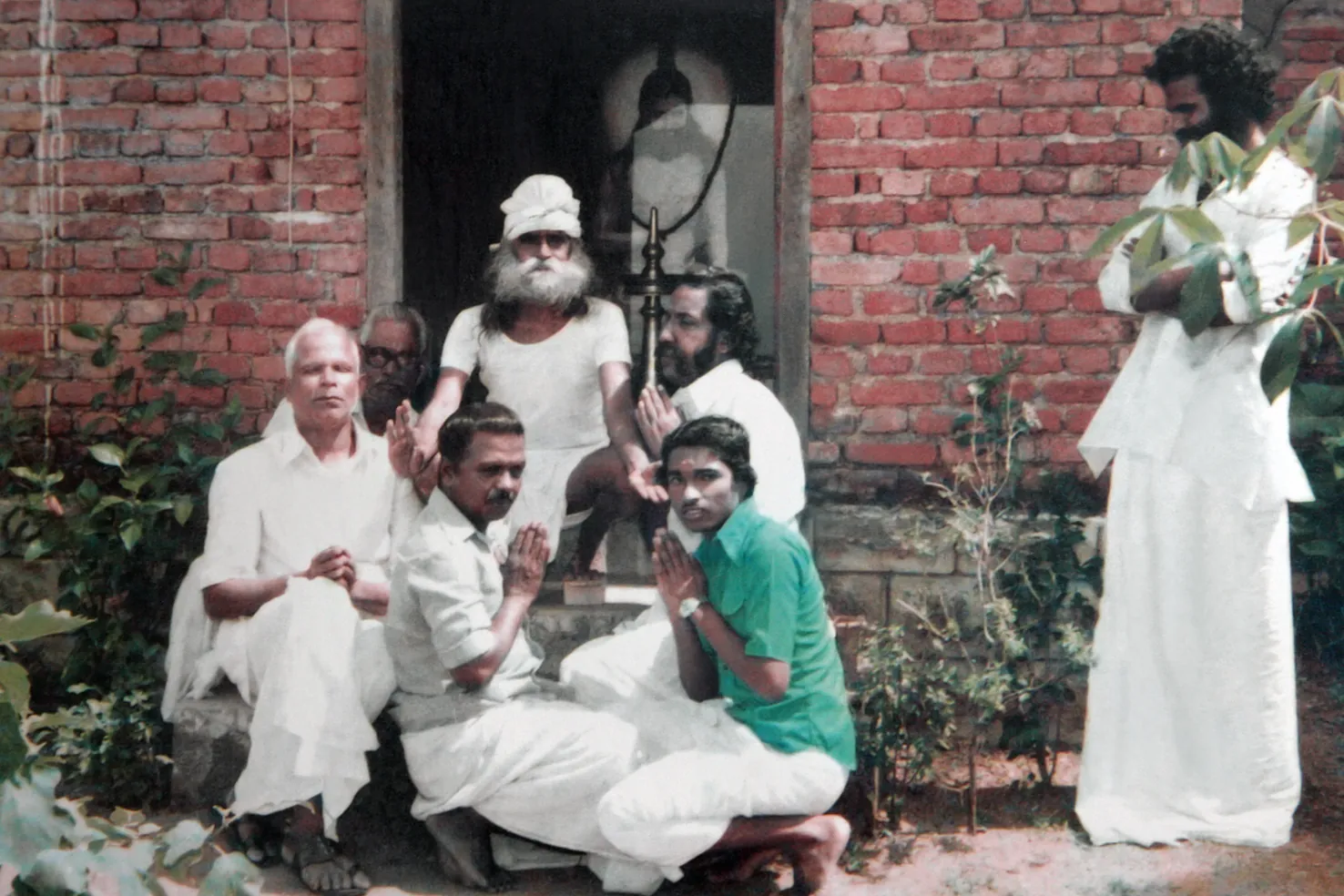
His lineage — ancient, hidden, passed only from master to worthy disciple — continues today, preserving the original teaching of non-duality and inner liberation.
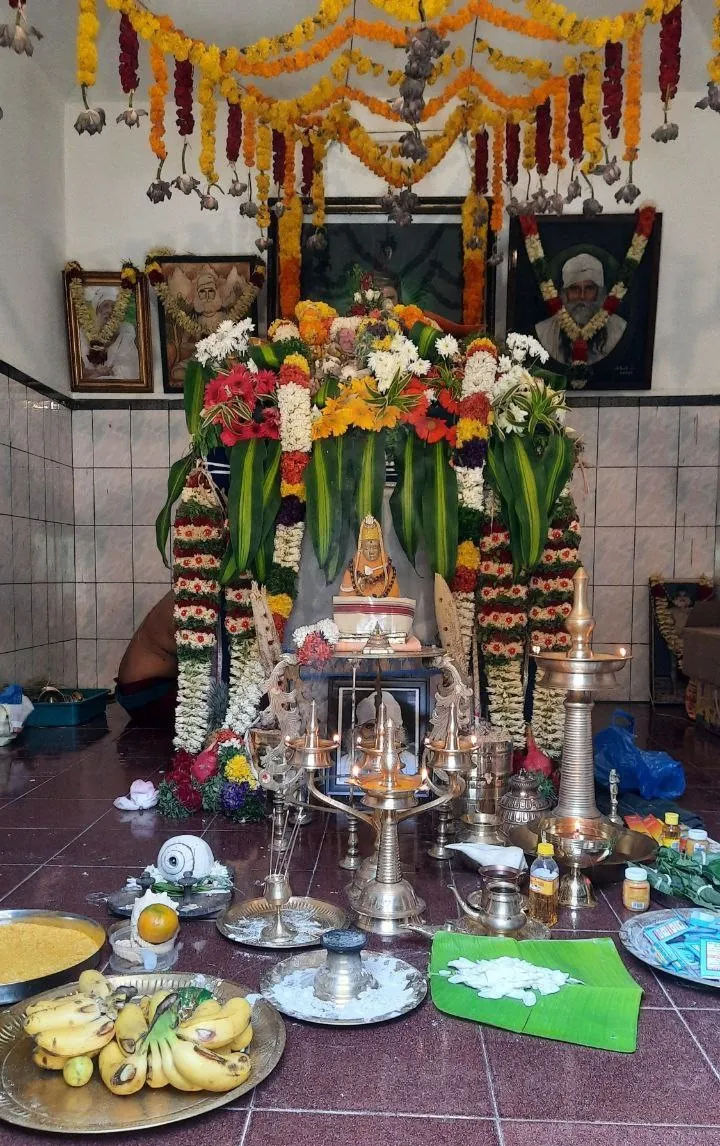
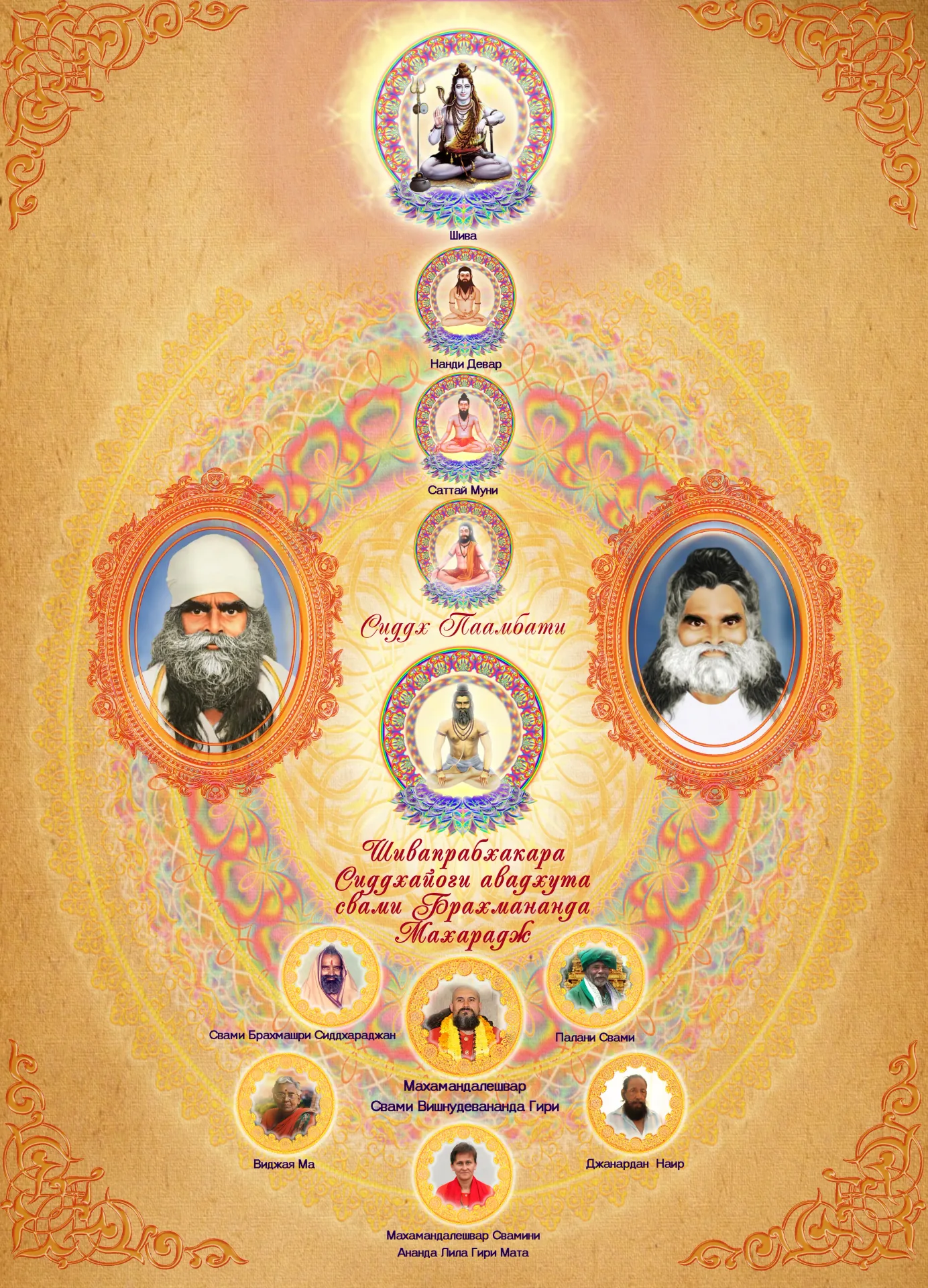
In the 20th century, two of his disciples received the transmission of secret teachings from Swami Brahmananda: Swami Brahmashree Siddharajan and Swami Vishnudevananda Giri. In his records, Brahmananda notes that he places special hopes for the future on his disciple who will live far to the north. Once he called him Maharaj.
Swami Brahmananda Ashram
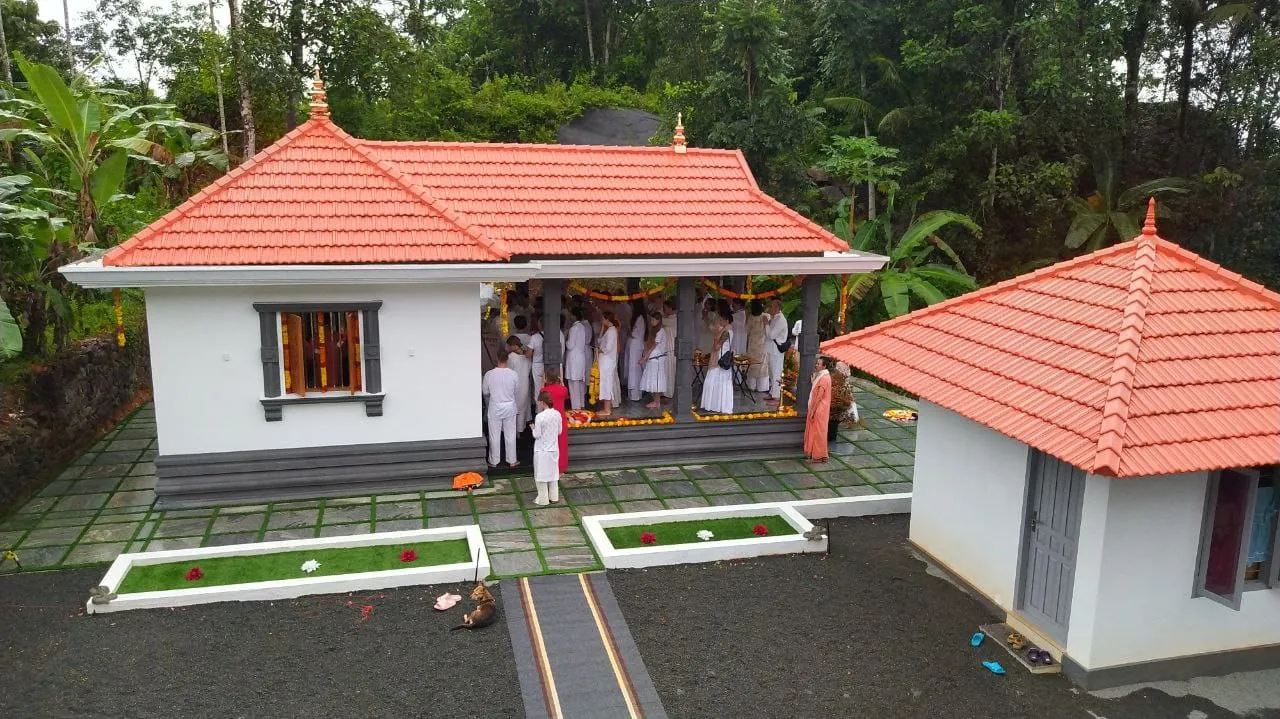
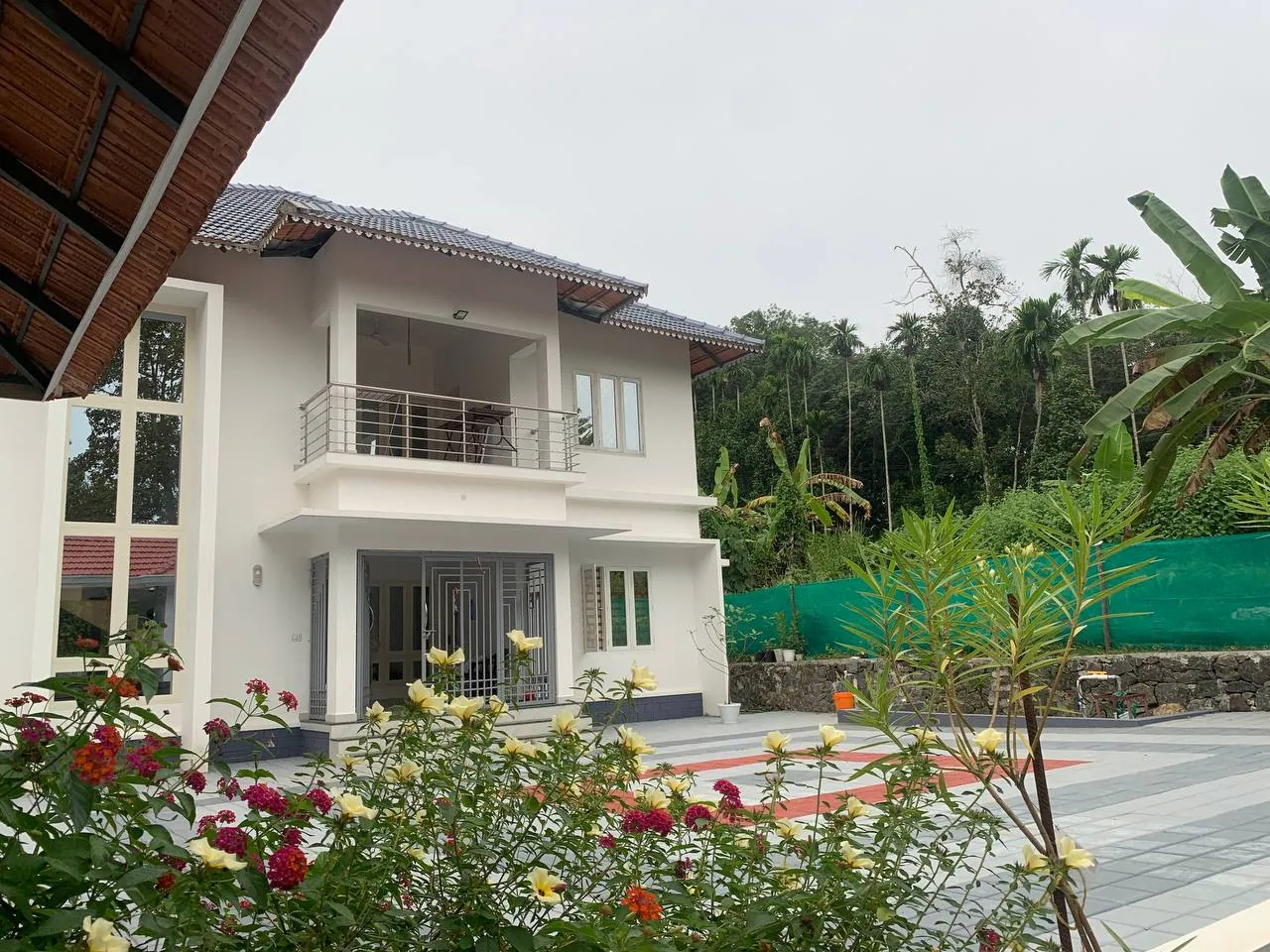
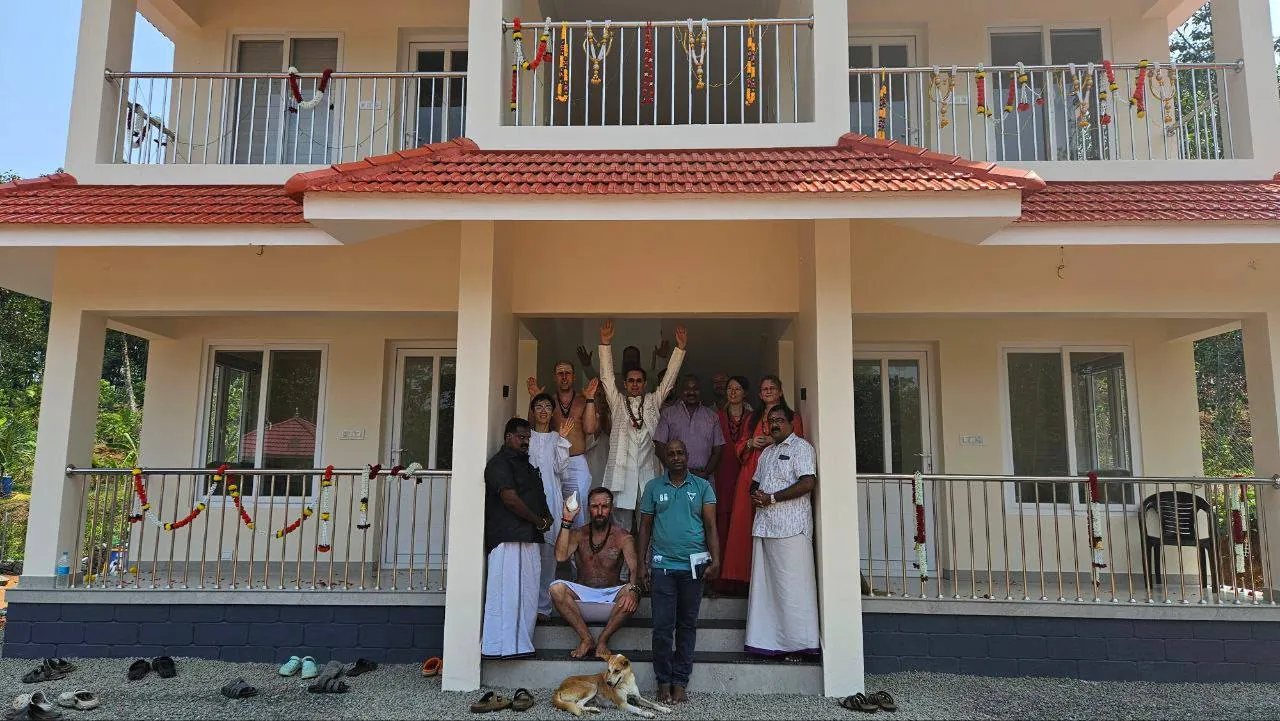
Currently, next to the place of Mahasamadhi, the Prabhakara Siddhashram in Omalloor on Tiger Hill, the Avadhuta Siddha Ashram has been built by the disciples of Swami Vishnudevananda Giri, which includes a main building, a museum, a temple, and a guesthouse.
More on the topic:
Purchase the book "Dancing in Space"
Purchase a sculpture of Swami Brahmananda