

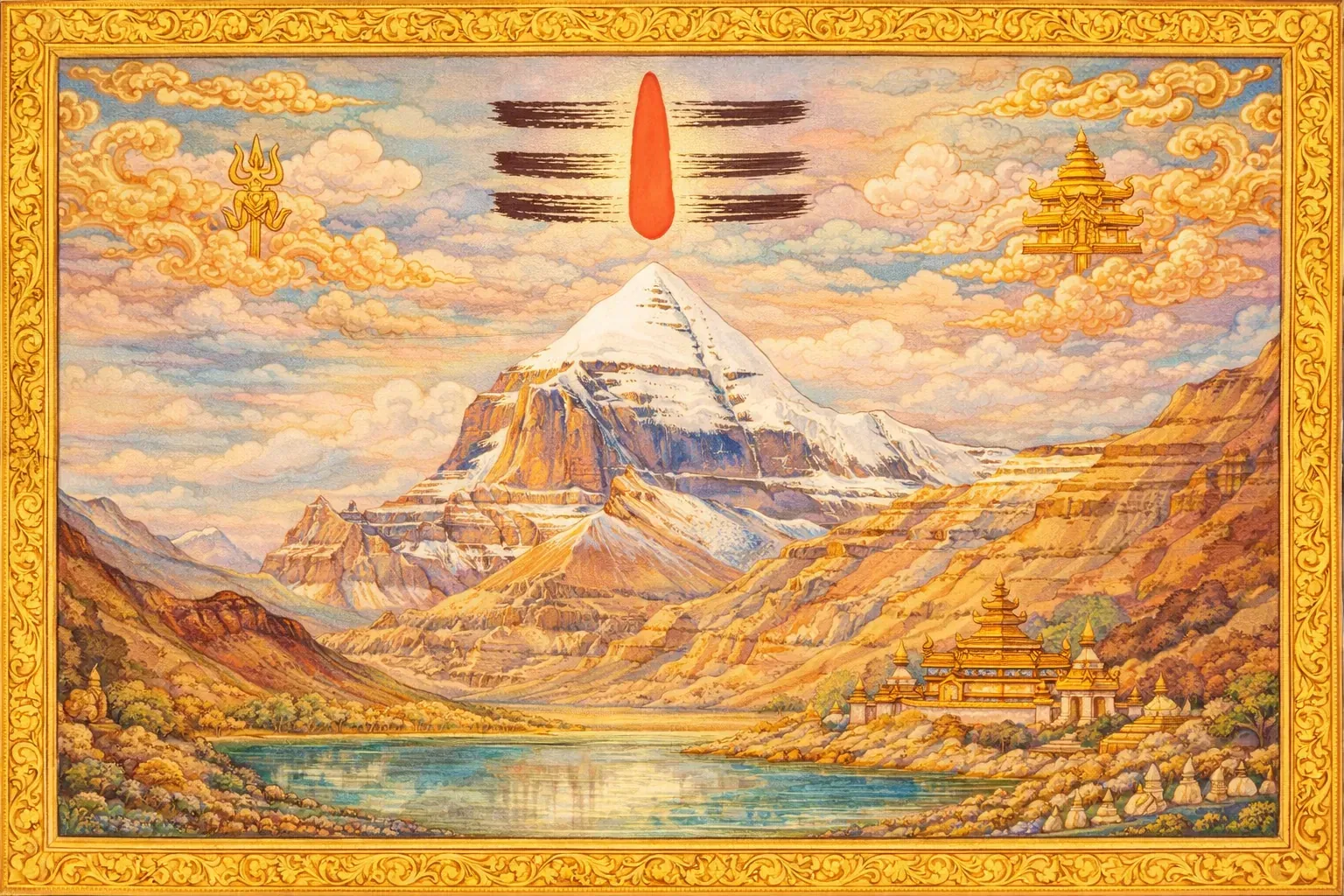
In the system of Hindu cosmology and metaphysics, the Kailash Yatra holds the highest rank among all pilgrimages.
Yatra (Skt. yātrā) originates from the root "ya" (yā), which means "to go," "to move," "to set out on a journey." In the context of Sanatana Dharma, this concept denotes more than just travel, but a sacred pilgrimage undertaken for the purpose of spiritual purification and the realization of religious duty.
According to the "Skanda Purana" (Maheshvara Khanda), being in contemplation of Kailash and bathing in Lake Manasarovar contributes to the elimination of deep karmic imprints (samskaras).
“There is no place more sacred than Kailash, just as there is no lake purer than Manasarovar” (Puranas).
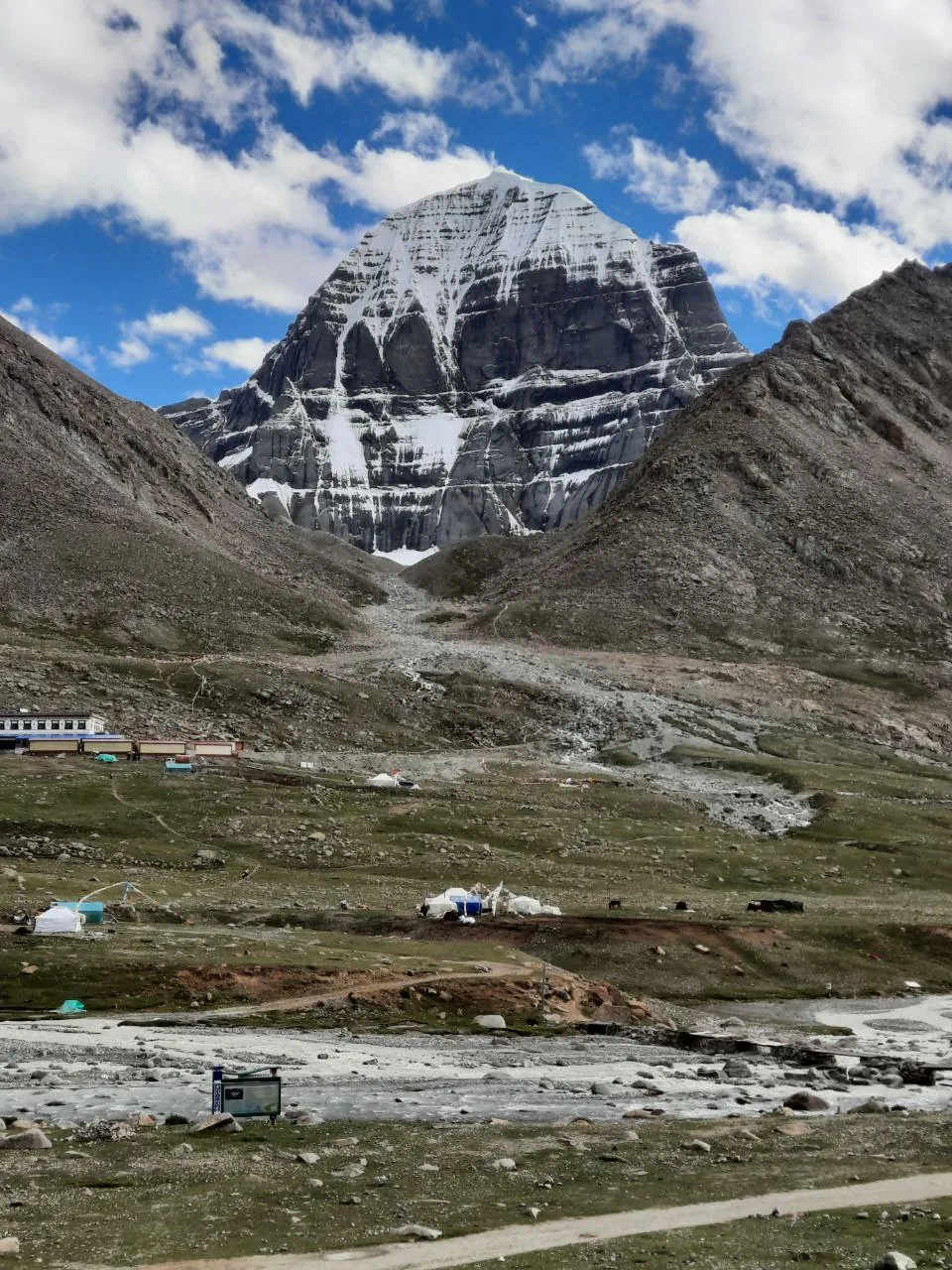
Kailash (Skt. kailāsa) — the etymology of the word goes back to the concept of "crystal" or "radiance." In Vedic and Puranic cosmography, Mount Kailash is regarded as Meru-parvata — the axial pillar of the universe (axis mundi), the earthly embodiment of the celestial abode of Lord Shiva.
Tradition links this region with the most important names in the history of Sanatana Dharma. For followers of various lineages (paramparas), including the southern and northern branches of Shaivism, Kailash is the place of transmission of the highest knowledge — Anugraha. Historically, the pilgrims' path lay through the Himalayan passes, connecting India, Nepal, and Tibet into a single sacred space.
Parikrama (Skt. parikrama) or Pradakshina - the ritual circumambulation of a sacred object in a clockwise direction. This act symbolizes the recognition of the divine center as the foundation of one's own existence.
Pilgrimage Program
The World Community of Sanatana Dharma announces a fundamental Kailash Yatra scheduled for August 2026. The event is organized by monk-disciples (sannyasis) in the tradition of Swami Vishnudevananda Giri, ensuring strict adherence to ritual purity and following the canons of the teaching's transmission.
- Dates: August 2026.
- Duration: 21 days.
- Route Geography: Kathmandu (Nepal) — South Tibet — Lake Manasarovar — Mount Kailash.
- Maximum Altitude: 5650 meters (Dolma La Pass).
- Difficulty Level: Moderately challenging, requiring basic physical fitness and discipline.
Accommodation: hotel/guesthouse.
Key stages of the program:
- Kathmandu (Nepal): Visiting temple complexes with World Heritage status and key centers of the tradition (including Pashupatinath).
- Manasarovar (Skt. mānasasarovara): "Lake of the Mind," created, according to tradition, by Brahma. A period of contemplation and ritual bathing.
Sacred Parikrama: A three-day trek around Mount Kailash, which is the culmination of the pilgrim's ascetic feat.
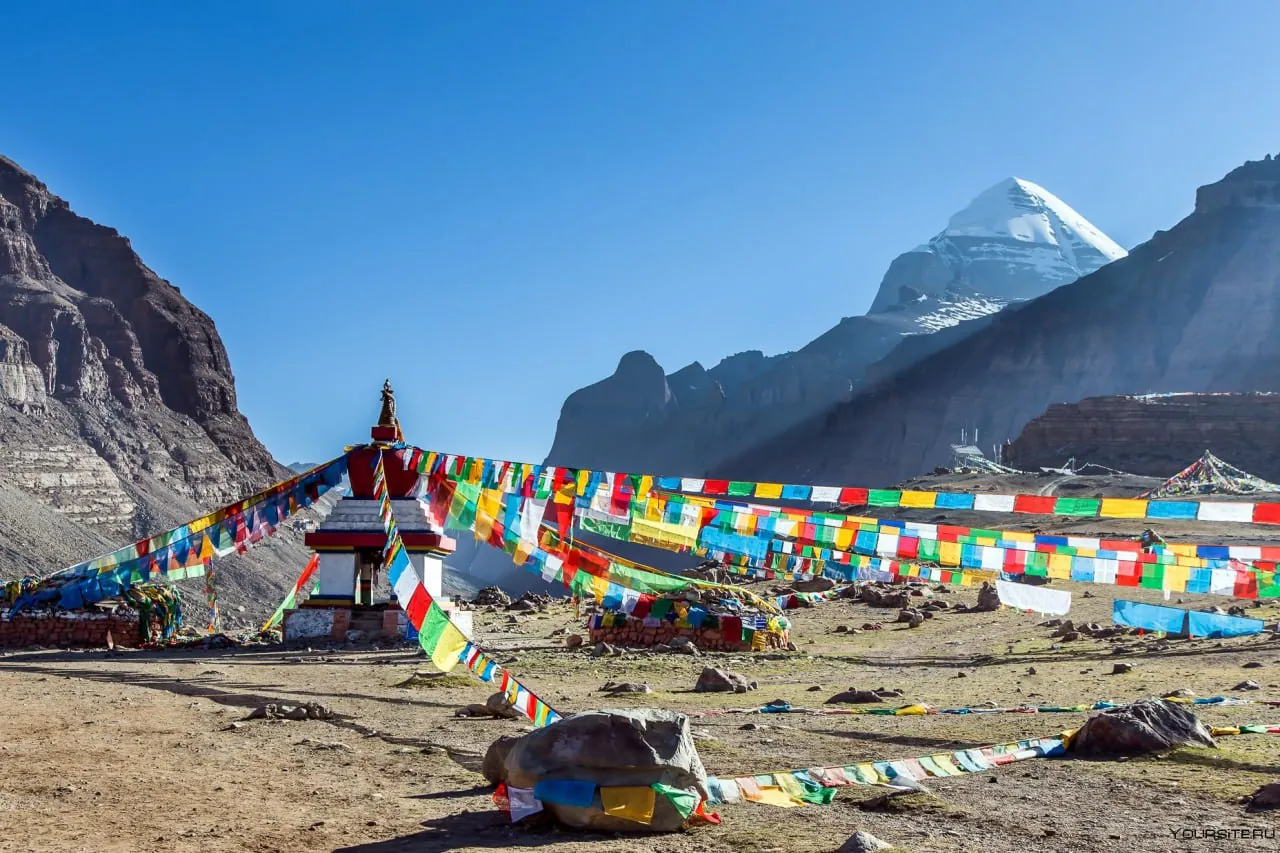
Pilgrimage in the Sanatana Dharma tradition is viewed not as tourism, but as a form of intensive sadhana (spiritual practice). Participating in the yatra under the guidance of experienced mentors allows for the realization of the "tirtha-yatra" principle — the transition from an ordinary state of consciousness to a sacred one.
The physical hardships of the path — altitude, the harsh climatic conditions of the Tibetan Plateau, and long treks — serve as tapas (austerity), promoting the strengthening of will and purification of the mind. For a modern person, this is an opportunity to come into contact with the living lineage of teachers and saints, whose presence is invisibly preserved in these places for thousands of years.
Registration and Detailed Program
To participate in the pilgrimage, preliminary registration is required.
You can review the detailed program, costs, and register at the following link
Contact information for official inquiries:
Telegram: sannyasi Mahadevi
Om Namah Shivaya! Har Har Mahadev!
