

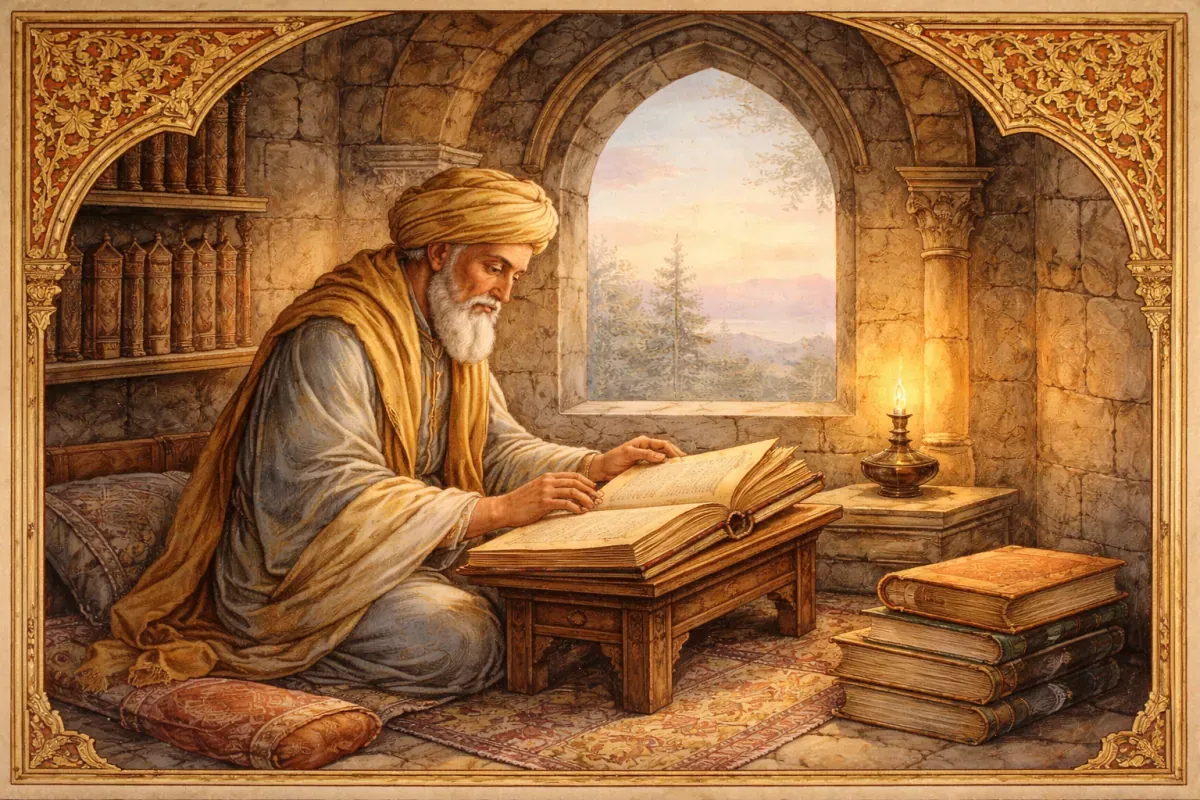
The study of texts in the authentic tradition of Advaita Vedanta and Kashmir Shaivism is strictly regulated by the seeker's level of preparation (adhikara). For the category of experienced followers, literature ceases to be merely introductory and becomes a tool for the direct transformation of consciousness.
The "Taittiriya Upanishad" (1.9.1) states: "svādhyāyapravacane eveti" — "Learning and study are true tapas (austerity)." According to classical canons, the sequence of studying texts should lead the practitioner from external ethical norms to the deepest metaphysical realizations.
The corpus of texts of the World Community of Sanatana Dharma is based on a synthesis of classical shastras (such as Shankaracharya's "Viveka-chudamani") and modern instructions transmitted through the lineage (parampara).
Recommended Sequence for Studying the Teaching
For adepts established in the basic principles of the tradition and possessing the necessary level of discernment (viveka), the following order for mastering the Guru's books is established:
1. Foundations of Metaphysical Realization and Master's Ethics
Primary attention is given to texts describing the very nature of awakened consciousness.
- "The Experience of Enlightenment" — the personal experience of the Guru's three-year retreat.
- "The Master's Code" — a fundamental text revealing the basis of the world order and the spiritual path.
2. Systematization of the Teaching (Siddhanta)
- Collection of Dharmas of the Laya Yoga Tradition, Volumes 1 and 2 — a corpus of texts covering view, wisdom, and method.
- "The Universe of a Jnani" — a vision of the world from the perspective of a realized master.
3. Methods of the Teaching
- "The Phenomenon of Guru Yoga" — an explanation of the key principle of transmitting power and knowledge within the parampara.
- "Wisdom, Method, and the Tree of Teaching" — the structure and hierarchy of the tradition.
4. Specialized Instructions (Upadesha)
A block of texts dedicated to specific stages and qualifications of adepts.
- "Precious Instructions on the 16 Stages" — a description of the gradations of spiritual growth.
- "The Liberating Nectar of Precious Instructions" — a direct introduction to non-dual reality.
- "Precious Instructions on the Ten Acharas" — an explanation of the ten aspects of the Laya Yoga teaching.
5. Highest Contemplative Practice (Nirguna-upasana)
Texts aimed at working with the formless aspect of the Absolute.
- "Akshaya Patra Guhya Upadesha — Nirguna Upasana" — instructions on contemplation without attributes.
- "The Treasure of the Mirror of the Serene Ocean" — a metaphorical and practical description of the state of contemplation.
- "The Source of Consciousness" — an investigation into the primary nature of the subject.
6. Classical Tradition and Methodology of Contemplation
- "Prakriyas of Vedanta" — fundamental concepts in the Advaita tradition.
- "Secrets of Contemplation" — practical aspects of the practice of contemplation.
- "Viveka Chintamani" — the jewel of discernment between the real and the unreal.
7. Practical Application in Laya Yoga and Sahaja Sthiti
- "Fundamental Practices of Laya Yoga" — a guide to the practice of higher methods.
- "Basics of Sahaja Sthiti Practice" — instructions on abiding in the natural state.
- "The Precious Necklace of Instructions on the Path of Divine Play" — concluding instructions on integrating the view into daily activity.
Explanation and Adaptation
For a seeker at an advanced stage, systematic reading serves as a safeguard against "spiritual materialism" and fragmented knowledge. Each text in this list fulfills a specific role: some purify the intellect (buddhi), others direct the will (ichchha), and others reveal intuitive vision (pratibhya).
Reading these works at an advanced level is equated to performing a ritual (puja). It is a process of entering into resonance with the consciousness of the masters of the past and present.
Recommendations for Study:
- Follow the indicated sequence, as each subsequent text relies on the conceptual framework of the previous one.
- Combine reading with daily contemplation practice, verifying theoretical principles through your own experience.
- In case of terminological difficulties, refer to classical Sanskrit dictionaries and commentaries from the lineage.
This reading order is established to prepare students for a deep realization of Advaita principles and to maintain the purity of Dharma within our Community.
