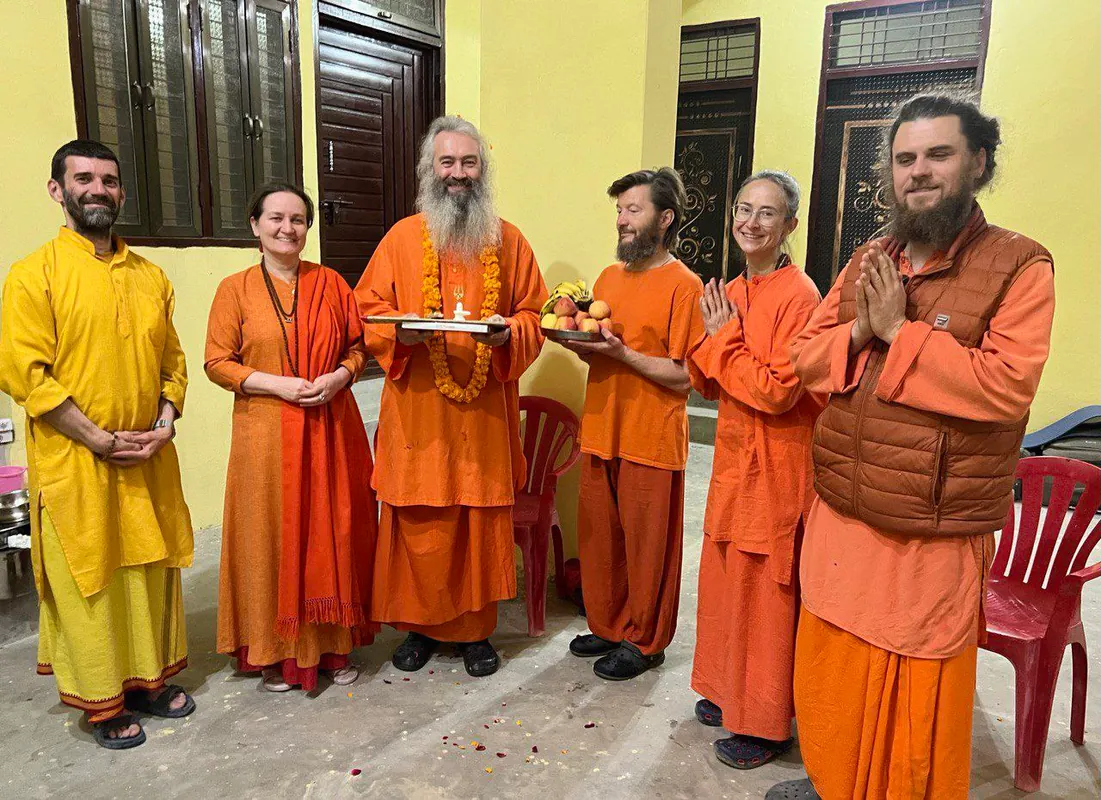
From July 1, 2026, enrollment opens for the Distance Sannyasa School — a spiritual training program for those who feel an inner calling to the monastic path but do not yet have the opportunity to live permanently in the Ashram.
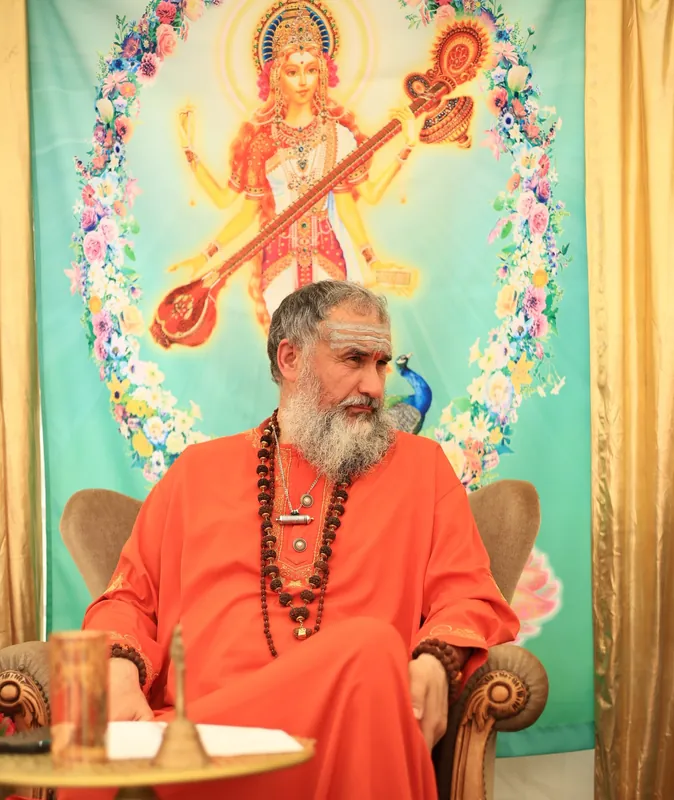
The school was founded at the Shiva Prem Sagar Ashram with the blessing of Sri Guru Swami Vishnudevananda Giri as a distance form of traditional ashram training. Here, study is combined with practice, service, discipline, mentorship, and the gradual acceptance of monastic principles — just as it would be while living in the Ashram.
Who this school is for
The school was created for those who:
- live in the world but inwardly aspire to renunciation;
- wish to prepare consciously and gradually for sannyasa;
- wish to study Advaita, Shaivism, yoga, tantra, monastic discipline, and service in depth;
- are ready to build their life around sadhana, Moksha-Dharma, Guru Yoga, seva, and study;
aspire to become a sadhu in spirit, way of life, and inner orientation — and not merely to acquire knowledge.
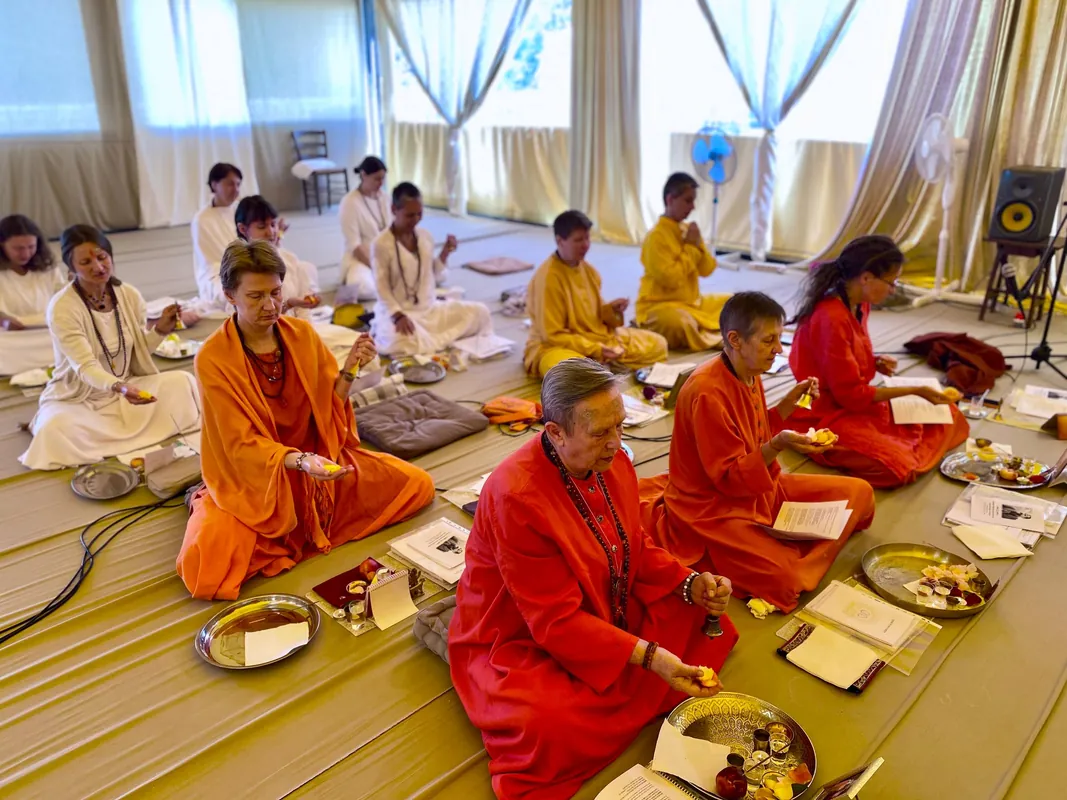
What the Distance Sannyasa School is
It is a 12-year program of spiritual training designed for those who live outside the Ashram: in a city, a family, a profession, a social environment, or a separate secluded place.
The student follows a path of gradual formation:
- from seeker — to disciple,
- from disciple — to sadhaka,
- from sadhaka — to renounced brahmachari,
- from renounced brahmachari — to mature candidate for sannyasa.
Completion of the school in itself does not mean automatic receiving of sannyasa. Sannyasa is bestowed by the blessing of the Guru — when the student is mature, their sadhana is stable, and they correspond to the spirit of the tradition.
Main areas of study
1. The philosophy of Advaita
The teaching on the non-dual nature of the Absolute, Atman, Brahman, maya, liberation, and self-inquiry.
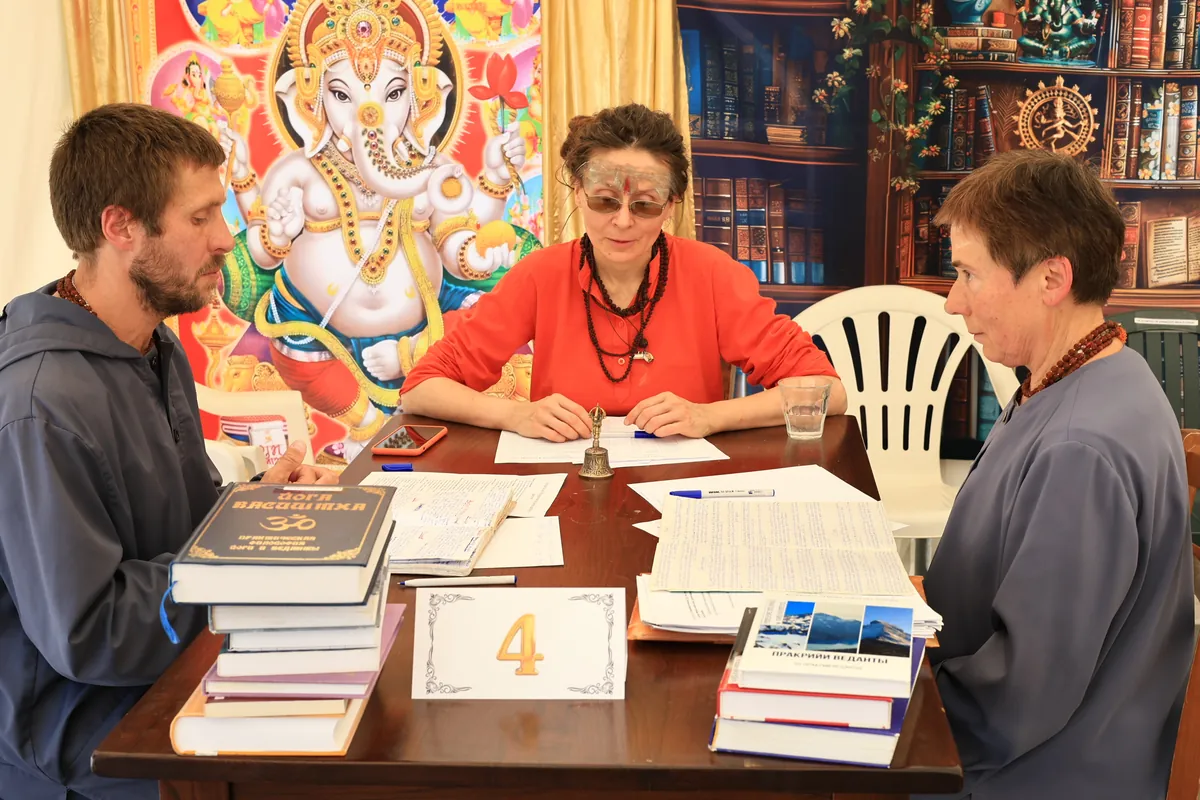
2. Shaivism and the tantric tradition
Shiva as the Supreme Consciousness, Shakti as His divine energy; the principles of sadhana, diksha, mantra, ritual, and spiritual protection.
3. Guru Yoga and the lineage of transmission
The role of the Guru and Guru-tattva, parampara, devotion, obedience, service, and connection with the spiritual lineage.
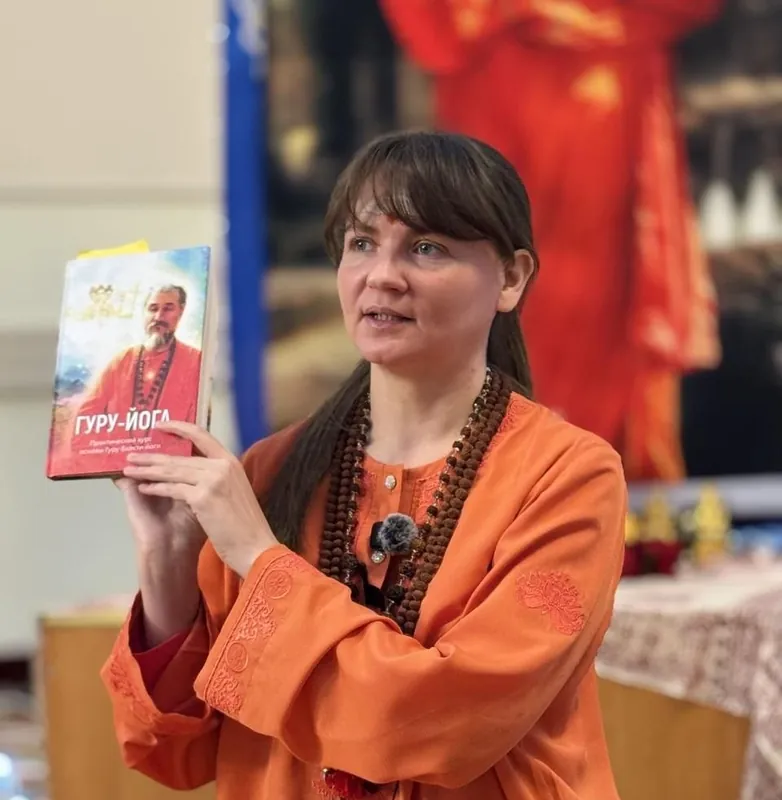
4. Yoga and meditation
Gradual mastery of yama, niyama, asana, pranayama, raja yoga (dharana, dhyana, samadhi), mantra yoga, jnana yoga, laya yoga, kundalini yoga, maya-rupa yoga, jyoti yoga, and other branches of the tradition.
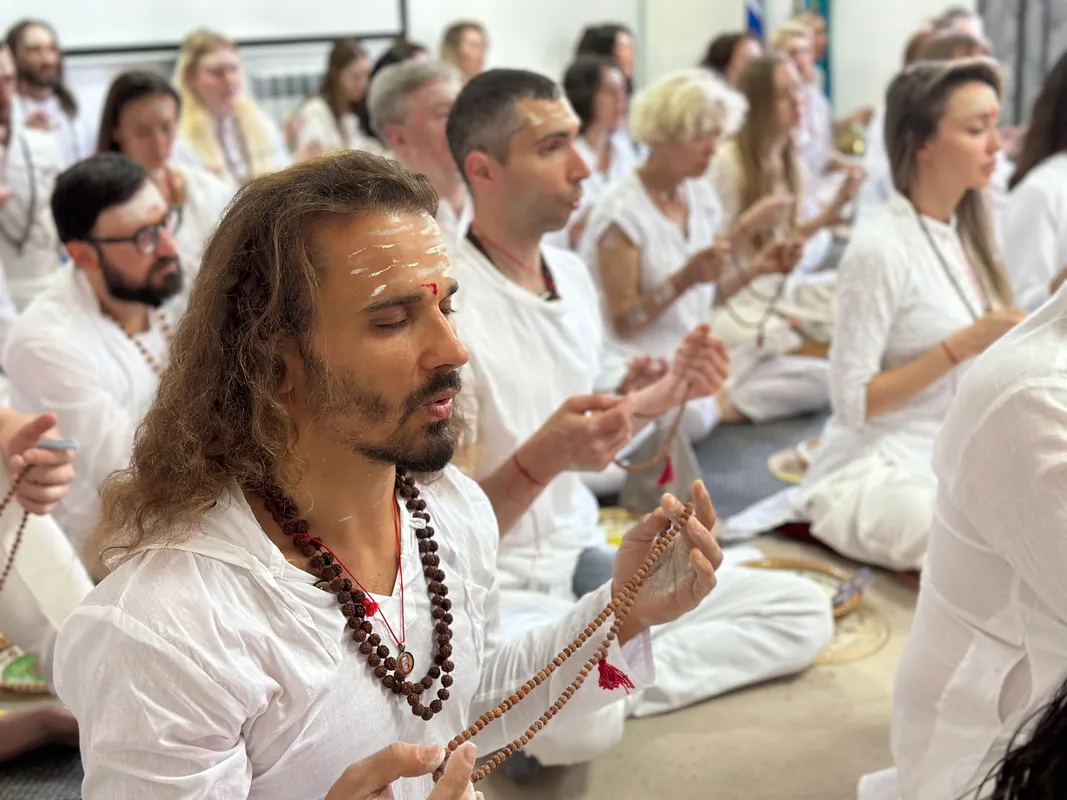
5. Monastic ethics
The principles of renunciation, purity, humility, ahimsa, satya, aparigraha, brahmacharya, and discipline in speech, diet, behavior, and relations with the world.
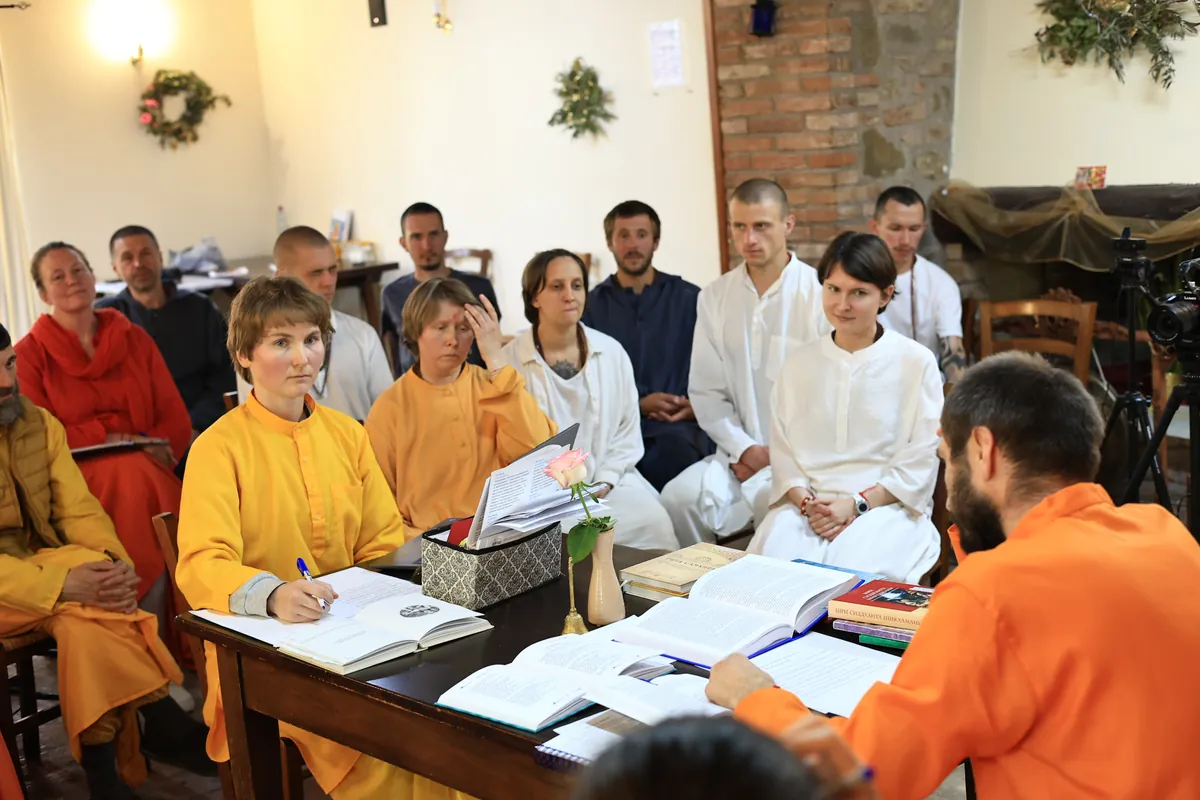
6. Ritual and temple culture. Sanskrit
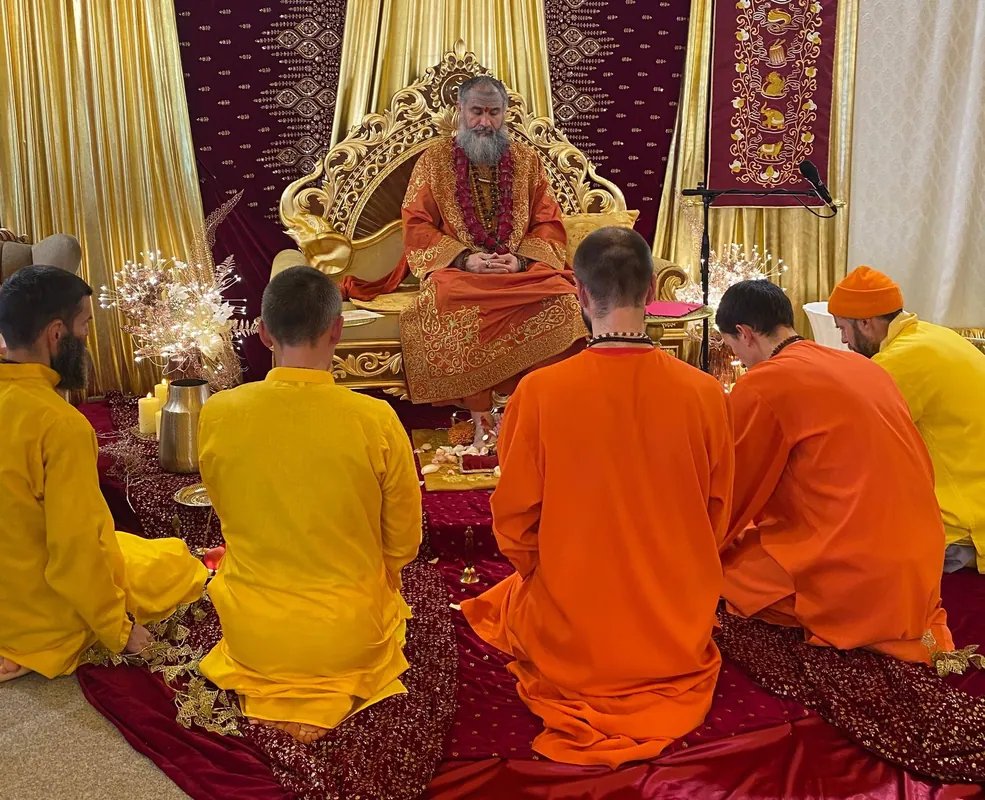
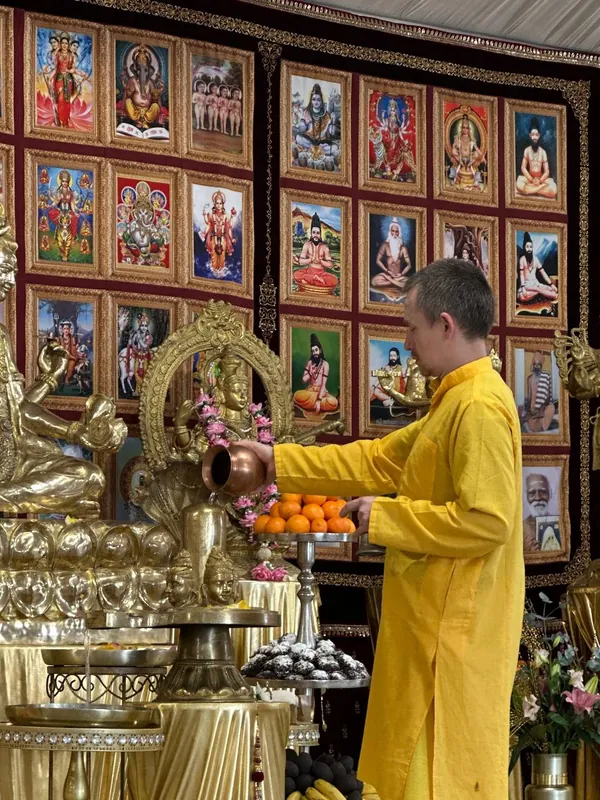
The foundations of puja, homa, yajna, and mantra sadhana; working with the altar, sacred symbols, protective practices, and ritual attributes. Introduction to Sanskrit.
7. Service to the Dharma
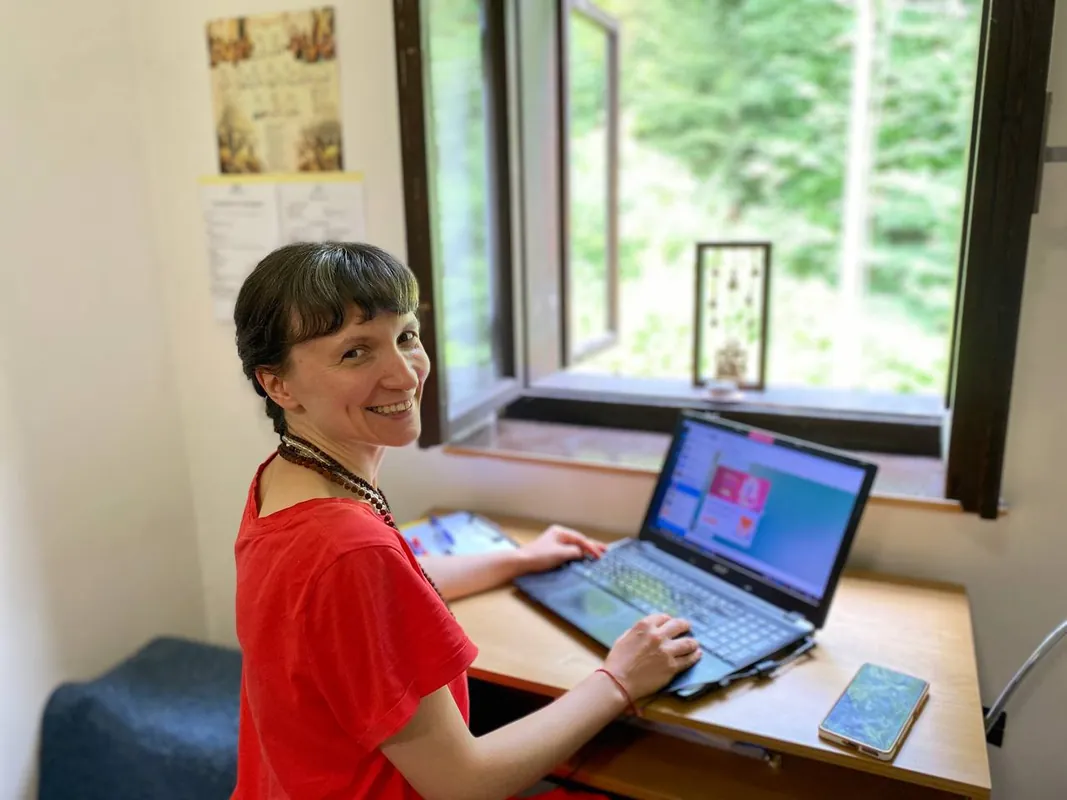
Practical participation in the Guru’s mission: translations, publications, media, event organization, assistance to the Ashram, support for students, and dissemination of the teaching.
8. Retreat practice
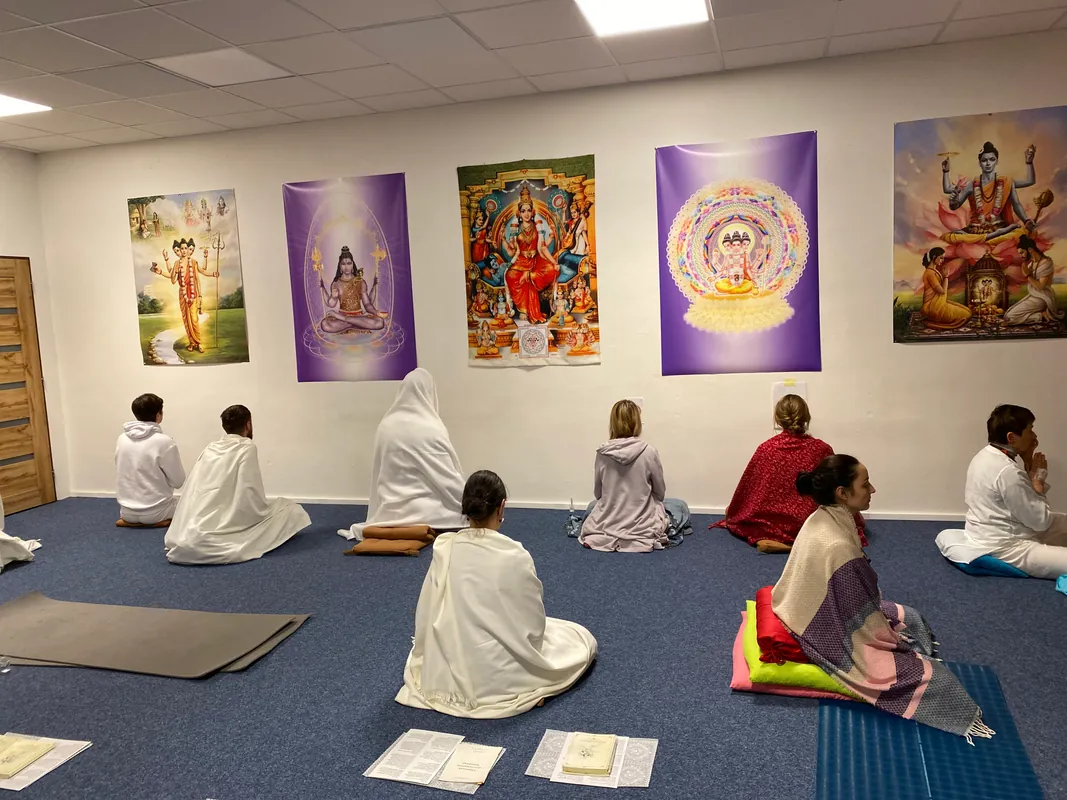
Regular online and in-person retreats, periods of silence, intensive meditation, japa, self-inquiry, and inner purification.
How the training takes place
The training is distance-based, online, with regular contact with experienced monk-mentors.

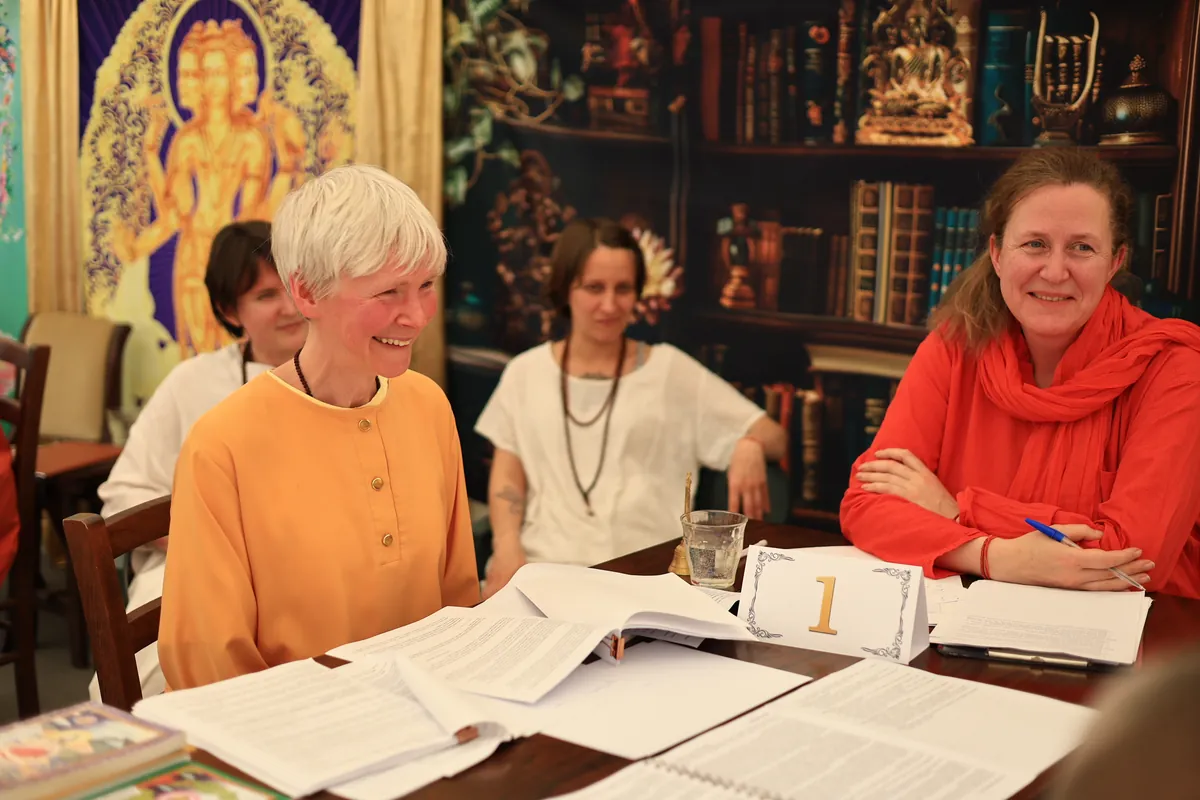
Main formats: online lectures, recordings and study materials, reading of required texts and stotras. In parallel — daily home sadhana, written assignments, assessments, exams, and interviews with mentors. Retreats are also provided separately — online and, where possible, in person, as well as service to the Ashram and the Guru lineage. Once a year — certification.
Each student receives individual spiritual guidance within the framework of the general program.
Duration of Study
The full training cycle is 12 years. During this time, the student does not merely accumulate knowledge: he purifies the mind, character, karma, habits, motivations, relationships with the world, and becomes established in Dharma. This is the length of time the tradition required for the true formation of a sannyasi.
What Is Expected of the Student
The applicant is expected to have:
- sincerity of intention;
- respect for the Guru, the lineage, and the Ashram;
- readiness for discipline and observance of the brahmachari vows;
- regular daily practice (sadhana) and reporting on it;
- study of texts and philosophy;
- participation in the life of the spiritual community and service to Dharma;
- gradual simplification and purification of one’s way of life;
- work with the ego, attachments, pride, desires, and reactions;
readiness to accept guidance.
The Main Goal
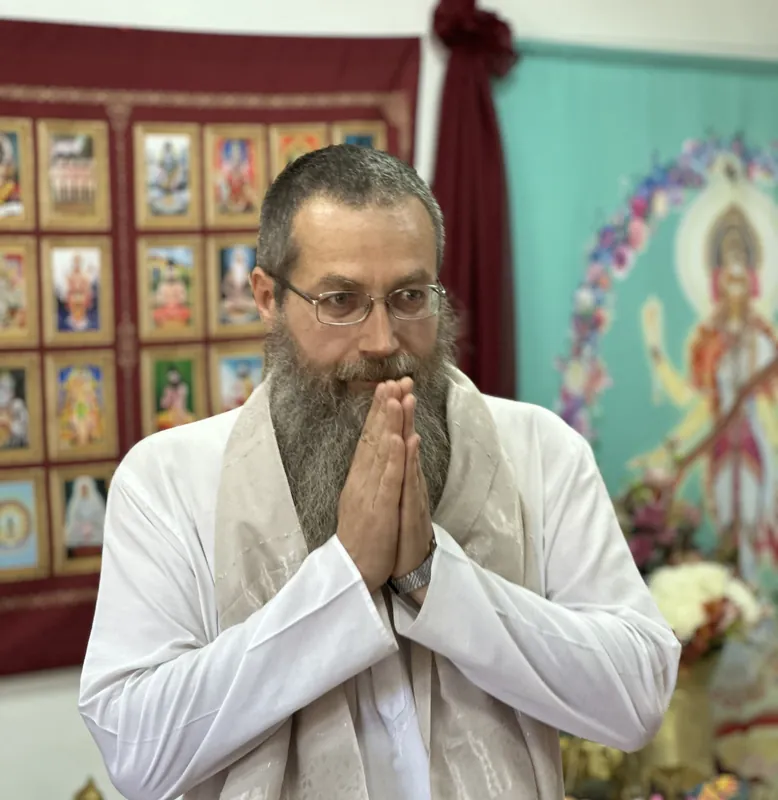
The School was created to help a person gradually become inwardly fit for sannyasa.
Sannyasa is a life dedicated to God, Dharma, Liberation, and service to all living beings. It is the path of those who seek to go beyond egoistic life and dedicate themselves to awakening, purity, compassion, and spiritual realization.
Words of the Guru
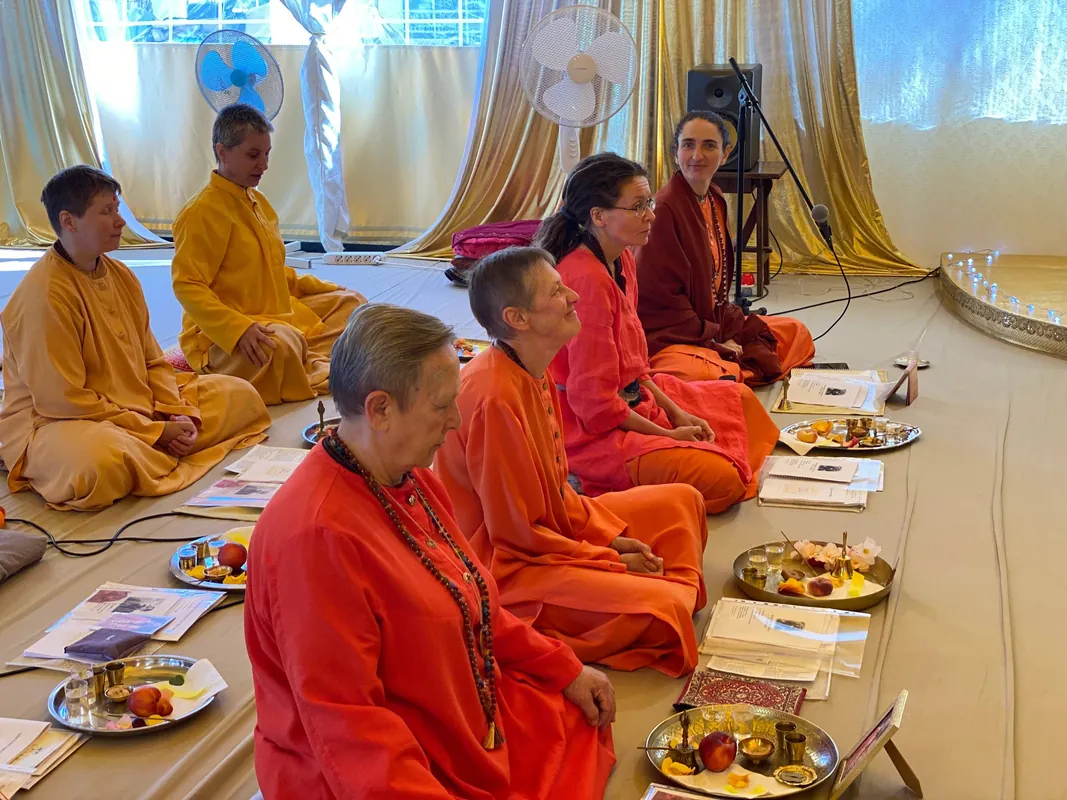
“The meaning of sannyasa-diksha is not in the ceremony, but in the fact that we must make a promise to the divine forces and the saints — in renouncing the old ways, the old life — and firmly enter upon a new path, a new life, so as not to return later.”
— Swami Vishnudevananda Giri
Enrollment opens on July 1, 2026.
For contact and application: sannyasi Adimata Giri (Telegram)