

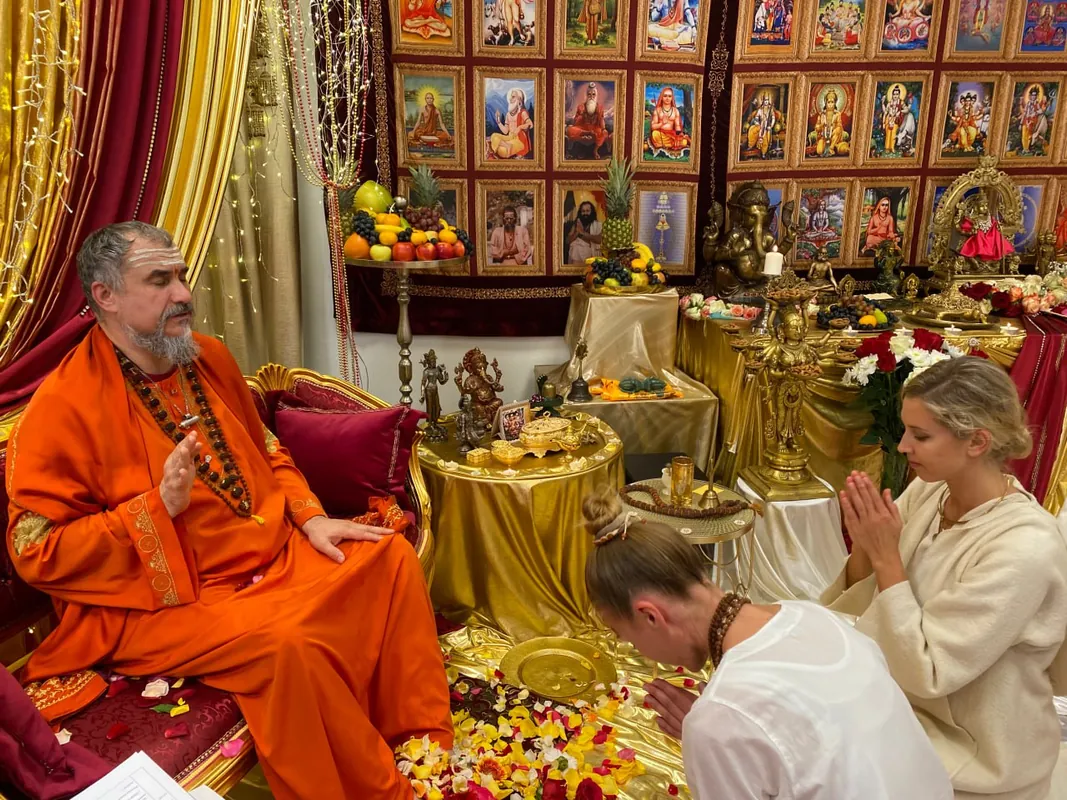
Sharanagati is the conscious acceptance of spiritual refuge, the first step on the path in the Sanatana Dharma tradition. Refuge is not an abstract concept, but a living connection with the Absolute through specific forms: the Teacher, the Teaching, divine forces, and the spiritual community. It is the foundation of all sadhana—without refuge, practice is like a house built on sand.
Taking refuge transforms a vague spiritual search into a conscious and blessed Path.
Learn more about the meaning and philosophy of refuge
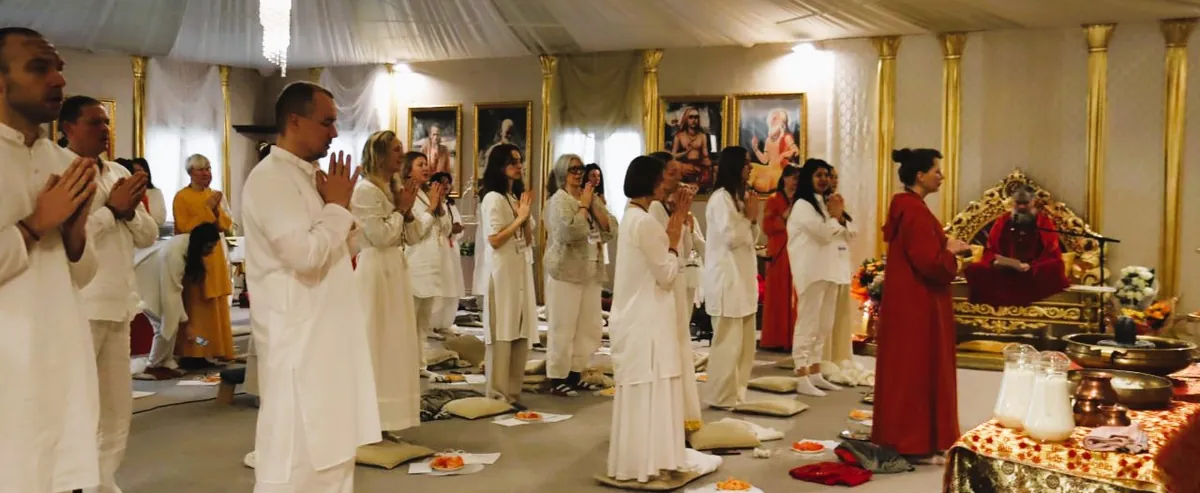
How to Take Refuge: Practical Steps
The formal taking of refuge is performed through the Sharanagati Samskara ritual—a sacred ceremony that requires preparation and sincerity of intention.
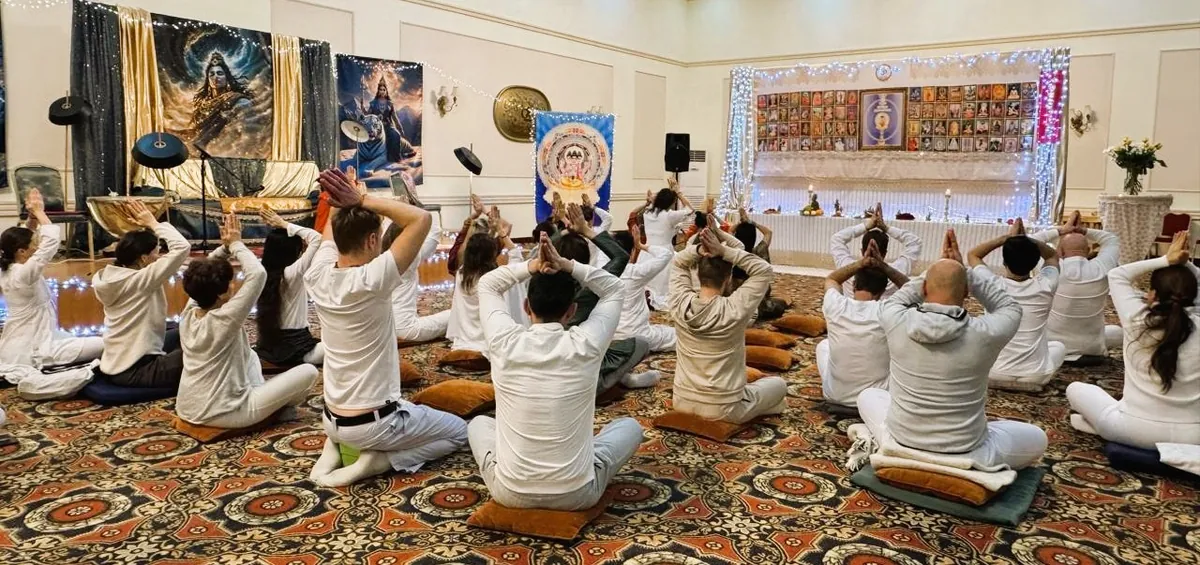
1. Familiarization
Study the tradition’s Creed, which includes the philosophical tenets of Advaita Vedanta and ethical commitments. Make sure that the Teaching resonates with your inner calling.
2. Establishing Contact
Contact an authorized coordinator to arrange the date and place of the ritual.
3. Preparing for the Ceremony
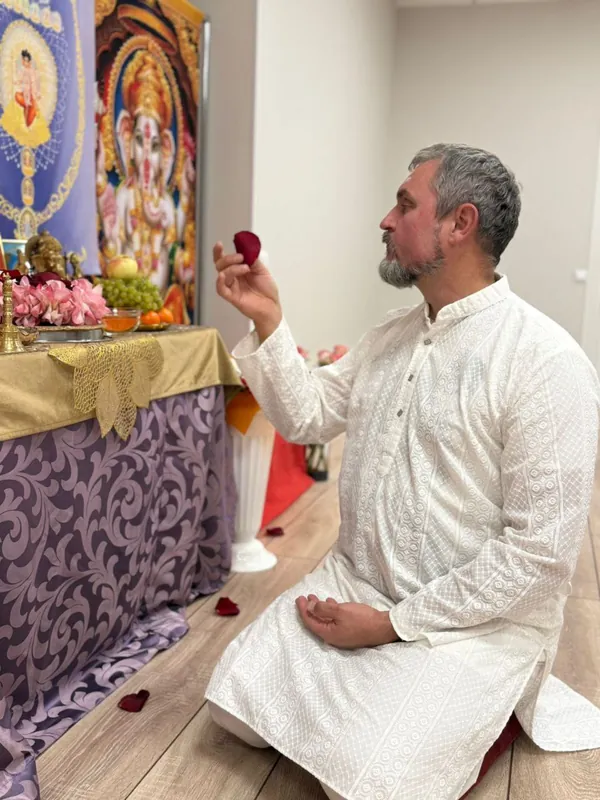
On the day of the ritual:
- Perform a ritual ablution (snana)
- Refrain from eating until the ceremony is complete
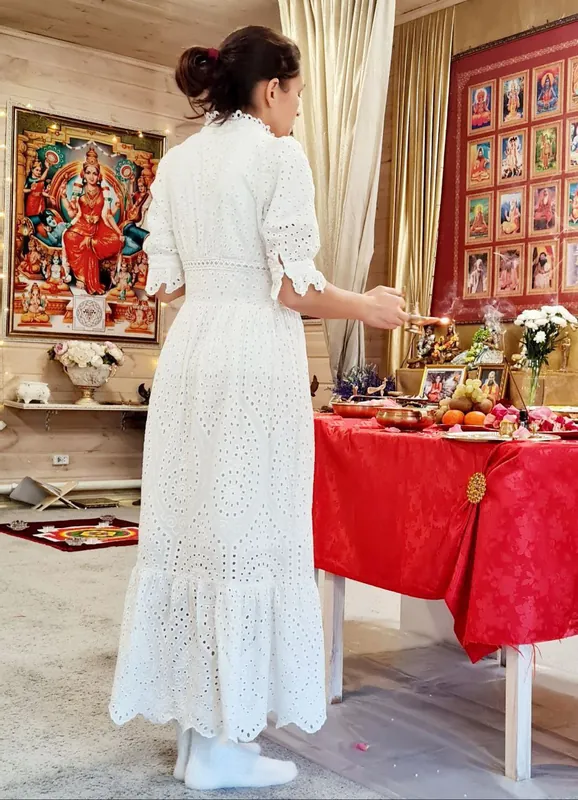
- Wear clean clothes (preferably white, symbolizing purity and sattva-guna)
- Prepare an offering for the altar: fresh fruit, sweets, or flowers
- Prepare a voluntary monetary dakshina (donation) as a token of gratitude
4. Conducting the Ritual
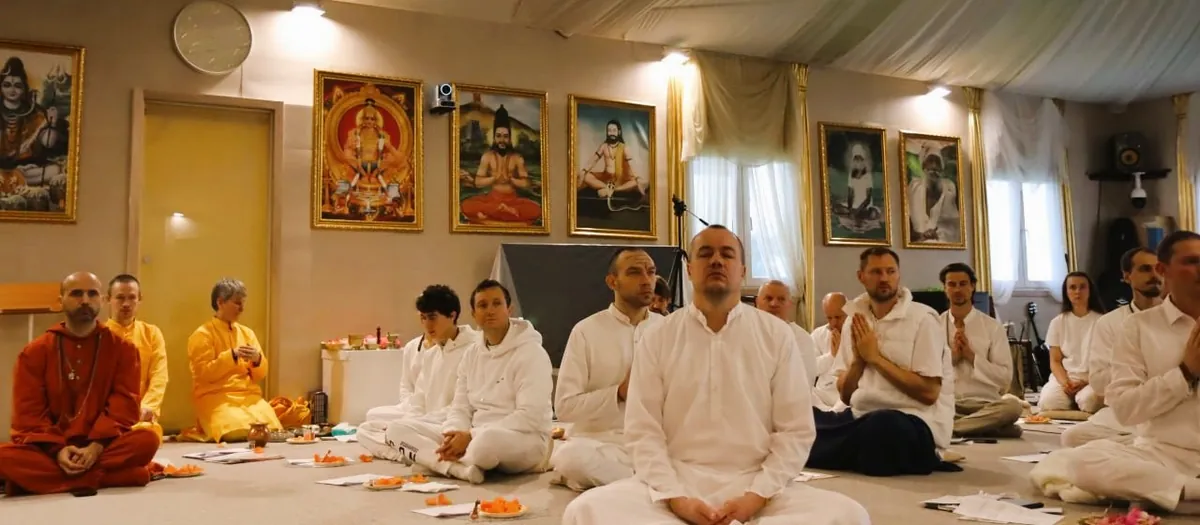
Under the guidance of a monk, before the sacred altar, you recite the text of the Creed, formally take refuge in the Five Jewels (Pancharatna), and receive the blessing of the tradition. The ceremony lasts approximately one hour.
Learn more about the Five Jewels
Commitments of Those Who Have Taken Refuge
Upon becoming an upasaka (a follower of the Teaching), you undertake spiritual commitments.
Pancha Mahavrata—the Five Great Vows:
- Ahimsa—nonviolence in action, speech, and thought
- Satya—truthfulness and commitment to Truth
- Asteya—not taking what belongs to others
- Brahmacharya—control of sexual energy
Aparigraha—abstaining from intoxicating substances and non-possessiveness
Pancha Nitya Karma—the Five Constant Duties:
- Upasana—daily puja and meditation
- Utsava—celebrating the tradition’s sacred days
- Tirtha Yatra—pilgrimages to holy places
- Dharma—fulfilling one’s social and spiritual duty
- Diksha—receiving spiritual initiations
Learn more about the vows and duties of a grihastha
Frequently Asked Questions
Does taking refuge mean “converting to Hinduism”?
Formally, yes—it means entering Sanatana Dharma. But in essence, it is not a change of religious affiliation, but a personal turning toward the Divine within oneself, the beginning of conscious faith in one’s own divine potential. It is a spiritual awakening, not an administrative procedure.
What if I cannot observe all the vows perfectly?
Taking refuge establishes a direction; it does not demand immediate perfection. What matters is sincere intention and daily effort. Spiritual development is a gradual process, and temporary setbacks are natural. The main thing is to return to the practice with renewed determination.
What rights and opportunities will I gain?
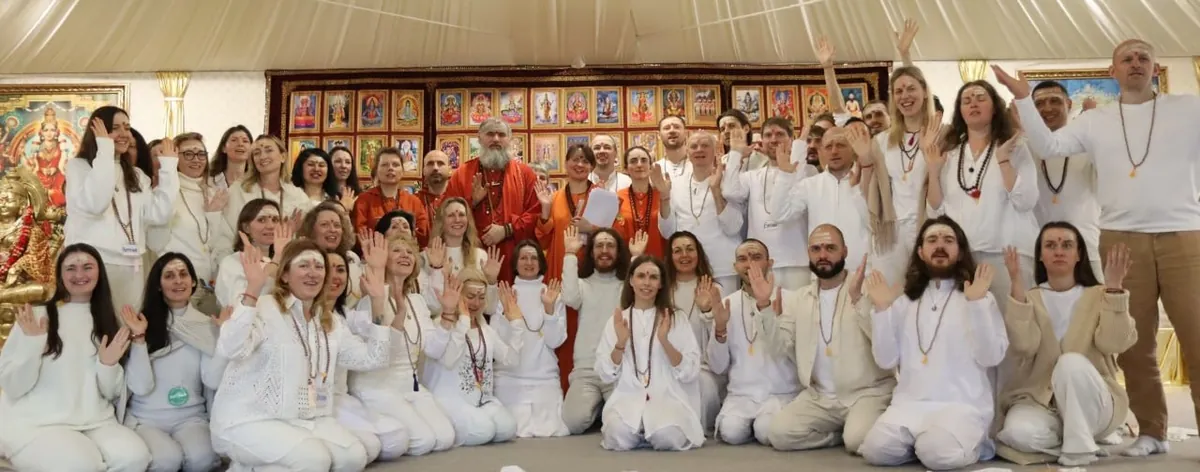
You will gain the right to study advanced methods of the Teaching, access to restricted study materials, spiritual guidance (upadesha) from mentors and the Guru, and full membership in the sangha, including participation in internal ceremonies, retreats, and group practices.
Explore the Topic in Greater Depth
- Sharanagati: the Meaning of Spiritual Refuge—what refuge is, why it is needed, and its connection with the Absolute
- Pancharatna: The Five Jewels of Refuge—Shiva, Shakti, Sadguru, Dharma, Sangha
- The Refuge Mantra and Daily Practice—Pancharatna Pranama with mudras
- Vows and Commitments of a Grihastha (Layperson)—the vows and duties of a layperson
