Namaste!

item image

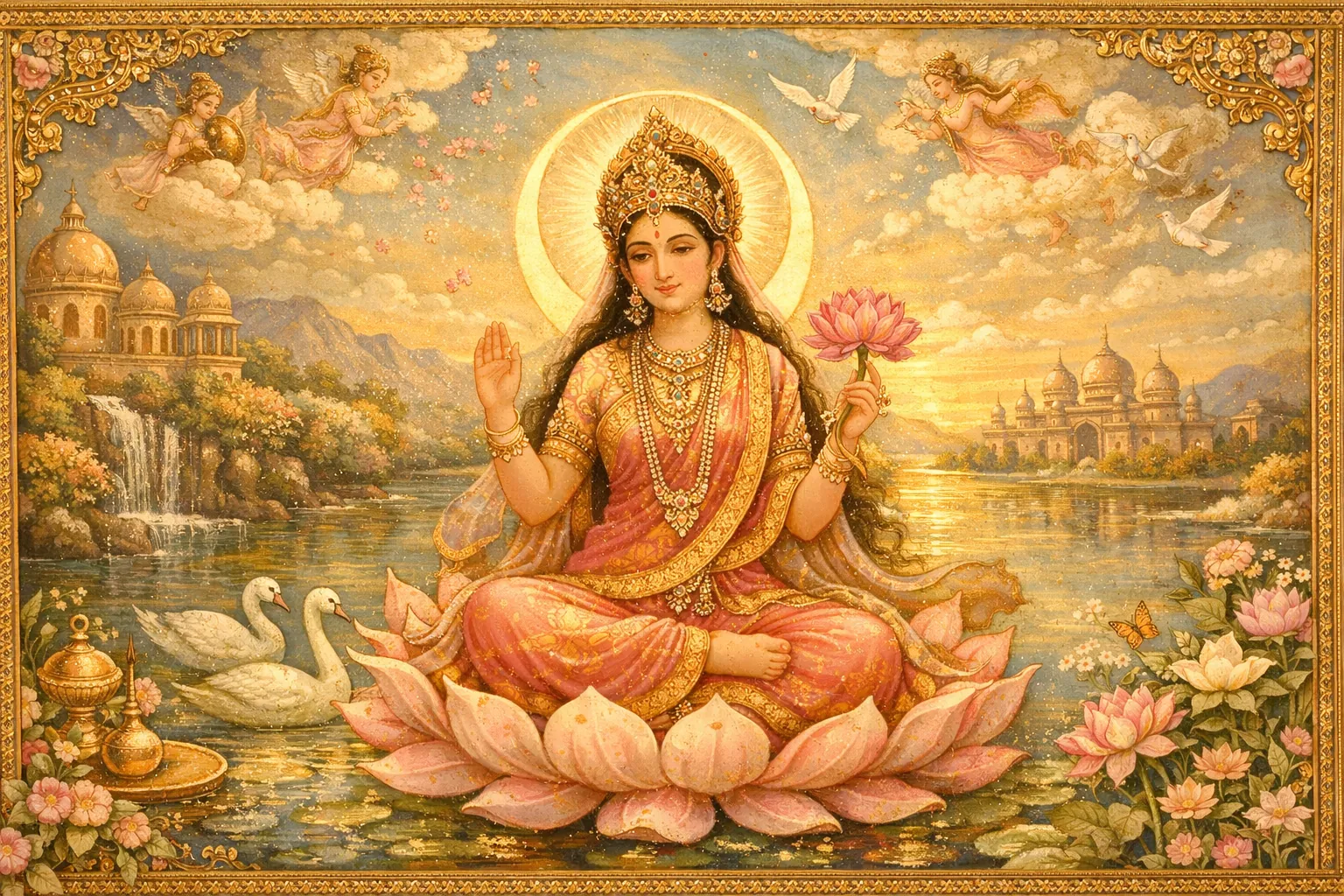
Shakti in Kashmir Shaivism

author •date 22.07.2026 •duration 10 min. reading •views 14 просм.

Shakti (śakti) in Kashmir Shaivism is not merely divine energy or power, but the fundamental principle of nondual reality—the dynamic dimension of Shiva's static consciousness. Unlike dualistic traditions, in which Shakti is understood as an entity separate from Shiva, Kashmir Shaivism affirms their absolute unity (śivaśaktyaikātmya), wherein Shakti is the inherent creative power of Paramashiva himself. This nondual concept of Shakti permeates the entire philosophical system of Kashmir Shaivism, from the metaphysical principles of Trika and the dynamic philosophy of Spanda to the practical methods of Kula and the epistemol
ShaktiKashmir Shaivism
item image

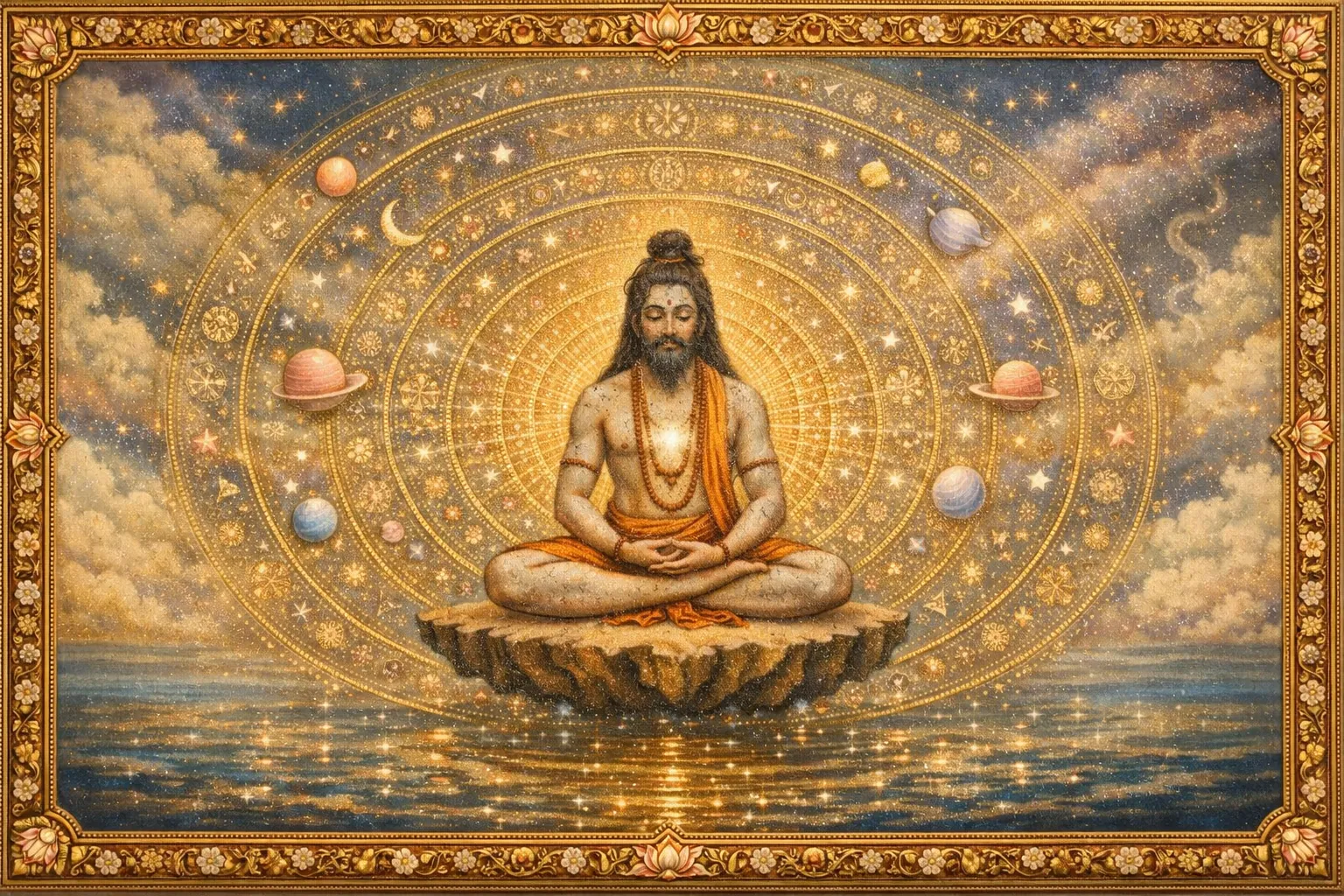
Spanda

author •date 22.07.2026 •duration 7 min. reading •views 11 просм.

Spanda (Sanskrit: स्पन्द, spanda) is a fundamental principle of Kashmir Shaivism denoting the subtle vibration, pulsation, or oscillation that is the essential nature of supreme Consciousness (Shiva). This dynamic pulsation is the primordial creative force of the universe, which simultaneously manifests the world of forms and sustains it in being, while itself remaining immutable and absolute. Etymology The term “spanda” derives from the Sanskrit root “spand” (√spand), meaning “to quiver,” “to vibrate,” “to oscillate,” or “to pulsate.” It is a neuter noun formed from the verb “spandate,” denoting a special kind of movement

SpandaKashmir Shaivism
item image

Shiva Tattva

author •date 22.07.2026 •duration 4 min. reading •views 17 просм.

Shiva-tattva (Sanskrit: शिवतत्त्व, Śiva-tattva) is the first and highest of the ontological categories of the 36 Tattvas, denoting the absolute principle of pure consciousness, free from any distinction between subject and object. This is the level at which consciousness abides as the nondual unity of light (Prakasha) and bliss. Etymology The term “Shiva-tattva” (śiva-tattva) consists of two Sanskrit components: “Shiva” (śiva), from the root √śvi, meaning “auspicious,” “benevolent,” or “pure,” and “tattva,” formed from the pronoun “tat” (“that”) with the suffix “-tva,” expressing an abstract quality or “thatness.” Thus, “t

36 TattvasKashmir ShaivismShiva-tattva
item image

Shakti Tattva: The Energy of Consciousness in Kashmir Shaivism

author •date 22.07.2026 •duration 5 min. reading •views 13 просм.

Shakti-tattva (Sanskrit: शक्ति-तत्त्व, śakti-tattva) is the second of the five “pure” tattvas of Kashmir Shaivism: the pure nondual energy-awareness of the Absolute (vimarsha), in which bliss (ananda) predominates and through which its absolute freedom (svatantrya) operates. Through this power—inseparable from the light of consciousness (prakasha) and Shiva-tattva—will (iccha) provides the first impulse for cosmic unfolding. Etymology Shakti derives from the Sanskrit root shak, “to be able, to have the power,” and means “power” or “active energy.” The feminine noun is formed with the suffix -ti, denoting the abstract conce

36 TattvasShakti-tattvaKashmir Shaivism
item image

Trika: The Philosophy and Practice of Kashmir Shaivism

author •date 22.07.2026 •duration 4 min. reading •views 20 просм.

Trika (Sanskrit: त्रिक, trika) is one of the key philosophical and practical systems of Kashmir Shaivism, literally meaning “trinity” and referring to the threefold structure of reality, comprising Shiva, Shakti, and individual consciousness (nara). Etymology The term “Trika” (trika) derives from the Sanskrit numeral “three” (tri) with the addition of the suffix “ka,” forming a noun meaning “trinity” or “triad.” In the context of Kashmir Shaivism, it refers to the fundamental threefold structure permeating all of reality. Philosophical Significance Trika philosophy is a comprehensive non-dualistic (Advaita) system integrat

Kashmir ShaivismTrika
item image
author •date 22.07.2026 •duration 6 min. reading •views 21 просм.

Spanda Shastra (Sanskrit: स्पन्दशास्त्र, spandaśāstra) is one of the four main philosophical schools of Kashmir Shaivism, focused on the doctrine of spanda—the primordial vibration or pulsation of absolute consciousness underlying the entire universe. Etymology The term “Spanda Shastra” consists of two Sanskrit words: “spanda” (स्पन्द, spanda)—“vibration,” “pulsation”—and “shastra” (शास्त्र, śāstra)—“teaching,” “science,” “treatise.” Thus, Spanda Shastra literally means “the doctrine of vibration” or “the science of cosmic pulsation.” Philosophical Significance The Spanda school is a philosophical and practical system deve

SpandaTeachingShastraKashmir Shaivism
item image

Sadashiva tattva

author •date 22.07.2026 •duration 5 min. reading •views 14 просм.

Sadashiva-tattva (Sanskrit: सदाशिवतत्त्व, sadāśiva-tattva) is the third “pure” category in the system of 36 tattvas and the first threshold of cosmic manifestation, where will (Iccha-shakti) predominates and experience is expressed as “I am this” (aham idam). At this level, the radiance of the subject prevails, while objectivity is present as a barely discernible hint—the nascent universe within the nondual consciousness of Paramashiva. Etymology The term “Sadashiva” derives from sadā, meaning “always, eternally,” and śiva, meaning “auspicious, whole.” The semantics of the name emphasize the immutable divinity of conscious

Pure tattvasKashmir Shaivism36 TattvasSadashiva-tattva
item image

Raga Tattva

author •date 22.07.2026 •duration 7 min. reading •views 15 просм.

Rāga-tattva (Sanskrit: रागतत्त्व, rāga-tattva) is the ninth tattva in the system of 36 tattvas of Kashmir Shaivism and one of the five kañcukas—the limiting “veils” of Maya through which the boundless fullness of being is experienced as lack and dependence on an object that is supposed to “complete” it. In lived experience, rāga-tattva manifests as a persistent inner feeling that “I am lacking something,” transforming consciousness’s free self-sufficiency into selective attraction, preference, and attachment, through which Aham—“I”—seeks completion in Idam—“this.” Etymology The term “rāga” derives from the Sanskrit root √र

RagaKashmir Shaivism36 TattvasKanchukas
item image

Pratyabhijna

author •date 22.07.2026 •duration 4 min. reading •views 14 просм.

Pratyabhijna is the central philosophical concept and school of Kashmir Shaivism, meaning the "recognition" or "recollection" of one's primordial nature as indistinguishable from the nature of Shiva, the supreme reality and infinite Consciousness. Etymology The term pratyabhijna (pratyabhijñā) consists of Sanskrit roots: the prefix pratyak (pratyak), meaning "back," "inward," or "toward oneself," and abhijna (abhijñā), meaning "recognition" or "awareness," derived from the root jna (jñā), meaning "to know." Its literal meaning is "inward-directed recognition" or "recognition of oneself." Philosophical Meaning In the contex

Pratyabhijna-hridayamPratyabhijnaKashmir Shaivism
item image

Prakasha

author •date 22.07.2026 •duration 3 min. reading •views 12 просм.

Prakāśa (Sanskrit: प्रकाश, prakāśa) is a fundamental metaphysical category of Kashmir Shaivism denoting the primordial Light of consciousness, the self-luminous aspect of the supreme Reality (Paramaśiva), which serves as the foundation of all manifestation and is inseparable from vimarśa (self-reflection). Etymology The term prakāśa derives from the Sanskrit root √kāś (काश्), meaning “to shine,” “to radiate,” or “to manifest,” with the prefix pra- (प्र), which intensifies the meaning and adds the connotation of “forth” or “intensely.” Its literal meanings are “radiance,” “luminosity,” “manifestation,” and “revelation.” In

PrakashaKashmir Shaivism
Articles
Vidya AI
Search
Lectures
World Community of Sanatana Dharma
The world community unites people from many countries who belong to Sanatana Dharma (Hinduism) and practice yoga and meditation under the guidance of the enlightened Master of practical Advaita Swami Vishnudevananda Giri Maharaja.
Join Us
support@sanatanadharma.world